THE ADVENTURE COLLECTIVE® · Independent discovery and booking for outdoor travel

Two days of high-Andean hiking connect kilometer 104 to Machu Picchu and Huayna Picchu, combining Inca archaeology, cloud-forest microclimates, and steep stone stairways. This concise guide outlines what to expect, how to prepare, and key logistical notes for the 2-day Inca Trail experience.
Two days of high-Andean hiking connect kilometer 104 to Machu Picchu and Huayna Picchu, combining Inca archaeology, cloud-forest microclimates, and steep stone stairways. This concise guide outlines what to expect, how to prepare, and key logistical notes for the 2-day Inca Trail experience.
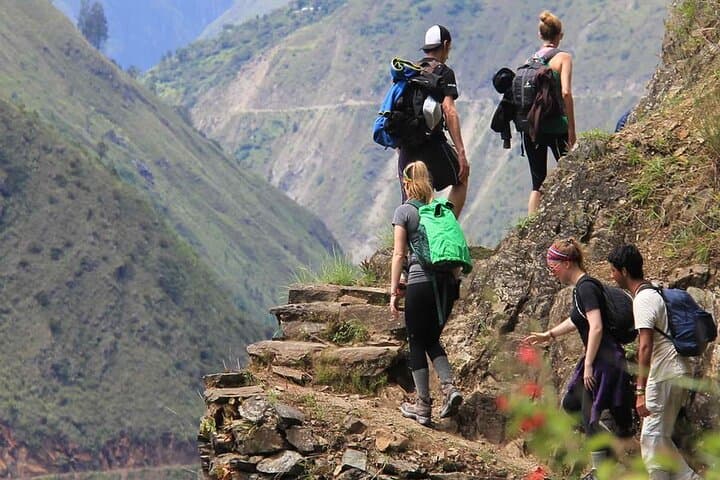
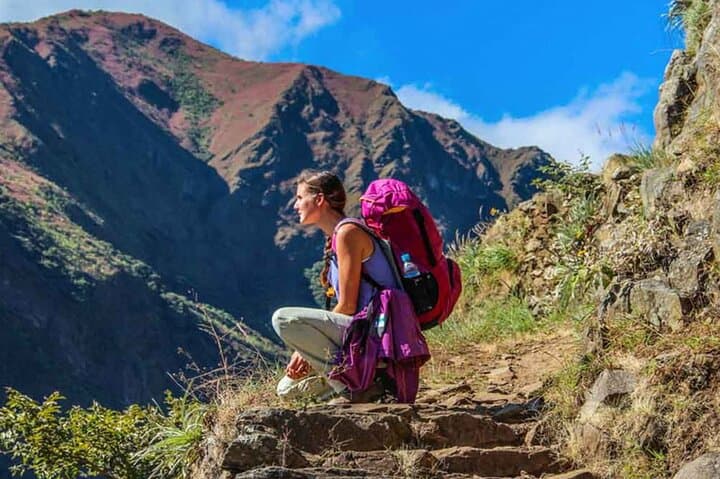
Morning mist parts over the Urubamba Valley as trekkers step from the train platform at kilometer 104 and onto stone causeways laid down centuries ago. The first day of the 2-day Inca Trail feeds the senses: narrow terraces climb through cloud forest, birds call from moss-draped trees, and the trail alternates between carved stone stairways and packed earth that tests ankles and focus.
Verified experiences and guided adventures in the surrounding area.
Operated by Huaynapicchu · Aguas Calientes, Cusco Region
Morning mist parts over the Urubamba Valley as trekkers step from the train platform at kilometer 104 and onto stone causeways laid down centuries ago. The first day of the 2-day Inca Trail feeds the senses: narrow terraces climb through cloud forest, birds call from moss-draped trees, and the trail alternates between carved stone stairways and packed earth that tests ankles and focus.
This route threads together Inca sites—Wiñaywayna’s agricultural stonework, the ceremonial gates of Intipunku, and viewpoints that reveal the geometry of the citadel below. Geologically the path runs along the Vilcabamba Batholith’s eastern escarpments, where steep granite walls and deep river valleys create the abrupt rise that makes the approach dramatic.
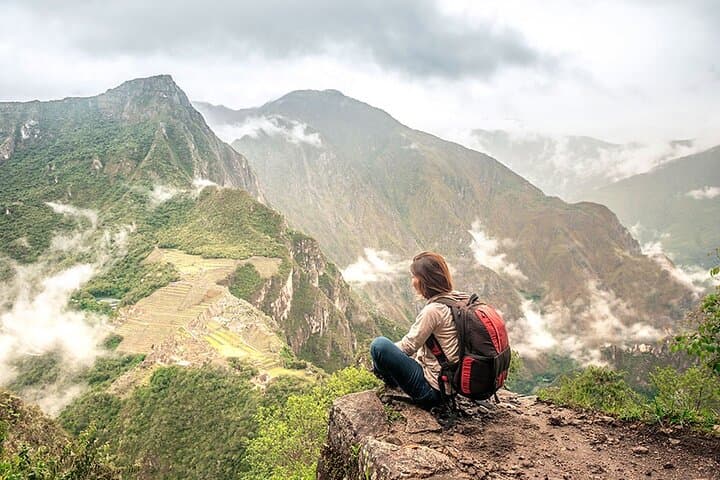
Culturally the Inca Trail is a route of movement and ritual; the short trek condenses that history into two days while giving visitors a chance to summit Huayna Picchu (2,693 m) for a commanding perspective over Machu Picchu’s terraces and plazas.
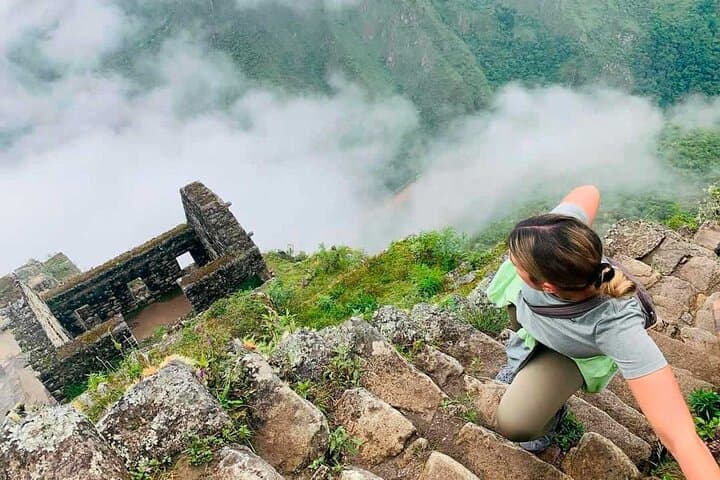
Practical guidance: plan for altitude (Cusco is 3,400 m), bring waterproof layers and sturdy boots, and expect steep switchbacks and stone steps—some sections are exposed and require careful footing. The itinerary typically includes a late-afternoon arrival in Aguas Calientes, a dawn bus to the Sanctuary, a guided tour of the citadel, and the Huayna Picchu ascent before returning by train to Ollantaytambo and bus to Cusco.
Permits are limited; book well in advance. Hydrate, pace uphill sections, and allow time at the top to photograph the terraces—sunlight and cloud move fast in this mountain climate.
moderate.
2 days.
Suitable for hikers with moderate fitness who can handle sustained uphill sections, stone steps, and altitude.
It’s moderate—shorter than the 4-day route but still includes long uphill sections and many stone steps; good cardiovascular fitness and acclimatization are important.
Yes—permits include guided access and are required for the Inca Trail and Huayna Picchu; they sell out, so book well in advance.
Huayna Picchu involves narrow paths and steep sections; fit beginners who are steady on their feet can do it, but those with vertigo should avoid the summit.
The dry season (May–September) offers the most stable conditions and clearer views, though June–August are busiest and require earlier booking.
The Inca Trail was an imperial route linking sacred sites; its staircases and terraces were engineered to manage steep Andean slopes and ritual movement toward Machu Picchu.
Visitor numbers are managed via permits to limit erosion and cultural impact; stay on marked paths, carry out waste, and follow guide instructions to protect fragile cloud-forest habitats.
Huaynapicchu operates guided outdoor trips and adventures with an emphasis on safety, stewardship, and memorable experiences.
Morning mist parts over the Urubamba Valley as trekkers step from the train platform at kilometer 104 and onto stone causeways laid down centuries ago. The first day of the 2-day Inca Trail feeds the senses: narrow terraces climb through cloud forest, birds call from moss-draped trees, and the trail alternates between carved stone stairways and packed earth that tests ankles and focus.
Morning mist parts over the Urubamba Valley as trekkers step from the train platform at kilometer 104 and onto stone causeways laid down centuries ago. The first day of the 2-day Inca Trail feeds the senses: narrow terraces climb through cloud forest, birds call from moss-draped trees, and the trail alternates between carved stone stairways and packed earth that tests ankles and focus.
This route threads together Inca sites—Wiñaywayna’s agricultural stonework, the ceremonial gates of Intipunku, and viewpoints that reveal the geometry of the citadel below. Geologically the path runs along the Vilcabamba Batholith’s eastern escarpments, where steep granite walls and deep river valleys create the abrupt rise that makes the approach dramatic.
Culturally the Inca Trail is a route of movement and ritual; the short trek condenses that history into two days while giving visitors a chance to summit Huayna Picchu (2,693 m) for a commanding perspective over Machu Picchu’s terraces and plazas.
Practical guidance: plan for altitude (Cusco is 3,400 m), bring waterproof layers and sturdy boots, and expect steep switchbacks and stone steps—some sections are exposed and require careful footing. The itinerary typically includes a late-afternoon arrival in Aguas Calientes, a dawn bus to the Sanctuary, a guided tour of the citadel, and the Huayna Picchu ascent before returning by train to Ollantaytambo and bus to Cusco.
Permits are limited; book well in advance. Hydrate, pace uphill sections, and allow time at the top to photograph the terraces—sunlight and cloud move fast in this mountain climate.