THE ADVENTURE COLLECTIVE® · Independent discovery and booking for outdoor travel

A compact, two-day section of the Inca Trail that delivers the classic Machu Picchu approach—stone staircases, cloud-forest archaeology, and a sunrise reveal at the Sun Gate. Ideal for travelers short on time but looking for an authentic Andean trek.
A compact, two-day section of the Inca Trail that delivers the classic Machu Picchu approach—stone staircases, cloud-forest archaeology, and a sunrise reveal at the Sun Gate. Ideal for travelers short on time but looking for an authentic Andean trek.
Dawn breaks over Cusco as a small convoy hums toward Ollantaytambo; the Andes pull you forward, cool air tugging at packs and breath alike. By mid-morning the trail narrows, stone staircases carved by the Incas threading through cloud-damp forest. Water sings in gullies below, daring you to look down into the Urubamba valley while the mountains hold their long quiet.
Verified experiences and guided adventures in the surrounding area.
Operated by Machupicchu Nice · Aguas Calientes (Machu Picchu Pueblo), Cusco Region
Dawn breaks over Cusco as a small convoy hums toward Ollantaytambo; the Andes pull you forward, cool air tugging at packs and breath alike. By mid-morning the trail narrows, stone staircases carved by the Incas threading through cloud-damp forest. Water sings in gullies below, daring you to look down into the Urubamba valley while the mountains hold their long quiet.
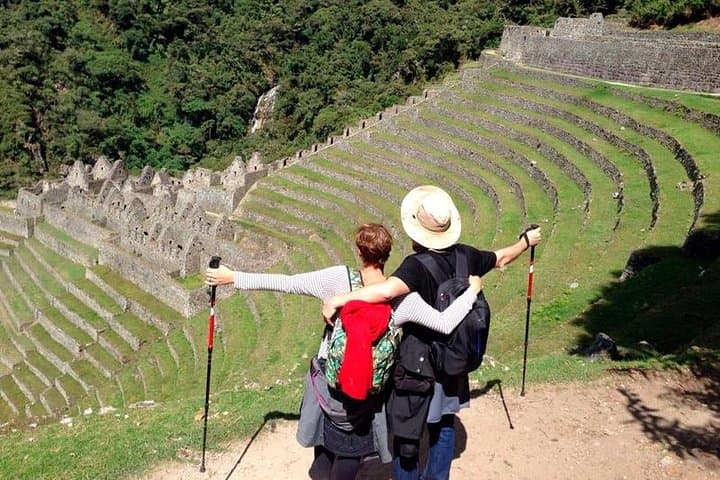
This condensed Inca Trail follows a short but iconic section of the larger route carved in the 15th century under Pachacuti. Geology here is folded volcanic rock and fast-draining soils that feed narrow terraces; the trail alternates between steep stonework and mossy switchbacks. Along the way the guide will point out Chachabamba—likely a ceremonial station—and Wiñayhuayna, an administrative complex whose terraces hug the slope like steps for the sky. Local Quechua culture is present in small altars and offerings to Pachamama (Mother Earth), and llama caravans grazing on the ridgelines are a reminder that these routes remain working landscapes.
Practically, expect two days of sustained hiking with steep ascents and descents, exposed viewpoints and intermittent rain. Altitude (Cusco ~3,400 m) is a real factor; acclimatize in the city before departure. Pack layered clothing, a waterproof shell, sturdy boots, water and snacks. Your second morning arrives at Inti Punku (Sun Gate) with the first full view of Machu Picchu—an earned reveal—and then a guided walk through the citadel. Respect site rules: stay on marked paths, carry out waste, and move deliberately through crowded sections. For a short window of time this trek gives a compact taste of Inca engineering, Andean ecosystems, and the slow pull of high mountain history.
moderate.
2 days.
Should be in good general fitness with ability to hike 6–8 hours with elevation changes; prior hiking experience helpful
Yes—entry to the Inca Trail and Machu Picchu is regulated; operators include the required permits and Machu Picchu entry in the tour.
The short Inca Trail is shorter than multi-day routes but still involves sustained climbs and uneven terrain—moderate fitness and acclimatization are recommended.
Guides monitor groups and will slow pace, provide rest, and if symptoms worsen arrange descent or medical attention; pre-acclimatization is the best prevention.
Yes—operators typically accommodate vegetarian and other dietary needs if provided in advance during booking.
The Inca Trail and Machu Picchu date to the 15th century when Inca architects engineered terraces, stairways and ceremonial sites across steep Andean slopes.
Visitor numbers and route regulations help protect fragile ruins and cloud-forest; stay on trails, carry out waste, and avoid single-use plastics.
Machupicchu Nice operates guided outdoor trips and adventures with an emphasis on safety, stewardship, and memorable experiences.
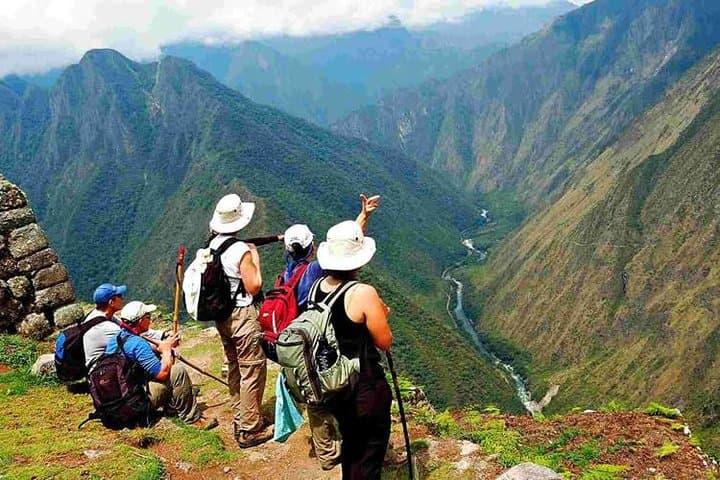
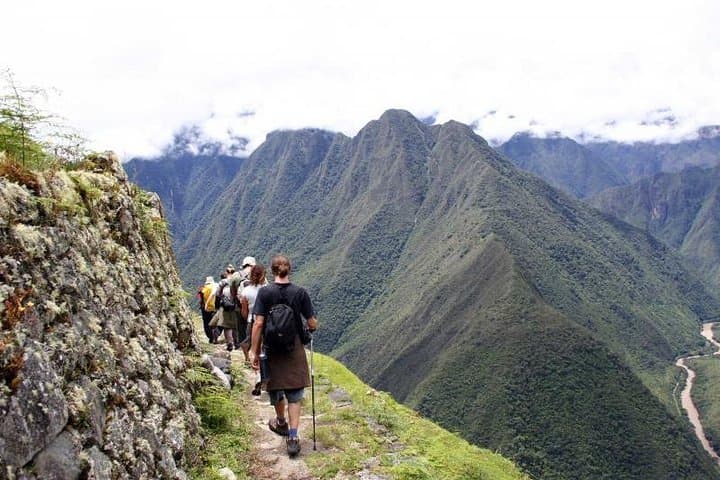
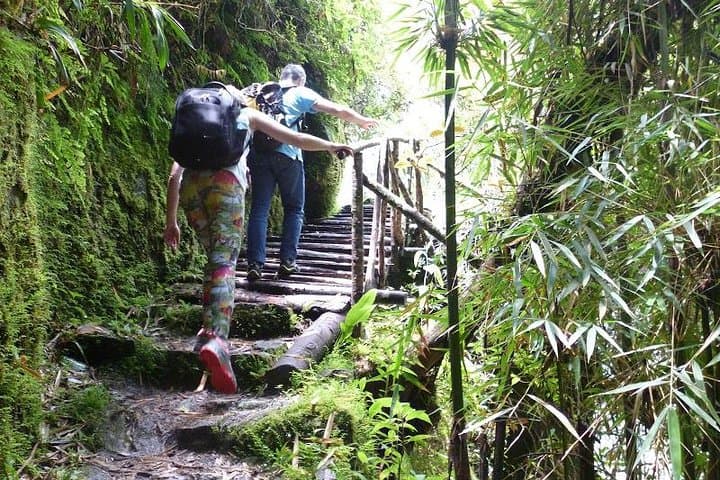
Dawn breaks over Cusco as a small convoy hums toward Ollantaytambo; the Andes pull you forward, cool air tugging at packs and breath alike. By mid-morning the trail narrows, stone staircases carved by the Incas threading through cloud-damp forest. Water sings in gullies below, daring you to look down into the Urubamba valley while the mountains hold their long quiet.
Dawn breaks over Cusco as a small convoy hums toward Ollantaytambo; the Andes pull you forward, cool air tugging at packs and breath alike. By mid-morning the trail narrows, stone staircases carved by the Incas threading through cloud-damp forest. Water sings in gullies below, daring you to look down into the Urubamba valley while the mountains hold their long quiet.
This condensed Inca Trail follows a short but iconic section of the larger route carved in the 15th century under Pachacuti. Geology here is folded volcanic rock and fast-draining soils that feed narrow terraces; the trail alternates between steep stonework and mossy switchbacks. Along the way the guide will point out Chachabamba—likely a ceremonial station—and Wiñayhuayna, an administrative complex whose terraces hug the slope like steps for the sky. Local Quechua culture is present in small altars and offerings to Pachamama (Mother Earth), and llama caravans grazing on the ridgelines are a reminder that these routes remain working landscapes.
Practically, expect two days of sustained hiking with steep ascents and descents, exposed viewpoints and intermittent rain. Altitude (Cusco ~3,400 m) is a real factor; acclimatize in the city before departure. Pack layered clothing, a waterproof shell, sturdy boots, water and snacks. Your second morning arrives at Inti Punku (Sun Gate) with the first full view of Machu Picchu—an earned reveal—and then a guided walk through the citadel. Respect site rules: stay on marked paths, carry out waste, and move deliberately through crowded sections. For a short window of time this trek gives a compact taste of Inca engineering, Andean ecosystems, and the slow pull of high mountain history.