THE ADVENTURE COLLECTIVE® · Independent discovery and booking for outdoor travel

A compact, two-day version of the classic Inca Trail that starts at KM‑104, visits Wiñay Wayna and the Sun Gate, and delivers you to Machu Picchu’s iconic viewpoints. Ideal for travelers who want the Trail’s highlights on a tight schedule — but book months ahead for permits.
A compact, two-day version of the classic Inca Trail that starts at KM‑104, visits Wiñay Wayna and the Sun Gate, and delivers you to Machu Picchu’s iconic viewpoints. Ideal for travelers who want the Trail’s highlights on a tight schedule — but book months ahead for permits.
Dawn in the Sacred Valley stills the air as your minibus slips away from Cusco and the train rattles toward KM-104. You step onto the trail with a guide, the path already worn by centuries of feet; stone steps rise and fall like a written line through cloud forest. Birdsong and the occasional rumble of a distant river keep pace with each footfall, and by late afternoon you reach Wiñay Wayna — terraces stacked into the mountain as if someone had carved stairs for the sky.
Verified experiences and guided adventures in the surrounding area.
Operated by Machupicchu andes tours · Aguas Calientes (Machu Picchu Pueblo), Cusco Region
Dawn in the Sacred Valley stills the air as your minibus slips away from Cusco and the train rattles toward KM-104. You step onto the trail with a guide, the path already worn by centuries of feet; stone steps rise and fall like a written line through cloud forest. Birdsong and the occasional rumble of a distant river keep pace with each footfall, and by late afternoon you reach Wiñay Wayna — terraces stacked into the mountain as if someone had carved stairs for the sky.
The Inca Trail threads Inca engineering, ritual routes and strategic outposts. Built as part of a vast pre-Columbian road system, the trail links agricultural terraces, temples and lookout points that guarded communication between highland communities.
Geology here is steep and green: volcanic and metamorphic slopes hold thin soils, while cloud forest clings to ridgelines and feeds cascades into the Urubamba. Local Quechua culture remains present in villages and markets along the valley, and the route’s permit system reflects modern conservation priorities.
Practically: the two-day itinerary starts at KM-104, moves through Chachabamba and Wiñay Wayna, reaches Inti Punku (Sun Gate) at about 2,720 m and descends to Machu Picchu for an afternoon visit, with an overnight in Aguas Calientes. Expect uneven stone steps, brief steep climbs and about 6–8 hours of walking the first day; the second day is a guided visit and return travel.
Bring layered clothing for sun, rain and cool nights, pace for altitude, and book permits early — tickets sell out. The trail rewards focus: each turn reveals engineered terraces or a sudden opening onto the citadel, and Machu Picchu greets you as both endpoint and proof of the walk’s long human story.
moderate.
2 days.
Moderate fitness with ability to handle 6–8 hours of hiking on uneven terrain and stair-like stone paths; basic cardiovascular conditioning recommended.
Book at least 6–8 weeks ahead in high season (May–September); the operator here requests 2 months to secure permits and train seats.
It’s designed for travelers with moderate fitness; you don’t need technical skills but should be comfortable with steep stone steps and altitude changes.
This package does not include Huayna Picchu; if you want additional climbs they must be booked separately and depend on availability and timing.
Acclimatize in Cusco before the trek, stay hydrated, ascend slowly and notify your guide; operators carry basic first aid and oxygen for emergencies.
The Inca Trail formed part of the Qhapaq Ñan network — a communication and pilgrimage system connecting administrative and ceremonial centers across the empire.
Peru limits daily trail permits and enforces strict rules (no camping on the classic trail, carry-out waste) to protect fragile cloud-forest and archaeological sites.
Machupicchu andes tours operates guided outdoor trips and adventures with an emphasis on safety, stewardship, and memorable experiences.
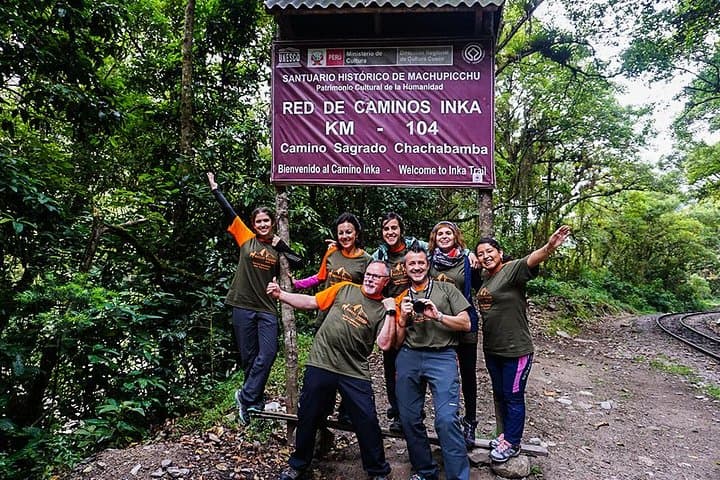
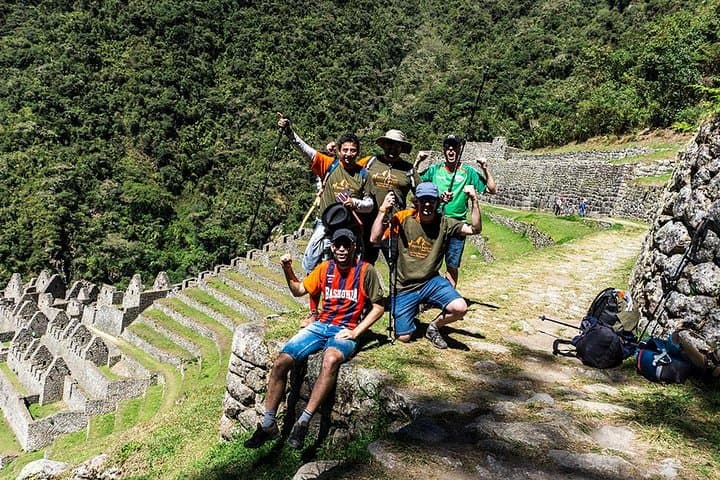
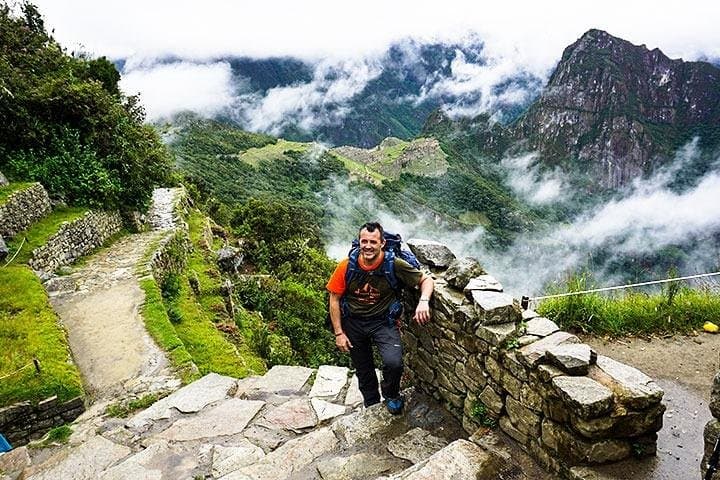
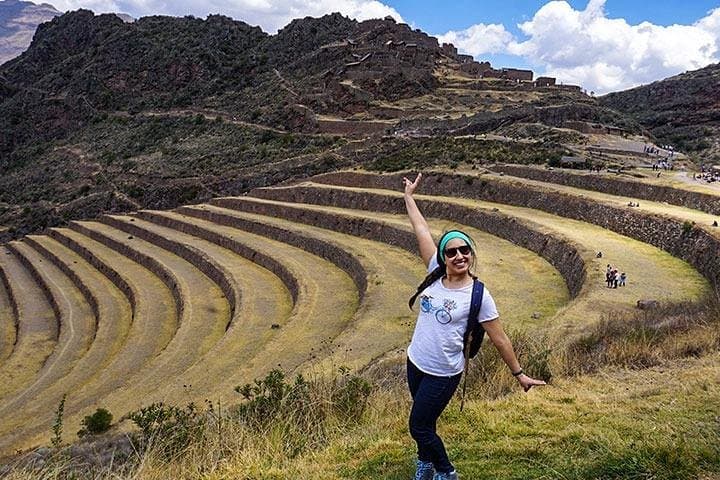
Dawn in the Sacred Valley stills the air as your minibus slips away from Cusco and the train rattles toward KM-104. You step onto the trail with a guide, the path already worn by centuries of feet; stone steps rise and fall like a written line through cloud forest. Birdsong and the occasional rumble of a distant river keep pace with each footfall, and by late afternoon you reach Wiñay Wayna — terraces stacked into the mountain as if someone had carved stairs for the sky.
Dawn in the Sacred Valley stills the air as your minibus slips away from Cusco and the train rattles toward KM-104. You step onto the trail with a guide, the path already worn by centuries of feet; stone steps rise and fall like a written line through cloud forest. Birdsong and the occasional rumble of a distant river keep pace with each footfall, and by late afternoon you reach Wiñay Wayna — terraces stacked into the mountain as if someone had carved stairs for the sky.
The Inca Trail threads Inca engineering, ritual routes and strategic outposts. Built as part of a vast pre-Columbian road system, the trail links agricultural terraces, temples and lookout points that guarded communication between highland communities.
Geology here is steep and green: volcanic and metamorphic slopes hold thin soils, while cloud forest clings to ridgelines and feeds cascades into the Urubamba. Local Quechua culture remains present in villages and markets along the valley, and the route’s permit system reflects modern conservation priorities.
Practically: the two-day itinerary starts at KM-104, moves through Chachabamba and Wiñay Wayna, reaches Inti Punku (Sun Gate) at about 2,720 m and descends to Machu Picchu for an afternoon visit, with an overnight in Aguas Calientes. Expect uneven stone steps, brief steep climbs and about 6–8 hours of walking the first day; the second day is a guided visit and return travel.
Bring layered clothing for sun, rain and cool nights, pace for altitude, and book permits early — tickets sell out. The trail rewards focus: each turn reveals engineered terraces or a sudden opening onto the citadel, and Machu Picchu greets you as both endpoint and proof of the walk’s long human story.