THE ADVENTURE COLLECTIVE® · Independent discovery and booking for outdoor travel

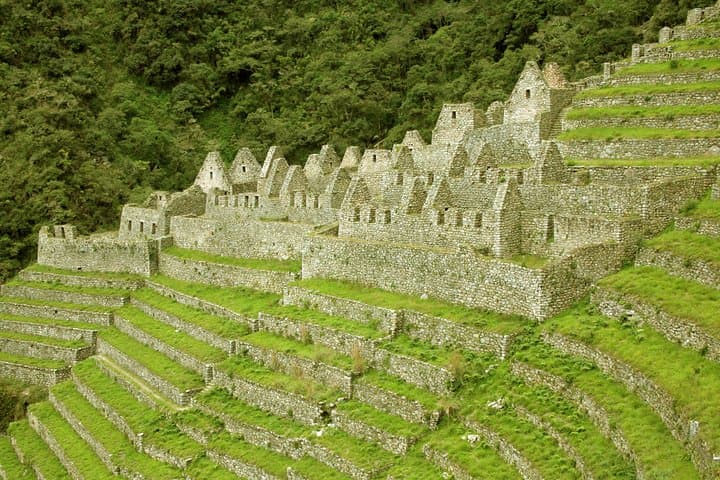
This overnight Inca Trail from Km 104 delivers a compact, two-day hike that finishes at Machu Picchu. Expect cloud-forest walks, Inca stonework like Wiñay Wayna, and a sunrise arrival at the Sun Gate.
This overnight Inca Trail from Km 104 delivers a compact, two-day hike that finishes at Machu Picchu. Expect cloud-forest walks, Inca stonework like Wiñay Wayna, and a sunrise arrival at the Sun Gate.
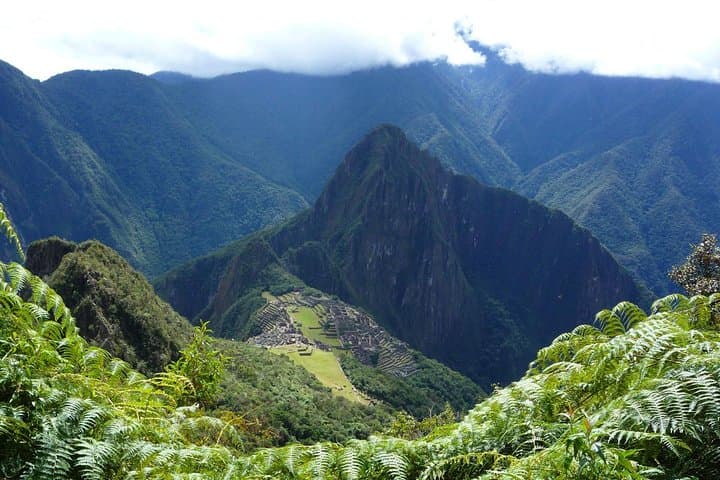
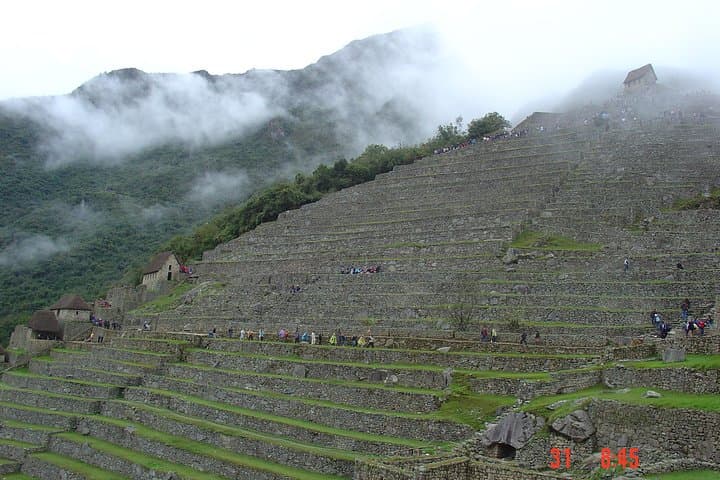
The trail opens with mist lifting off a valley as the first train slows at Km 104; you step out and the Andes rearrange themselves into staircases of stone and cloud. On day one the route threads agricultural terraces, stone stairways and orchid-scented forest as you climb toward Intipunku, the Sun Gate, where Machu Picchu first appears like a secret told aloud.
Verified experiences and guided adventures in the surrounding area.
Operated by Aventuras EcotrekPeru Tour Operador · Aguas Calientes, Cusco
The trail opens with mist lifting off a valley as the first train slows at Km 104; you step out and the Andes rearrange themselves into staircases of stone and cloud. On day one the route threads agricultural terraces, stone stairways and orchid-scented forest as you climb toward Intipunku, the Sun Gate, where Machu Picchu first appears like a secret told aloud.
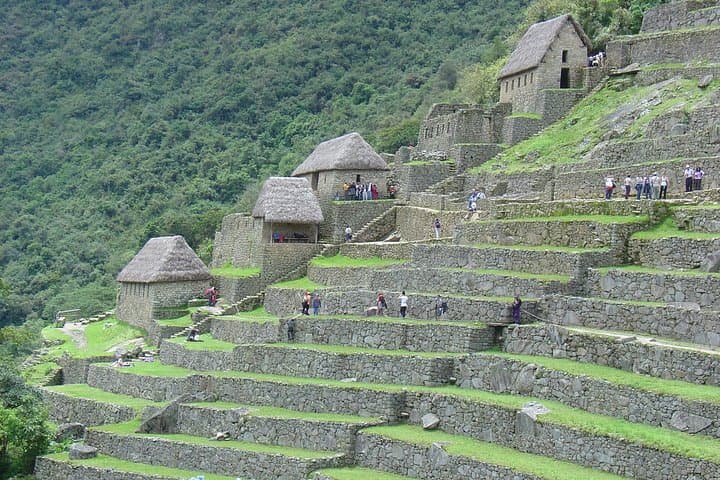
This short Inca Trail follows original footpaths built by the Incas to link mountain communities with their sacred citadel. Geologically the route traces steep river-cut valleys and sandstone ridges under a belt of cloud forest; culturally you pass sites such as Chachabamba and Wiñay Wayna—outposts of agriculture and ritual that show how the Incas engineered slopes into living fields.
Expect about 4–5 hours of hiking the first day, roughly 10–12 km with a sustained ascent of several hundred meters to Intipunku; Machu Picchu sits at about 2,430 m (7,970 ft). The second day is a guided tour of the citadel with transport and train connections back to Cusco. Weather can flip quickly—sunlight will push through clouds one minute and the trail will be humid the next, so layers and a waterproof shell are essential.
Practical edge: acclimatize in Cusco for 24–48 hours, book permits well in advance, and plan for uneven stone steps. Hydrate, take steady short steps on descents, and save camera battery for the Sun Gate moment. The route rewards patience with sweeping views and an up-close lesson in Inca engineering.
moderate.
2 days (approx. 48 hours).
Suitable for hikers with a moderate level of fitness who can handle 4–5 hours of hiking with uneven stone steps and some sustained ascent.
Yes—permits are limited and required for the Inca Trail; book well in advance through an authorized operator.
The 2-day route is shorter but still demanding due to continuous stone steps and altitude; it’s more compressed but less overnight camping.
Machu Picchu is around 2,430 m (7,970 ft); you’ll start lower at Km 104 and some approaches involve several hundred meters of ascent.
Not recommended for pregnant travelers or those with significant spinal or cardiovascular issues; families with fit children may manage but check health considerations first.
The Inca Trail network linked settlements and sacred sites to Machu Picchu; many sections date to pre-Columbian engineering that managed steep slopes for agriculture and pilgrimage.
Visitor numbers are regulated to limit erosion and cultural impact; stick to marked paths, carry out waste and follow guide instructions to help protect fragile cloud-forest ecosystems.
Aventuras EcotrekPeru Tour Operador operates guided outdoor trips and adventures with an emphasis on safety, stewardship, and memorable experiences.
The trail opens with mist lifting off a valley as the first train slows at Km 104; you step out and the Andes rearrange themselves into staircases of stone and cloud. On day one the route threads agricultural terraces, stone stairways and orchid-scented forest as you climb toward Intipunku, the Sun Gate, where Machu Picchu first appears like a secret told aloud.
The trail opens with mist lifting off a valley as the first train slows at Km 104; you step out and the Andes rearrange themselves into staircases of stone and cloud. On day one the route threads agricultural terraces, stone stairways and orchid-scented forest as you climb toward Intipunku, the Sun Gate, where Machu Picchu first appears like a secret told aloud.
This short Inca Trail follows original footpaths built by the Incas to link mountain communities with their sacred citadel. Geologically the route traces steep river-cut valleys and sandstone ridges under a belt of cloud forest; culturally you pass sites such as Chachabamba and Wiñay Wayna—outposts of agriculture and ritual that show how the Incas engineered slopes into living fields.
Expect about 4–5 hours of hiking the first day, roughly 10–12 km with a sustained ascent of several hundred meters to Intipunku; Machu Picchu sits at about 2,430 m (7,970 ft). The second day is a guided tour of the citadel with transport and train connections back to Cusco. Weather can flip quickly—sunlight will push through clouds one minute and the trail will be humid the next, so layers and a waterproof shell are essential.
Practical edge: acclimatize in Cusco for 24–48 hours, book permits well in advance, and plan for uneven stone steps. Hydrate, take steady short steps on descents, and save camera battery for the Sun Gate moment. The route rewards patience with sweeping views and an up-close lesson in Inca engineering.