THE ADVENTURE COLLECTIVE® · Independent discovery and booking for outdoor travel

A compact two-day introduction to Iguassu: private airport transfer, the panoramic boardwalks of the Brazilian side of Iguaçu Falls, and a visit to Itaipu Dam and Foz do Iguaçu’s cultural sights. Ideal for travelers who want maximum impact in minimal time.
A compact two-day introduction to Iguassu: private airport transfer, the panoramic boardwalks of the Brazilian side of Iguaçu Falls, and a visit to Itaipu Dam and Foz do Iguaçu’s cultural sights. Ideal for travelers who want maximum impact in minimal time.
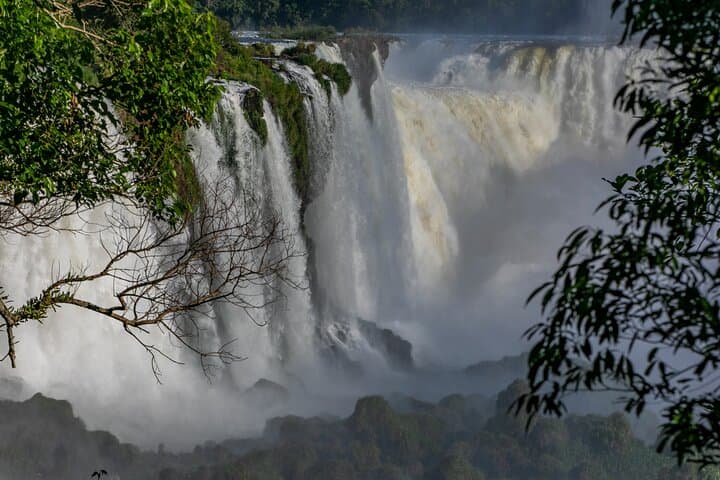
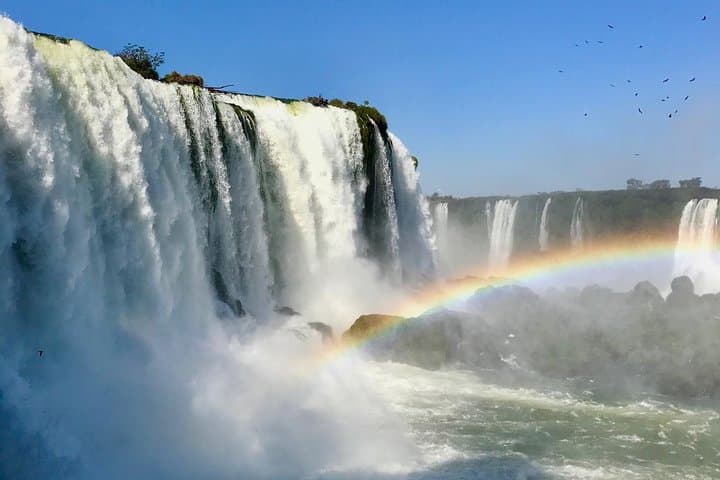
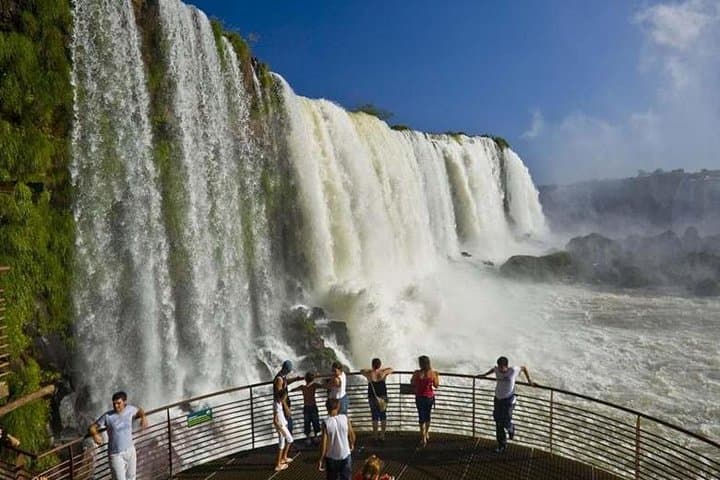
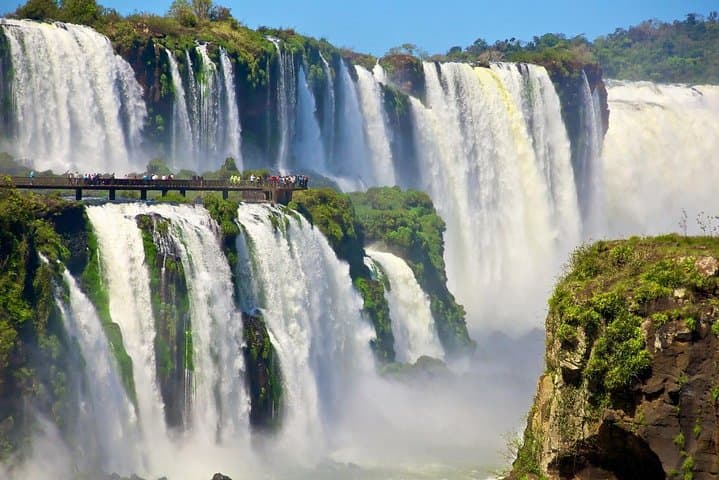
You arrive with the spray in the distance — a low thunder that grows into a persistent roar — and step into a corridor of mist on the Brazilian side of Iguaçu. Walkways thread the forest toward viewing platforms that shove the falls into the foreground: wide curtains, churning pits and a constant plume that pushes sunlight into rainbows.
Verified experiences and guided adventures in the surrounding area.
Operated by Neumann Operadora de Receptivo · Foz do Iguaçu, Paraná
You arrive with the spray in the distance — a low thunder that grows into a persistent roar — and step into a corridor of mist on the Brazilian side of Iguaçu. Walkways thread the forest toward viewing platforms that shove the falls into the foreground: wide curtains, churning pits and a constant plume that pushes sunlight into rainbows.
The falls sit on the border between Brazil and Argentina where the Iguassu River slices through basalt formed by ancient volcanic flows; the result is 275 named drops that dump into a fractured gorge. The surrounding Atlantic Forest has long been home to Guarani communities and later regional trade routes; today the site is a protected national park and UNESCO World Heritage Area with a modern visitor network.
Day two shifts scale — from waterfalls to engineered power — at Itaipu Dam, once the planet’s largest hydroelectric producer. The tour threads urban Foz do Iguaçu, showing the Triple Frontier where Brazil, Paraguay and Argentina meet, and touches local faith sites that reflect the city’s immigrant mix.
Practical guidance: plan for heavy spray and slippery surfaces — bring waterproof layers and non-slip shoes. Expect easy walking on boardwalks but steep viewpoints; the tour includes private transfers and hotel pick-up, making logistics straightforward for short stays. Morning light is best for photos at the falls; afternoons suit the dam visit. Hydrate, keep electronics dry, and allow time to absorb the scale — nature and engineering both demand attention here.
easy.
2 days.
Suitable for general travelers in average fitness; involves walking on paved boardwalks and some stairs.
This tour includes visits and guided access but park entrance fees may be charged separately depending on booking details; confirm at booking.
Typical airport transfers in Foz do Iguaçu range 20–60 minutes depending on hotel location; the operator schedules hotel pick-up and drop-off times.
The itinerary lists a panoramic visit to Itaipu with a guide; some internal tours of the dam require separate tickets—check with the operator for full access options.
Yes — activity is rated easy with paved paths and short walks; however those with serious mobility, heart, or back issues should consult the operator due to stairs and viewpoints.
The falls have been inhabited by Guarani people for centuries and were later mapped by European explorers; the area was protected as a national park in the 20th century.
Iguaçu National Park focuses on preserving Atlantic Forest corridors and controlling invasive species; visitors are encouraged to stick to boardwalks and minimize plastic waste.
Neumann Operadora de Receptivo operates guided outdoor trips and adventures with an emphasis on safety, stewardship, and memorable experiences.
You arrive with the spray in the distance — a low thunder that grows into a persistent roar — and step into a corridor of mist on the Brazilian side of Iguaçu. Walkways thread the forest toward viewing platforms that shove the falls into the foreground: wide curtains, churning pits and a constant plume that pushes sunlight into rainbows.
You arrive with the spray in the distance — a low thunder that grows into a persistent roar — and step into a corridor of mist on the Brazilian side of Iguaçu. Walkways thread the forest toward viewing platforms that shove the falls into the foreground: wide curtains, churning pits and a constant plume that pushes sunlight into rainbows.
The falls sit on the border between Brazil and Argentina where the Iguassu River slices through basalt formed by ancient volcanic flows; the result is 275 named drops that dump into a fractured gorge. The surrounding Atlantic Forest has long been home to Guarani communities and later regional trade routes; today the site is a protected national park and UNESCO World Heritage Area with a modern visitor network.
Day two shifts scale — from waterfalls to engineered power — at Itaipu Dam, once the planet’s largest hydroelectric producer. The tour threads urban Foz do Iguaçu, showing the Triple Frontier where Brazil, Paraguay and Argentina meet, and touches local faith sites that reflect the city’s immigrant mix.
Practical guidance: plan for heavy spray and slippery surfaces — bring waterproof layers and non-slip shoes. Expect easy walking on boardwalks but steep viewpoints; the tour includes private transfers and hotel pick-up, making logistics straightforward for short stays. Morning light is best for photos at the falls; afternoons suit the dam visit. Hydrate, keep electronics dry, and allow time to absorb the scale — nature and engineering both demand attention here.