THE ADVENTURE COLLECTIVE® · Independent discovery and booking for outdoor travel

In 48 hours you’ll chase the Northern Lights, walk between tectonic plates on Þingvellir, watch Strokkur erupt, and rope into a glacier hike on the South Coast. This two-day circuit condenses Iceland’s geological highlights into an active, guide-led experience.
In 48 hours you’ll chase the Northern Lights, walk between tectonic plates on Þingvellir, watch Strokkur erupt, and rope into a glacier hike on the South Coast. This two-day circuit condenses Iceland’s geological highlights into an active, guide-led experience.
The night opens like an experiment in green light. You step out of the van on a black strip of shoulder, breath visible in the cold, and the Aurora Borealis begins to braid itself across the sky—a moveable ceiling that turns the ordinary farmsteads and lava fields into silhouettes for a private show.
Verified experiences and guided adventures in the surrounding area.
Operated by Otto The Viking · Reykjavík, Capital Region
The night opens like an experiment in green light. You step out of the van on a black strip of shoulder, breath visible in the cold, and the Aurora Borealis begins to braid itself across the sky—a moveable ceiling that turns the ordinary farmsteads and lava fields into silhouettes for a private show.
By morning the landscape changes pace: tectonics and steam replace celestial theater. Day one follows the Golden Circle route, where Þingvellir’s rock faces separate as the North American and Eurasian plates slowly pry apart. Walk the Almannagjá gorge and you can feel the earth’s slow motion underfoot; the park is also where Iceland’s Alþing (parliament) met from 930 AD, a blunt reminder that this land is both a geological classroom and the cradle of a nation’s political life.
A short drive brings you to Geysir’s geothermal theater—bubbling pots, silica-stained ground, and Strokkur’s dependable eruptions. Then Gullfoss, where meltwater dives in two thunderous tiers into a canyon that seems to swallow the horizon. These stops are compact but dense with natural history: volcanic plumbing, thermal chemistry, and ice-age runoff that shaped the valleys you pass through.
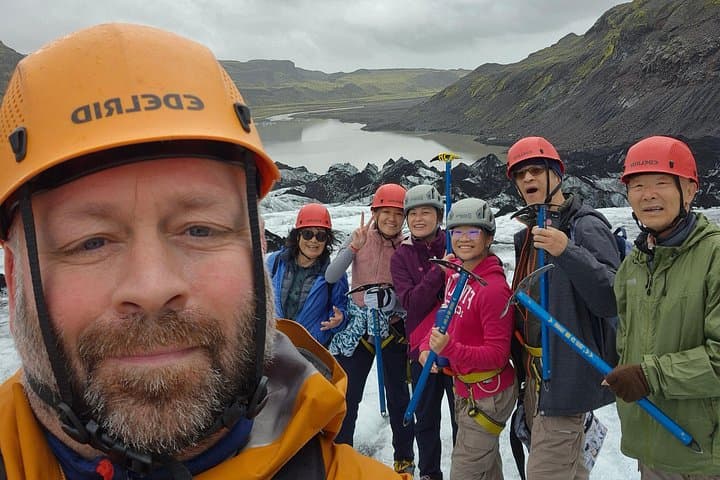
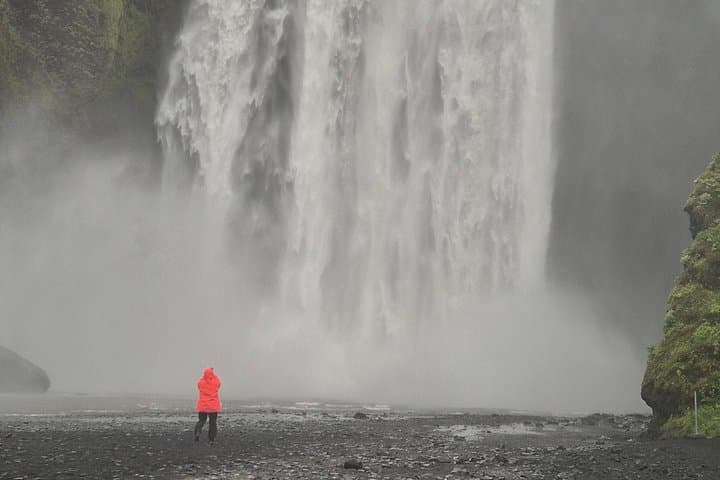
Day two turns south toward waterfalls and the ice fields. Seljalandsfoss and the cave-hidden Gljúfrabúi offer wet, close-up encounters with falling water; Skógafoss invites the climb to a 60 m crest for sweeping views. The afternoon is the glacier hike—guided, three hours on hardened blue ice, crampons biting into sastrugi and crevasse edges. Expect roughly 2–4 km of walking with modest elevation gain (100–200 m) as you traverse ridges and ice scars shaped by centuries of freeze and flow.
Practical edge: the tour is long—day one runs about 8 hours and day two about 10 hours including drives and stops—so plan for layered clothing, waterproof footwear, and a pocket for cameras and extra batteries (cold kills them fast). Guides supply safety gear for the glacier and brief on crampon and ice-axe techniques before you step onto the ice. Weather dictates everything; aurora sightings are never guaranteed, and glacier conditions determine route choices.
This itinerary tucks in geology, history, and high-adrenaline walking into two concentrated days. It’s ideal for travelers who want a compact survey of Iceland’s elemental forces: fire beneath the ground, water in motion, and ice that still holds the memory of past climates. Go ready to move, watch the sky, and adapt—this is an expedition paced to the weather and the land.
moderate.
2 days (Day 1: ~8 hours; Day 2: ~10 hours).
Good everyday fitness with ability to handle several hours of walking, some uneven terrain, and short climbs; glacier hiking requires stamina for 2–3 hours on ice.
No—guides instruct on crampon and ice-axe use, and routes are chosen for safety; a basic level of fitness and sure-footedness is required.
Auroras are most visible from late September to mid-April on clear, dark nights; tours run year-round but sightings depend on solar activity and weather.
Lunch and restroom stops are included during the day's schedule, but confirm specifics with the operator for any dietary needs.
Often yes but conditions can be icy—guides will advise, and crampons or traction may be required for safe access.
The guided glacier section is roughly 3 hours on ice, covering 2–4 km with modest elevation changes depending on route and conditions.
The tour may be canceled in unsafe weather; full refunds are typically offered if canceled at least 24 hours before departure or if weather forces a cancellation.
Þingvellir was the site of Iceland’s Alþing from 930 AD, one of the world’s oldest parliaments and a place where law and landscape intersect.
Glaciers are retreating; stay on marked paths, heed guide instructions, and avoid removing rocks or organic material to minimize erosion and disturbance.
Otto The Viking operates guided outdoor trips and adventures with an emphasis on safety, stewardship, and memorable experiences.
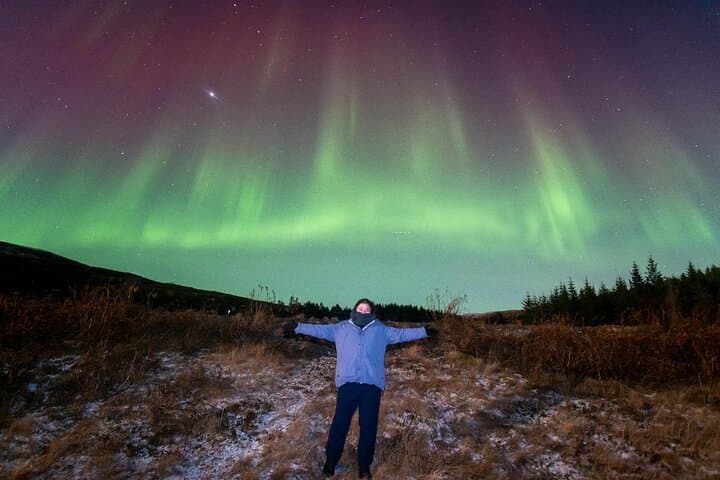
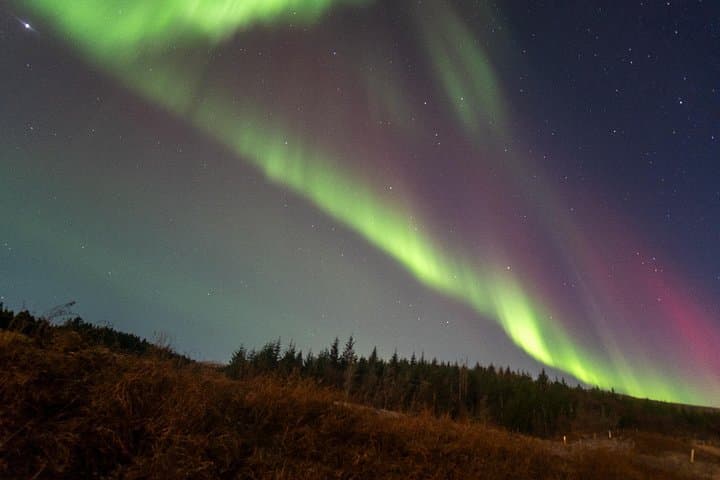
The night opens like an experiment in green light. You step out of the van on a black strip of shoulder, breath visible in the cold, and the Aurora Borealis begins to braid itself across the sky—a moveable ceiling that turns the ordinary farmsteads and lava fields into silhouettes for a private show.
The night opens like an experiment in green light. You step out of the van on a black strip of shoulder, breath visible in the cold, and the Aurora Borealis begins to braid itself across the sky—a moveable ceiling that turns the ordinary farmsteads and lava fields into silhouettes for a private show.
By morning the landscape changes pace: tectonics and steam replace celestial theater. Day one follows the Golden Circle route, where Þingvellir’s rock faces separate as the North American and Eurasian plates slowly pry apart. Walk the Almannagjá gorge and you can feel the earth’s slow motion underfoot; the park is also where Iceland’s Alþing (parliament) met from 930 AD, a blunt reminder that this land is both a geological classroom and the cradle of a nation’s political life.
A short drive brings you to Geysir’s geothermal theater—bubbling pots, silica-stained ground, and Strokkur’s dependable eruptions. Then Gullfoss, where meltwater dives in two thunderous tiers into a canyon that seems to swallow the horizon. These stops are compact but dense with natural history: volcanic plumbing, thermal chemistry, and ice-age runoff that shaped the valleys you pass through.
Day two turns south toward waterfalls and the ice fields. Seljalandsfoss and the cave-hidden Gljúfrabúi offer wet, close-up encounters with falling water; Skógafoss invites the climb to a 60 m crest for sweeping views. The afternoon is the glacier hike—guided, three hours on hardened blue ice, crampons biting into sastrugi and crevasse edges. Expect roughly 2–4 km of walking with modest elevation gain (100–200 m) as you traverse ridges and ice scars shaped by centuries of freeze and flow.
Practical edge: the tour is long—day one runs about 8 hours and day two about 10 hours including drives and stops—so plan for layered clothing, waterproof footwear, and a pocket for cameras and extra batteries (cold kills them fast). Guides supply safety gear for the glacier and brief on crampon and ice-axe techniques before you step onto the ice. Weather dictates everything; aurora sightings are never guaranteed, and glacier conditions determine route choices.
This itinerary tucks in geology, history, and high-adrenaline walking into two concentrated days. It’s ideal for travelers who want a compact survey of Iceland’s elemental forces: fire beneath the ground, water in motion, and ice that still holds the memory of past climates. Go ready to move, watch the sky, and adapt—this is an expedition paced to the weather and the land.