
2-Day Ham Route in Extremadura: Dehesa, Jerez de los Caballeros & Curing Houses
Explore the Dehesa and Jerez de los Caballeros on a two-day culinary-heritage tour that pairs oak-strewn pastures with traditional ham-curing cellars. Expect gentle walks, medieval streets, guided tastings and hands-on insights into Iberian ham production.
An Adventure In Jerez de los Caballeros.
Explore the Dehesa and Jerez de los Caballeros on a two-day culinary-heritage tour that pairs oak-strewn pastures with traditional ham-curing cellars. Expect gentle walks, medieval streets, guided tastings and hands-on insights into Iberian ham production.
Read the full experience
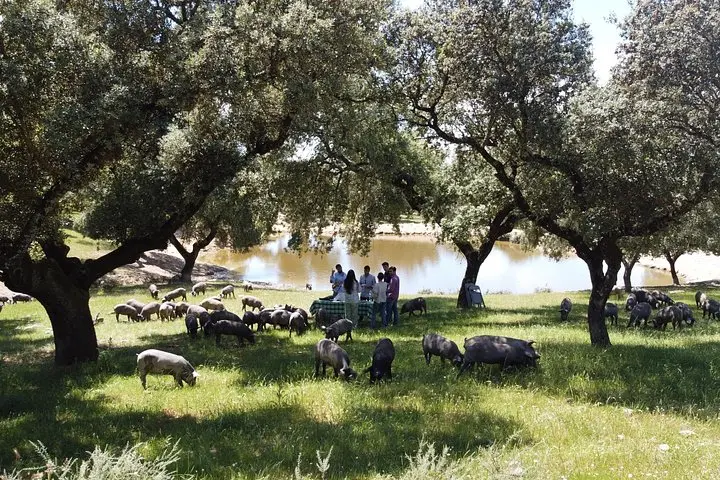
You step out beneath a scattering of holm and cork oaks as the morning light slides across the dehesa. Oak leaves rustle and the air carries a faint, saline sweetness from cellars where hams hang in long, silent rows—this is the origin of Iberian ham, lived and smelled rather than merely tasted.
You step out beneath a scattering of holm and cork oaks as the morning light slides across the dehesa. Oak leaves rustle and the air carries a faint, saline sweetness from cellars where hams hang in long, silent rows—this is the origin of Iberian ham, lived and smelled rather than merely tasted.
The dehesa is a human-shaped landscape: pasture, oak, and stone created over centuries to support livestock and cork harvest. Jerez de los Caballeros adds medieval weight—temple walls, Romanesque towers and plazas that map the town's Templar and Santiago Order past. Geologically, the area sits on ancient granitic outcrops and low rolling plains; drainage and clay content helped shape traditional drying-cellar methods that make Extremaduran ham distinctive.
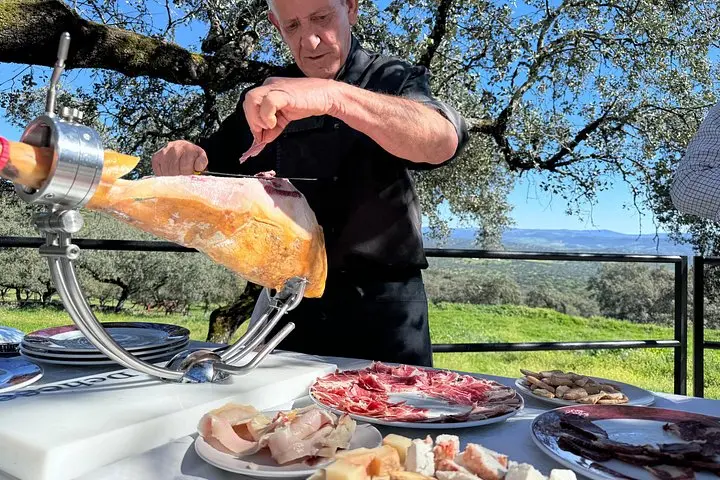
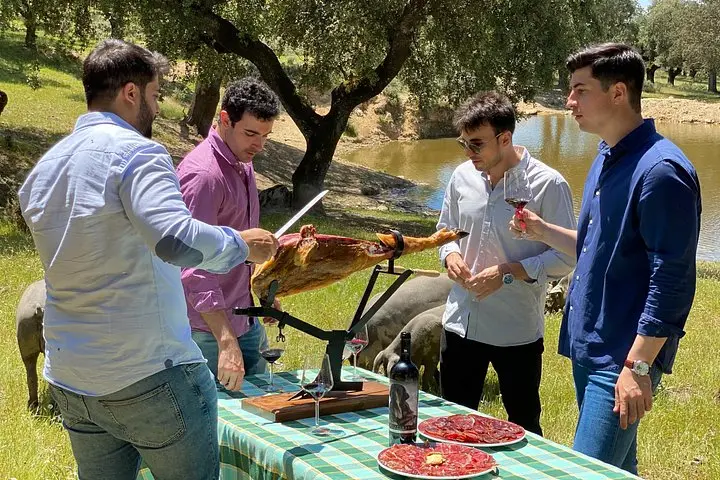
Culturally, the route pairs field and cellar. Days move from slow walks among acorn-strewn pasture to guided tours of drying rooms in Fregenal de la Sierra where curers judge hams by touch and scent. Meals are straightforward, regional: grilled vegetables, artisanal bread and the salted, nutty slices that finish the day.
Practical notes: the tour is light on strenuous activity but involves walking on uneven cobbles and farm tracks, and visits to cool, humid cellars. Private transport and two nights’ accommodation are included; bring layered clothing for temperature swings, sun protection for daytime pasture strolls, comfortable walking shoes and a small daypack for tastings. Respect farm biosecurity—avoid feeding animals and follow guide instructions in curing facilities. Early autumn and late spring offer the most stable weather and the best acorn-fed seasonality for tasting.
Frequently asked questions
Children can join, but activities include visits to curing houses and walking on uneven terrain; infants in strollers are OK on transport but check specific access for cellars.
Yes—two breakfasts and at least one lunch/dinner are provided, plus two nights’ accommodation in local hotels as described in the itinerary.
Yes—hosts typically accommodate diets if notified at booking via the special requirements field; confirm in advance to ensure local menus can be adapted.
Guides commonly speak Spanish and English on public tours, but language support can vary—confirm when you book if you require another language.
About This Experience
Agiday Experience operates guided outdoor trips and adventures with an emphasis on safety, stewardship, and memorable experiences.
Adventure tips
Recommended gear
- Comfortable walking shoes: Provides grip for cobbles and farm tracks during village tours and pasture walks.
- Sun protection (hat & sunscreen): Protects against strong midday sun on open dehesa pasture.
- Light waterproof or wind shell: Useful for cool mornings and unexpected showers, especially in spring and fall.
- Small daypack with refillable water bottle: Carries water, camera, and snacks during field visits and village stops.
Photos of the experience
Related adventures & guides
Read the full experience
You step out beneath a scattering of holm and cork oaks as the morning light slides across the dehesa. Oak leaves rustle and the air carries a faint, saline sweetness from cellars where hams hang in long, silent rows—this is the origin of Iberian ham, lived and smelled rather than merely tasted.
You step out beneath a scattering of holm and cork oaks as the morning light slides across the dehesa. Oak leaves rustle and the air carries a faint, saline sweetness from cellars where hams hang in long, silent rows—this is the origin of Iberian ham, lived and smelled rather than merely tasted.
The dehesa is a human-shaped landscape: pasture, oak, and stone created over centuries to support livestock and cork harvest. Jerez de los Caballeros adds medieval weight—temple walls, Romanesque towers and plazas that map the town's Templar and Santiago Order past. Geologically, the area sits on ancient granitic outcrops and low rolling plains; drainage and clay content helped shape traditional drying-cellar methods that make Extremaduran ham distinctive.
Culturally, the route pairs field and cellar. Days move from slow walks among acorn-strewn pasture to guided tours of drying rooms in Fregenal de la Sierra where curers judge hams by touch and scent. Meals are straightforward, regional: grilled vegetables, artisanal bread and the salted, nutty slices that finish the day.
Practical notes: the tour is light on strenuous activity but involves walking on uneven cobbles and farm tracks, and visits to cool, humid cellars. Private transport and two nights’ accommodation are included; bring layered clothing for temperature swings, sun protection for daytime pasture strolls, comfortable walking shoes and a small daypack for tastings. Respect farm biosecurity—avoid feeding animals and follow guide instructions in curing facilities. Early autumn and late spring offer the most stable weather and the best acorn-fed seasonality for tasting.
Make a day of it nearby.
Verified experiences and guided adventures in the surrounding area.