THE ADVENTURE COLLECTIVE® · Independent discovery and booking for outdoor travel

Cruise the Li River, walk Reed Flute Cave, and photograph Elephant Trunk Hill on a compact two-day tour from Guilin. This short itinerary pairs gentle hikes and cultural sites with a scenic river passage ideal for travelers wanting a concentrated taste of Guangxi’s karst country.
Cruise the Li River, walk Reed Flute Cave, and photograph Elephant Trunk Hill on a compact two-day tour from Guilin. This short itinerary pairs gentle hikes and cultural sites with a scenic river passage ideal for travelers wanting a concentrated taste of Guangxi’s karst country.
Morning mist lifts off the Li River as the group boards a low-deck cruise and the first karst pinnacles appear—sharp, grey-green teeth rising from glassy water. The first day is paced: a 3–4 hour transfer to Zhujiang Pier, a first-floor seat on a Li River cruise with on-board lunch, and a slow passage past rice fields and limestone towers that have defined Chinese landscape painting for centuries.
Verified experiences and guided adventures in the surrounding area.
Operated by ToursbyChina · Guilin, Guangxi
Morning mist lifts off the Li River as the group boards a low-deck cruise and the first karst pinnacles appear—sharp, grey-green teeth rising from glassy water. The first day is paced: a 3–4 hour transfer to Zhujiang Pier, a first-floor seat on a Li River cruise with on-board lunch, and a slow passage past rice fields and limestone towers that have defined Chinese landscape painting for centuries.
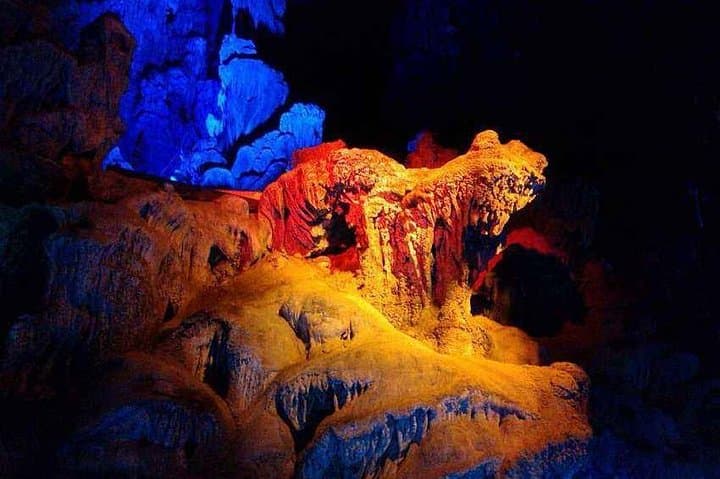
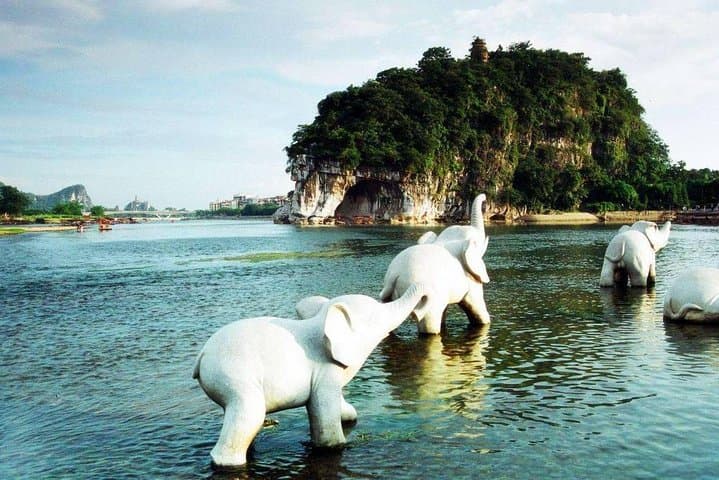
Day two shifts from river to stone: Seven Star Park’s mixed gardens and small zoo offer an easy walk, then Reed Flute Cave plunges visitors into an illuminated underground world of stalactites and columns. The afternoon stops at Elephant Trunk Hill, a riverside karst formation famed for its “elephant” profile and moon-shaped aperture.
Geology here is karst—limestone sculpted by water over millions of years—so expect caves, cliffs, and clear, pebble-lined shallows. Culturally the Li River has been painted and written about for a thousand years and remains a working landscape of farmers, ferrymen, and tea growers.
Practical guidance: plan for light walking with steps and uneven surfaces, bring a camera with a polarizer for river reflections, and carry motion-sickness remedies if you’re prone to boat sway. Guides typically handle admissions and transport; optional Yangshuo add-ons and hotels in Yangshuo are extra. Travel early or late in the day for softer light and smaller crowds. Respect marked paths in caves and parks—karst landscapes are fragile and erosion-prone.
easy.
2 days (approx. 48 hours).
Suitable for travelers in average physical condition; includes light walking, stairs, and short transfers
Yes—pickups from centrally located Guilin hotels are typically provided on day one as stated in the itinerary.
Admissions for listed attractions and two lunches are included; optional Yangshuo tours and hotel nights in Yangshuo are extra.
This is offered as a private tour according to the listing; confirm the group size and private-guide option at booking.
The tour is rated easy but involves stairs and uneven surfaces; it’s not recommended for travelers with serious spinal, heart, or pregnancy-related conditions.
Guilin’s karst scenery has been celebrated for centuries in Chinese painting and poetry; the Li River trade route shaped local agriculture and village life.
Karst terrains are highly erosion-prone—stay on paths, avoid removing rock or vegetation, and minimize plastic waste to protect fragile water systems.
ToursbyChina operates guided outdoor trips and adventures with an emphasis on safety, stewardship, and memorable experiences.
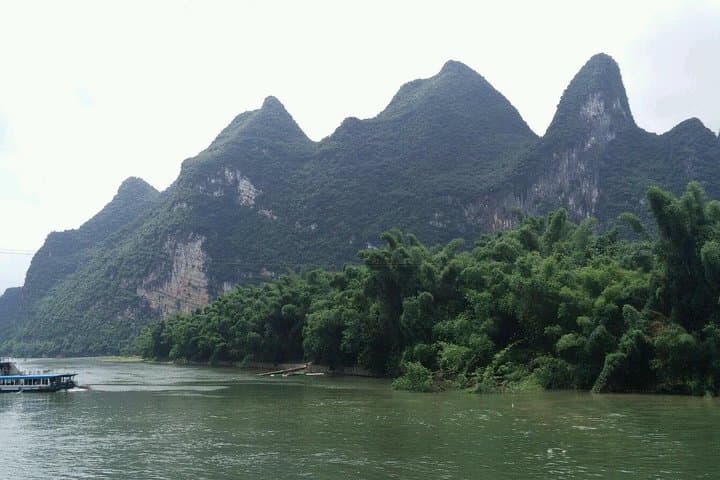
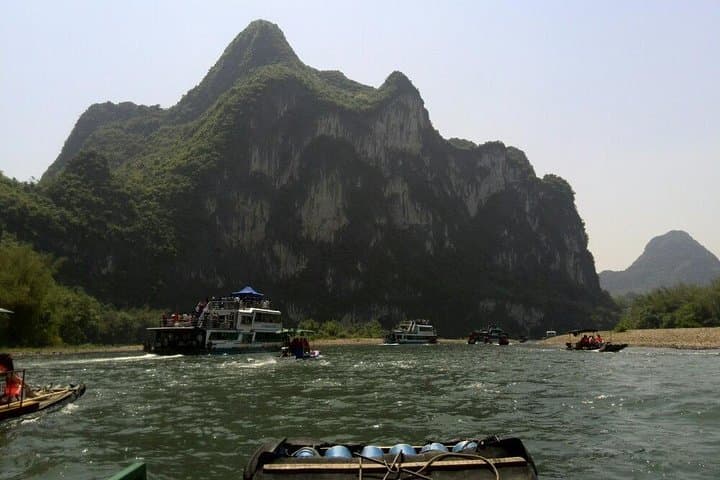
Morning mist lifts off the Li River as the group boards a low-deck cruise and the first karst pinnacles appear—sharp, grey-green teeth rising from glassy water. The first day is paced: a 3–4 hour transfer to Zhujiang Pier, a first-floor seat on a Li River cruise with on-board lunch, and a slow passage past rice fields and limestone towers that have defined Chinese landscape painting for centuries.
Morning mist lifts off the Li River as the group boards a low-deck cruise and the first karst pinnacles appear—sharp, grey-green teeth rising from glassy water. The first day is paced: a 3–4 hour transfer to Zhujiang Pier, a first-floor seat on a Li River cruise with on-board lunch, and a slow passage past rice fields and limestone towers that have defined Chinese landscape painting for centuries.
Day two shifts from river to stone: Seven Star Park’s mixed gardens and small zoo offer an easy walk, then Reed Flute Cave plunges visitors into an illuminated underground world of stalactites and columns. The afternoon stops at Elephant Trunk Hill, a riverside karst formation famed for its “elephant” profile and moon-shaped aperture.
Geology here is karst—limestone sculpted by water over millions of years—so expect caves, cliffs, and clear, pebble-lined shallows. Culturally the Li River has been painted and written about for a thousand years and remains a working landscape of farmers, ferrymen, and tea growers.
Practical guidance: plan for light walking with steps and uneven surfaces, bring a camera with a polarizer for river reflections, and carry motion-sickness remedies if you’re prone to boat sway. Guides typically handle admissions and transport; optional Yangshuo add-ons and hotels in Yangshuo are extra. Travel early or late in the day for softer light and smaller crowds. Respect marked paths in caves and parks—karst landscapes are fragile and erosion-prone.