THE ADVENTURE COLLECTIVE® · Independent discovery and booking for outdoor travel

Spend two days between the moving dunes of Wahiba Sands and the clear pools of Wadi Bani Khalid. This guided overnight combines dune driving, Bedouin hospitality and cultural stops in Ibra and Fanja for a compact desert immersion.
Spend two days between the moving dunes of Wahiba Sands and the clear pools of Wadi Bani Khalid. This guided overnight combines dune driving, Bedouin hospitality and cultural stops in Ibra and Fanja for a compact desert immersion.
The sun slides off a line of dunes and the sand seems to rearrange itself beneath the 4WD as you push farther into Wahiba Sands. By late afternoon the light sharpens the crests and the guide points to a ridge — the perfect place to watch the desert inhale the sunset.
Verified experiences and guided adventures in the surrounding area.
Operated by Oman Compass Tours · Muscat, Muscat Governorate
The sun slides off a line of dunes and the sand seems to rearrange itself beneath the 4WD as you push farther into Wahiba Sands. By late afternoon the light sharpens the crests and the guide points to a ridge — the perfect place to watch the desert inhale the sunset.
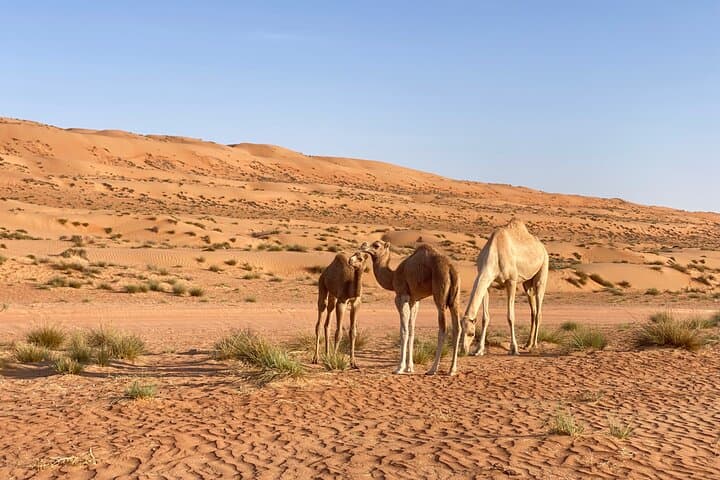
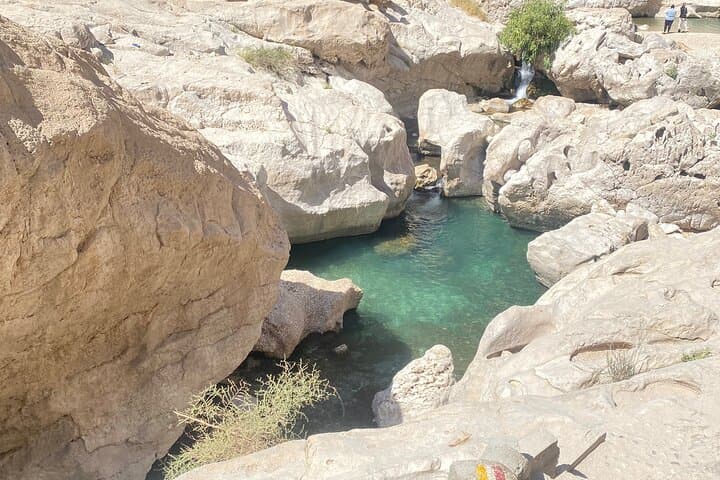
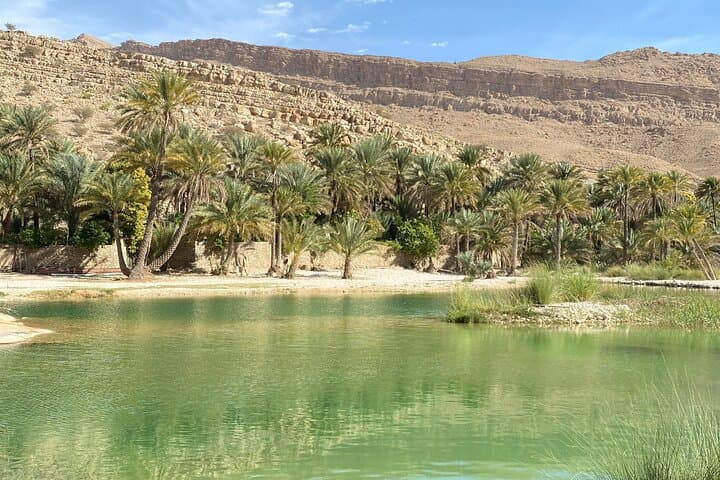
This two-day loop pairs the muscular sweep of Sharqiyah (Wahiba) dunes with the cool pools of Wadi Bani Khalid and a cultural stop in Ibra and Fanja. Geologically, the sands are wind-carved ridges often rising tens of metres; the wadi cuts through older limestone and hosts perennial springs that communities have farmed for centuries. Culturally, you’ll meet Bedouin hospitality — camel-borne traditions, camel-hair crafts, coffee and dates — and visit Al Darwaza House in Ibra, a 600-year-old mud-and-stone structure that reveals traditional Omani domestic design.
Expect easy walking to swims in shaded pools, short dune hikes for sunset photos, and guided 4WD transfers across soft sand. Nights are cool despite daytime heat; stargazing here is uncompromised by light. Practical notes: carry 3–4 litres of water per person for daytime, sun protection for exposed dunes, and a warm layer for camp. Footwear should handle sand and rocky wadis — gaiters help. Respect private Bedouin spaces and conserve water; stick to tracks to avoid destabilizing dunes. This trip blends natural contrasts — liquid pools daring you to cool off while dry dunes press onward — with straightforward logistics suited to first-time desert campers.
moderate.
2 days.
Light to moderate fitness; able to handle short hikes (15–60 minutes) on uneven rock or soft sand and basic camel rides.
Temperatures can drop sharply after sunset; expect a 10–20°C swing—bring a warm layer in winter months.
The wadi has clear pools suitable for swims; follow your guide, avoid deep or fast-flowing sections, and watch for slippery rock.
Yes—guided short rides are offered and staff provide instruction; those with severe back problems should avoid camel riding.
Desert camps typically provide private tented rooms with basic toilets and washing facilities; amenities vary by camp standard.
The Sharqiyah Sands are home to Bedouin communities whose camel-centered culture and caravan routes shaped coastal and inland trade; Ibra’s Al Darwaza reflects centuries of local craftsmanship.
The dunes are ecologically fragile—stay on 4WD tracks, avoid driving over vegetation, and minimize water use; support local guides and craftsmen to keep tourism sustainable.
Oman Compass Tours operates guided outdoor trips and adventures with an emphasis on safety, stewardship, and memorable experiences.
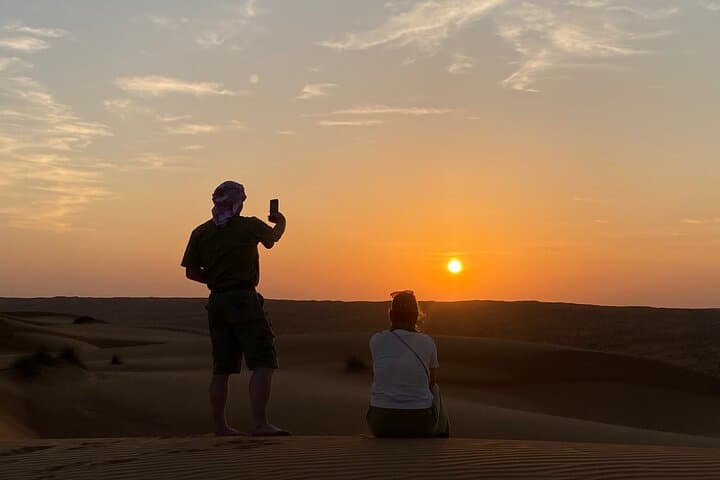
The sun slides off a line of dunes and the sand seems to rearrange itself beneath the 4WD as you push farther into Wahiba Sands. By late afternoon the light sharpens the crests and the guide points to a ridge — the perfect place to watch the desert inhale the sunset.
The sun slides off a line of dunes and the sand seems to rearrange itself beneath the 4WD as you push farther into Wahiba Sands. By late afternoon the light sharpens the crests and the guide points to a ridge — the perfect place to watch the desert inhale the sunset.
This two-day loop pairs the muscular sweep of Sharqiyah (Wahiba) dunes with the cool pools of Wadi Bani Khalid and a cultural stop in Ibra and Fanja. Geologically, the sands are wind-carved ridges often rising tens of metres; the wadi cuts through older limestone and hosts perennial springs that communities have farmed for centuries. Culturally, you’ll meet Bedouin hospitality — camel-borne traditions, camel-hair crafts, coffee and dates — and visit Al Darwaza House in Ibra, a 600-year-old mud-and-stone structure that reveals traditional Omani domestic design.
Expect easy walking to swims in shaded pools, short dune hikes for sunset photos, and guided 4WD transfers across soft sand. Nights are cool despite daytime heat; stargazing here is uncompromised by light. Practical notes: carry 3–4 litres of water per person for daytime, sun protection for exposed dunes, and a warm layer for camp. Footwear should handle sand and rocky wadis — gaiters help. Respect private Bedouin spaces and conserve water; stick to tracks to avoid destabilizing dunes. This trip blends natural contrasts — liquid pools daring you to cool off while dry dunes press onward — with straightforward logistics suited to first-time desert campers.