THE ADVENTURE COLLECTIVE® · Independent discovery and booking for outdoor travel

Journey from Athens to the soaring rock pillars of Meteora on a two-day guided tour with hotel options. Experience sunset viewpoints, cliff-top monasteries and a morning of frescoed chapels and hermit caves.
Journey from Athens to the soaring rock pillars of Meteora on a two-day guided tour with hotel options. Experience sunset viewpoints, cliff-top monasteries and a morning of frescoed chapels and hermit caves.
A bus eases out of Athens and the plain unfurls: olive groves and low stone walls slide past as the grey needles of Meteora rise ahead like vertical cliffs rewriting the skyline.
Verified experiences and guided adventures in the surrounding area.
Operated by Keytours - Greece · Kalambaka, Thessaly
A bus eases out of Athens and the plain unfurls: olive groves and low stone walls slide past as the grey needles of Meteora rise ahead like vertical cliffs rewriting the skyline.
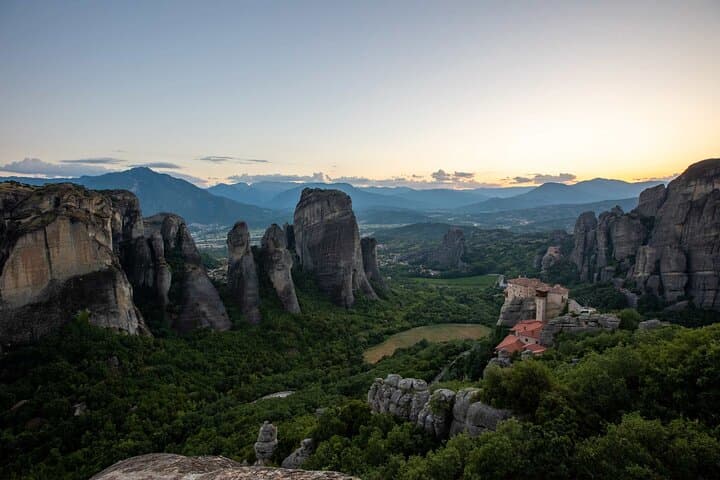
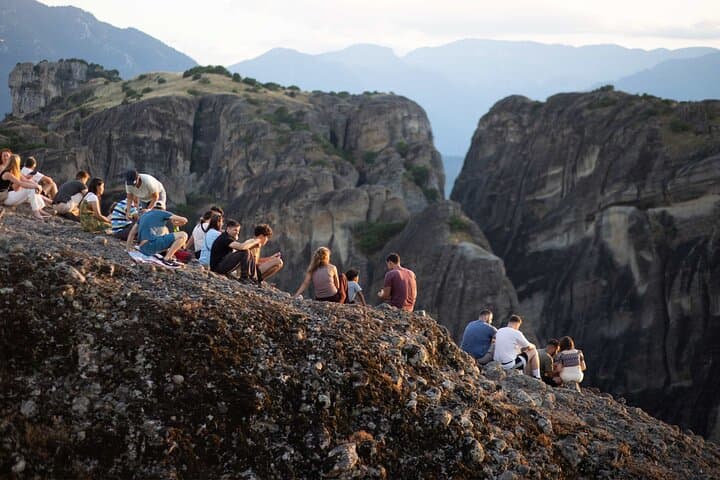
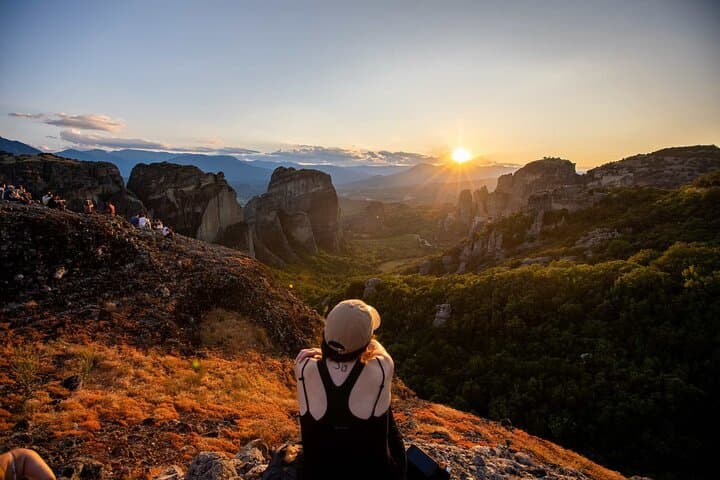
Those rock towers, carved by eons of river and wind, hold Byzantine monasteries perched on narrow summits — small human worlds clinging to older stone. The first evening, a guided sunset route finds viewpoints where light sharpens the sandstone and shadows sketch staircases and carved niches. The next morning, visitors move through frescoed chapels and narrow courtyards, hearing the scrape of footsteps and the soft hush of prayer in spaces that for centuries sheltered hermits.
Geologically, Meteora’s pillars are Miocene conglomerates shaped by rivers and uplift; culturally, the site grew into a monastic republic in the 14th–16th centuries when monks sought isolation and safety. Local guides connect those facts to lived practice: the strict dress codes, the stories behind iconography and the rope-and-basket history of how everyday goods once reached the monasteries.
Practicalities are direct. The shared, air-conditioned bus leaves from Larissis Station; one overnight in Kalambaka at a three- or four-star hotel is included if selected. Expect modest hiking between viewpoints and stair climbs at monasteries — bring covered shoulders and knees, comfortable shoes, water, and a camera with quick access. Timing matters: sunset light and early-morning quiet are the best moments to avoid crowds and sense why Meteora still feels like a place where rock and ritual meet.
moderate.
2 days (approx. 8–10 hours per day including travel).
Suitable for travelers who can walk on uneven ground and climb multiple flights of stone steps; basic stamina recommended.
The bus departs from Larissis Station in Athens; take the Red Line metro to Larissa and meet at the Deligianni Street exit 15 minutes before departure.
This tour’s inclusions list expert guides and audio tours, but individual monastery admission fees may not be covered—bring cash for entry where required.
The itinerary is family-friendly but involves stair climbs and uneven surfaces; travelers with limited mobility may find access challenging at some monasteries.
Yes — the tour offers options to join a morning sightseeing route or a hiking tour that reaches hermit caves and viewpoints around Meteora.
Meteora grew as a monastic center between the 14th and 16th centuries when monks moved to the cliffs for refuge and spiritual isolation, producing remarkably preserved Byzantine art.
Visitor management and restricted access protect fragile frescoes and rock faces; stick to marked paths, avoid disturbing wildlife, and follow monastery rules to minimize impact.
Keytours - Greece operates guided outdoor trips and adventures with an emphasis on safety, stewardship, and memorable experiences.

A bus eases out of Athens and the plain unfurls: olive groves and low stone walls slide past as the grey needles of Meteora rise ahead like vertical cliffs rewriting the skyline.
A bus eases out of Athens and the plain unfurls: olive groves and low stone walls slide past as the grey needles of Meteora rise ahead like vertical cliffs rewriting the skyline.
Those rock towers, carved by eons of river and wind, hold Byzantine monasteries perched on narrow summits — small human worlds clinging to older stone. The first evening, a guided sunset route finds viewpoints where light sharpens the sandstone and shadows sketch staircases and carved niches. The next morning, visitors move through frescoed chapels and narrow courtyards, hearing the scrape of footsteps and the soft hush of prayer in spaces that for centuries sheltered hermits.
Geologically, Meteora’s pillars are Miocene conglomerates shaped by rivers and uplift; culturally, the site grew into a monastic republic in the 14th–16th centuries when monks sought isolation and safety. Local guides connect those facts to lived practice: the strict dress codes, the stories behind iconography and the rope-and-basket history of how everyday goods once reached the monasteries.
Practicalities are direct. The shared, air-conditioned bus leaves from Larissis Station; one overnight in Kalambaka at a three- or four-star hotel is included if selected. Expect modest hiking between viewpoints and stair climbs at monasteries — bring covered shoulders and knees, comfortable shoes, water, and a camera with quick access. Timing matters: sunset light and early-morning quiet are the best moments to avoid crowds and sense why Meteora still feels like a place where rock and ritual meet.