THE ADVENTURE COLLECTIVE® · Independent discovery and booking for outdoor travel

Ride a scenic train from Ollantaytambo to Aguas Calientes and spend two days exploring Machu Picchu with a professional guide. Overnight in town, then head up early for a timed entry, a guided tour of the citadel, and free time to roam the terraces.
Ride a scenic train from Ollantaytambo to Aguas Calientes and spend two days exploring Machu Picchu with a professional guide. Overnight in town, then head up early for a timed entry, a guided tour of the citadel, and free time to roam the terraces.
The train slips alongside the Urubamba River as cloud and mountain trade places; windows frame terraces that climb like carved steps toward the lower jungle where the ruin waits. You arrive in Aguas Calientes with the damp, floral air of the valley and the buzz of travelers readying for the early ascent to the citadel.
Verified experiences and guided adventures in the surrounding area.
Operated by Yapa Explorers · Aguas Calientes (Machu Picchu Pueblo), Cusco
The train slips alongside the Urubamba River as cloud and mountain trade places; windows frame terraces that climb like carved steps toward the lower jungle where the ruin waits. You arrive in Aguas Calientes with the damp, floral air of the valley and the buzz of travelers readying for the early ascent to the citadel.
Machu Picchu sits on a ridge where Andean limestone gives way to tropical soil — volcanic and uplift activity shaped the steep valleys, and the Incas engineered terraces and water channels to fit the landscape. Built in the 15th century during the reign of Pachacuti and largely untouched by Spanish occupation, the site is both archaeological classroom and spiritual place. Local culture is visible in market stalls, Quechua-speaking guides, and the slow, patient rhythm of mountain life.
On day one you’ll ride the classic Ollantaytambo–Aguas Calientes train and overnight in a shared hostel; day two is an early walk or optional bus up to the entrance for a guided two‑hour circuit of plazas, temples, and agricultural terraces, followed by free time to explore.
Practical guidance: acclimatize in Cusco before departure, carry layered rain protection, and expect a lot of stone steps and uneven paths. Entrance windows are timed and strictly enforced, so arrive early and keep your passport handy — the guide handles routing but not bus fares from Aguas Calientes. Bring cash for tips and small purchases, and move deliberately on exposed viewpoints to protect both yourself and the site.
moderate.
2 days (most active on day 2: 3–6 hours).
You should be comfortable walking uneven stone steps, climbing stairs and standing for extended periods at moderate altitude
Yes — this tour includes the train from Ollantaytambo to Aguas Calientes and the return segment as listed in the inclusions.
Yes — entrance to Machu Picchu is included in the tour price; bring your passport as it’s required for entry.
Yes — the bus is available but not included in the tour price; you can also walk the stone path (about 45–60 minutes uphill).
Acclimatize in Cusco for 24–48 hours, stay hydrated, avoid heavy meals and alcohol before the hike, and consider acetazolamide only after consulting a doctor.
Machu Picchu was constructed in the mid-1400s under Inca ruler Pachacuti and was reintroduced to the wider world after Hiram Bingham’s 1911 visit.
Site management limits daily visitors and enforces trail rules to reduce erosion; stick to marked paths, avoid drones, and support local guides and businesses.
Yapa Explorers operates guided outdoor trips and adventures with an emphasis on safety, stewardship, and memorable experiences.
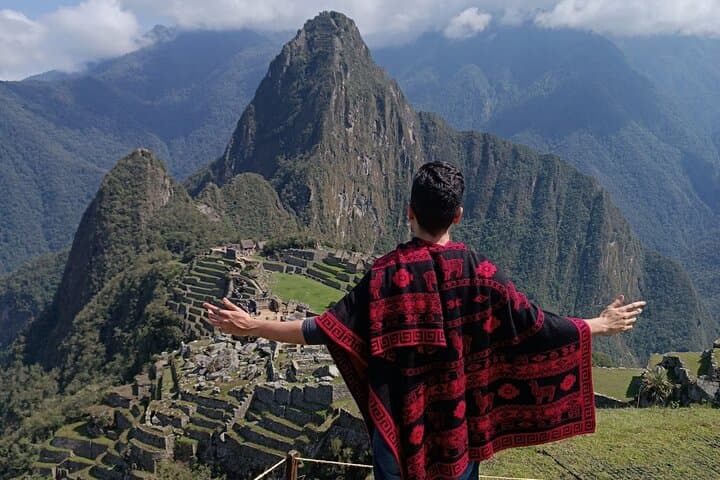
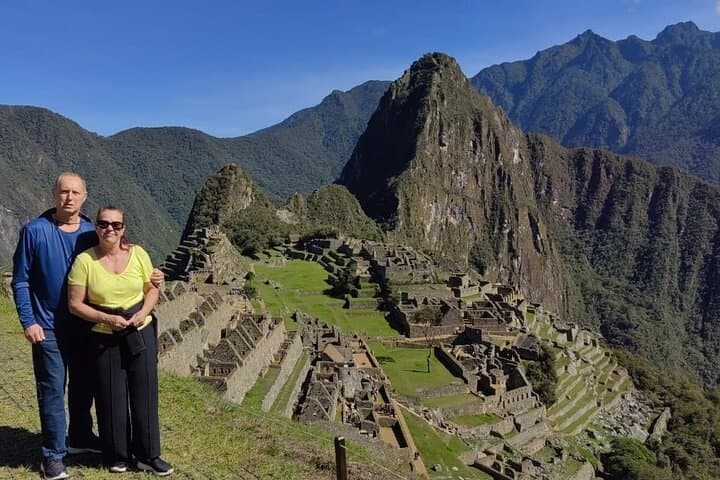
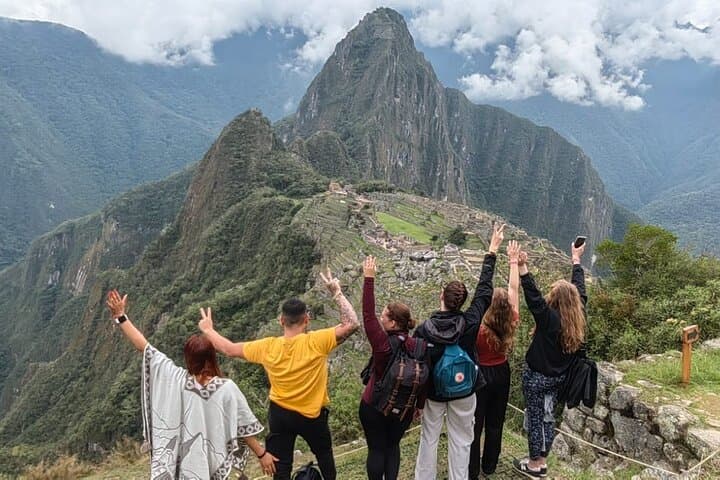
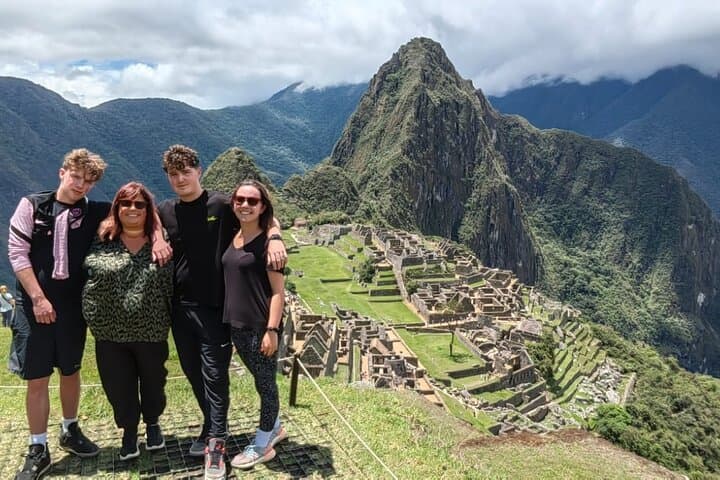
The train slips alongside the Urubamba River as cloud and mountain trade places; windows frame terraces that climb like carved steps toward the lower jungle where the ruin waits. You arrive in Aguas Calientes with the damp, floral air of the valley and the buzz of travelers readying for the early ascent to the citadel.
The train slips alongside the Urubamba River as cloud and mountain trade places; windows frame terraces that climb like carved steps toward the lower jungle where the ruin waits. You arrive in Aguas Calientes with the damp, floral air of the valley and the buzz of travelers readying for the early ascent to the citadel.
Machu Picchu sits on a ridge where Andean limestone gives way to tropical soil — volcanic and uplift activity shaped the steep valleys, and the Incas engineered terraces and water channels to fit the landscape. Built in the 15th century during the reign of Pachacuti and largely untouched by Spanish occupation, the site is both archaeological classroom and spiritual place. Local culture is visible in market stalls, Quechua-speaking guides, and the slow, patient rhythm of mountain life.
On day one you’ll ride the classic Ollantaytambo–Aguas Calientes train and overnight in a shared hostel; day two is an early walk or optional bus up to the entrance for a guided two‑hour circuit of plazas, temples, and agricultural terraces, followed by free time to explore.
Practical guidance: acclimatize in Cusco before departure, carry layered rain protection, and expect a lot of stone steps and uneven paths. Entrance windows are timed and strictly enforced, so arrive early and keep your passport handy — the guide handles routing but not bus fares from Aguas Calientes. Bring cash for tips and small purchases, and move deliberately on exposed viewpoints to protect both yourself and the site.