THE ADVENTURE COLLECTIVE® · Independent discovery and booking for outdoor travel

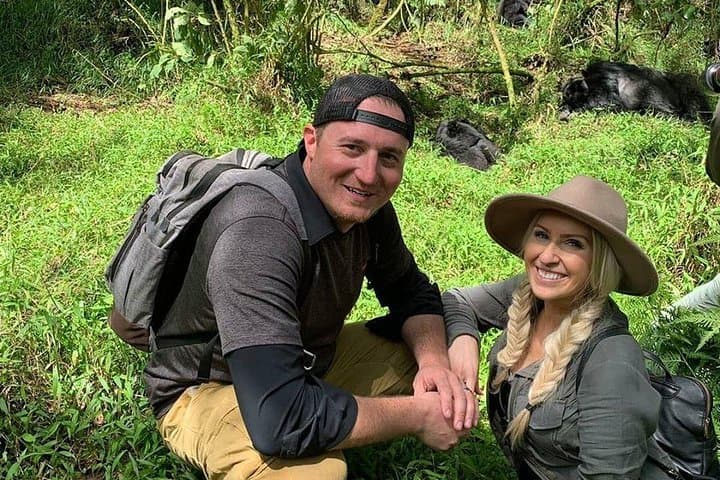
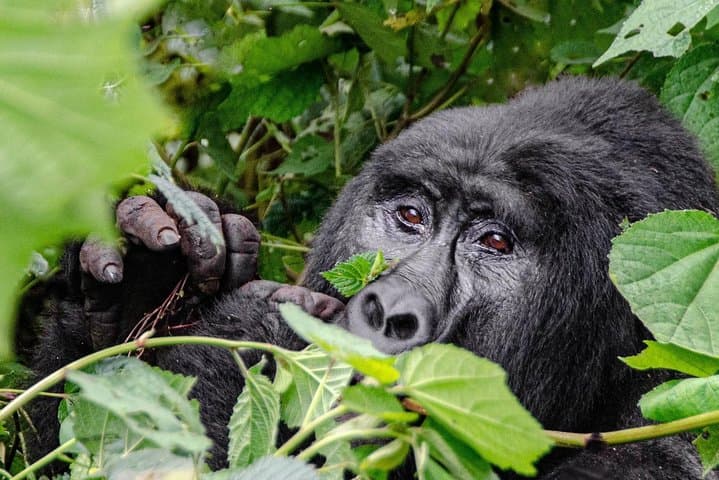
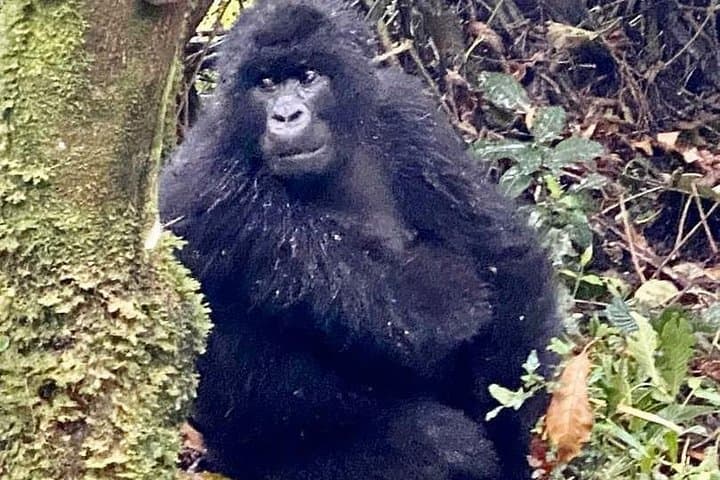
Spend two days tracking mountain gorillas in Volcanoes National Park with early briefings, a guided trek through steep rainforest, and one hour observing these rare primates. This compact itinerary balances time to relax with a focused, permit-based safari experience.
Spend two days tracking mountain gorillas in Volcanoes National Park with early briefings, a guided trek through steep rainforest, and one hour observing these rare primates. This compact itinerary balances time to relax with a focused, permit-based safari experience.
Before sunrise the road narrows and the air cools; mist clings to the slopes of the Virunga Range and the guides unload gear while the forest seems to hold its breath. You meet rangers at the briefing hut, sip a quick tea, and then the trail pulls you into green — roots gripping the soil, palms brushing your sleeves, and the mountain pushing you upward as if testing resolve.
Verified experiences and guided adventures in the surrounding area.
Operated by Katona Tours and Travel · Musanze, Northern Province
Before sunrise the road narrows and the air cools; mist clings to the slopes of the Virunga Range and the guides unload gear while the forest seems to hold its breath. You meet rangers at the briefing hut, sip a quick tea, and then the trail pulls you into green — roots gripping the soil, palms brushing your sleeves, and the mountain pushing you upward as if testing resolve.
Volcanoes National Park sits on Rwanda’s northern highlands, a volcanic ridge formed by the same tectonic seams that birthed the Virungas. The park’s recent history is inseparable from Dian Fossey’s research and the country’s intensive conservation efforts that returned mountain gorillas from the brink. Local Bakiga communities now balance subsistence farming with guiding and hospitality, making each permit a direct part of conservation and livelihoods.
Expect uneven jungle trails, steep sections, and altitudes commonly between 2,200–3,000 m. Trekking can last from one hour to most of the day depending on gorilla movement; the official group viewing time is one hour. Practical prep matters: sturdy, waterproof boots, gaiters, layered clothing, and a small daypack with water and snacks will keep you focused on the forest’s sounds rather than discomfort. Respect park rules—keep distance, follow the lead of rangers, and stay home if you’re ill; gorillas are vulnerable to human pathogens.
Logistics: morning briefings typically start around 7:30 am, permits are required and limited, and transport from Kigali or Musanze is standard. The payoff is direct: a group of primates meeting your gaze in a rainforest that still feels wild and will not be rushed.
challenging.
2 days (approx. 48 hours); trekking portions 1–6 hours.
Good aerobic fitness and the ability to handle steep, uneven terrain at altitude; nimble ankle stability is helpful
Yes — Rwanda requires a permit for gorilla trekking, sold in limited numbers by the Rwanda Development Board; book early through authorized channels.
Trekking time varies by gorilla movement; expect anywhere from 1 to 6 hours in the forest, plus briefing and transfer time.
Children and older visitors can participate if fit for steep, bumpy trails; park rules sometimes set minimum age limits for permits—check current RDB policy.
Golden monkeys, forest duikers, and a variety of bird species are common; sightings depend on habitat and time of day.
Volcanoes National Park is part of the Virunga chain and became a focal point for conservation through Dian Fossey’s work; gorilla tourism now funds protection and community programs.
Gorilla permits directly fund anti-poaching patrols and local community initiatives; follow health and distance rules to minimize disease transmission to primates.
Katona Tours and Travel operates guided outdoor trips and adventures with an emphasis on safety, stewardship, and memorable experiences.
Before sunrise the road narrows and the air cools; mist clings to the slopes of the Virunga Range and the guides unload gear while the forest seems to hold its breath. You meet rangers at the briefing hut, sip a quick tea, and then the trail pulls you into green — roots gripping the soil, palms brushing your sleeves, and the mountain pushing you upward as if testing resolve.
Before sunrise the road narrows and the air cools; mist clings to the slopes of the Virunga Range and the guides unload gear while the forest seems to hold its breath. You meet rangers at the briefing hut, sip a quick tea, and then the trail pulls you into green — roots gripping the soil, palms brushing your sleeves, and the mountain pushing you upward as if testing resolve.
Volcanoes National Park sits on Rwanda’s northern highlands, a volcanic ridge formed by the same tectonic seams that birthed the Virungas. The park’s recent history is inseparable from Dian Fossey’s research and the country’s intensive conservation efforts that returned mountain gorillas from the brink. Local Bakiga communities now balance subsistence farming with guiding and hospitality, making each permit a direct part of conservation and livelihoods.
Expect uneven jungle trails, steep sections, and altitudes commonly between 2,200–3,000 m. Trekking can last from one hour to most of the day depending on gorilla movement; the official group viewing time is one hour. Practical prep matters: sturdy, waterproof boots, gaiters, layered clothing, and a small daypack with water and snacks will keep you focused on the forest’s sounds rather than discomfort. Respect park rules—keep distance, follow the lead of rangers, and stay home if you’re ill; gorillas are vulnerable to human pathogens.
Logistics: morning briefings typically start around 7:30 am, permits are required and limited, and transport from Kigali or Musanze is standard. The payoff is direct: a group of primates meeting your gaze in a rainforest that still feels wild and will not be rushed.