THE ADVENTURE COLLECTIVE® · Independent discovery and booking for outdoor travel

Two packed days move from Delhi to the Taj Mahal and on to Jaipur’s forts and palaces. Expect early mornings, long drives and concentrated walking through some of India’s most iconic monuments.
Two packed days move from Delhi to the Taj Mahal and on to Jaipur’s forts and palaces. Expect early mornings, long drives and concentrated walking through some of India’s most iconic monuments.
Dawn breaks over the expressway as the car slips out of New Delhi and the city’s sprawl gives way to low fields and scrub—by midmorning the silhouette of the Taj Mahal rises from the Yamuna like a white promise.
Verified experiences and guided adventures in the surrounding area.
Operated by Vivek Handa, Tour Guide Delhi-Agra-Jaipur · New Delhi, Delhi
Dawn breaks over the expressway as the car slips out of New Delhi and the city’s sprawl gives way to low fields and scrub—by midmorning the silhouette of the Taj Mahal rises from the Yamuna like a white promise.
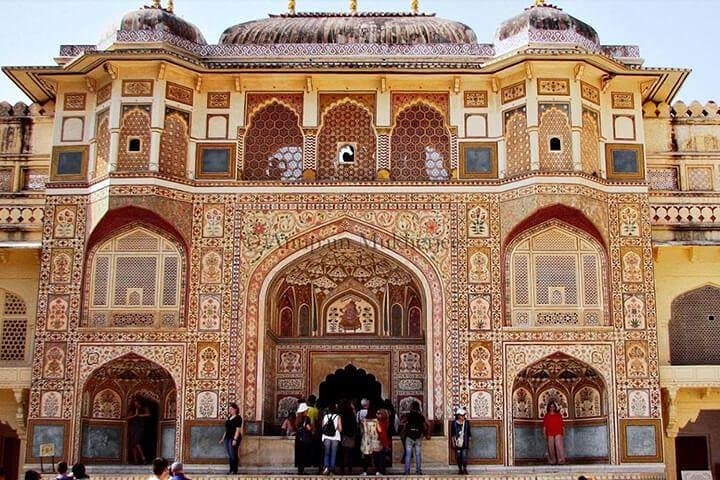
This two-day loop threads together two UNESCO sites and princely palaces: the Taj Mahal’s ivory marble set on the Yamuna, Agra Fort’s red-sandstone ramparts, and Jaipur’s planned grid with its pink-faced façades and hilltop Amber Fort. Geologically, the region shifts from mortar-and-sandstone Mughal masonry to Jaipur’s sandstone and lime-plastered palaces; culturally, the route is an introduction to Mughal court architecture and Rajput urban design.
Travelers should expect long seat times broken by concentrated walking: a sunrise or daytime visit to the Taj, a guided circuit through Agra Fort, then a transfer onward to Jaipur with an evening arrival. Day two concentrates on Amber Fort (steep ramps and stepped courtyards), City Palace, Jantar Mantar’s stone instruments and the Hawa Mahal façade.
Practical edge: start very early at the Taj to avoid heat and to get clearer views; carry ID for monument tickets (not always included); wear closed shoes for uneven fort surfaces; and allow for 3–4 hours of driving per transfer depending on traffic. Hydration and sun protection matter—especially from March to June. Guides handle logistics—parking, tolls and local permits—so the traveler’s job is pacing, comfort and respect for shrine etiquette.
easy.
2 days.
Light fitness required: comfortable walking for several short to moderate bursts and climbing stairs at forts.
Not always—this itinerary lists major site admission as "not included," so expect to pay entry fees on arrival unless the operator confirms otherwise.
Yes; the private tour offers pick-up and drop-off in New Delhi from hotels, airports or train stations as arranged at booking.
Transportation is listed as wheelchair-accessible, but many historic sites have uneven surfaces and stairs; accessibility at each monument is limited.
Plan on roughly 3 hours from Delhi to Agra on the expressway and around 4 hours from Agra to Jaipur, though traffic can extend those times.
The Taj Mahal was commissioned by Shah Jahan in 1632 as a mausoleum; Jaipur was founded in 1727 by Maharaja Sawai Jai Singh II and is known for its planned grid and pink-painted old city from the late 19th century.
Air pollution and visitor wear have pressured monuments—support conservation by avoiding litter, using refillable bottles and following marked paths and guide instructions.
Vivek Handa, Tour Guide Delhi-Agra-Jaipur operates guided outdoor trips and adventures with an emphasis on safety, stewardship, and memorable experiences.
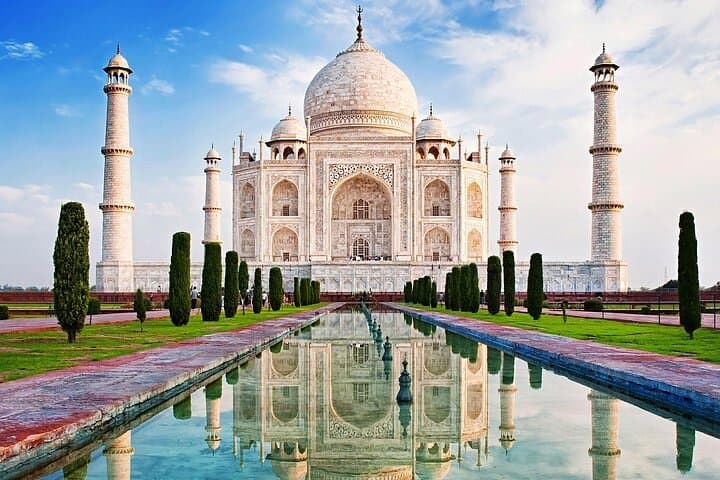
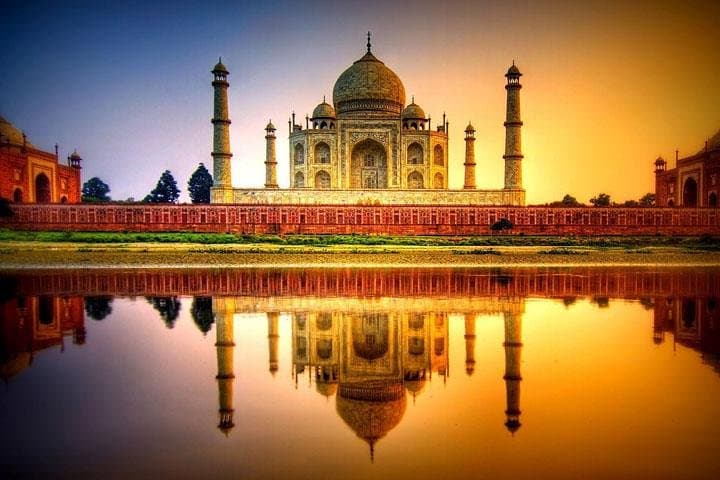
Dawn breaks over the expressway as the car slips out of New Delhi and the city’s sprawl gives way to low fields and scrub—by midmorning the silhouette of the Taj Mahal rises from the Yamuna like a white promise.
Dawn breaks over the expressway as the car slips out of New Delhi and the city’s sprawl gives way to low fields and scrub—by midmorning the silhouette of the Taj Mahal rises from the Yamuna like a white promise.
This two-day loop threads together two UNESCO sites and princely palaces: the Taj Mahal’s ivory marble set on the Yamuna, Agra Fort’s red-sandstone ramparts, and Jaipur’s planned grid with its pink-faced façades and hilltop Amber Fort. Geologically, the region shifts from mortar-and-sandstone Mughal masonry to Jaipur’s sandstone and lime-plastered palaces; culturally, the route is an introduction to Mughal court architecture and Rajput urban design.
Travelers should expect long seat times broken by concentrated walking: a sunrise or daytime visit to the Taj, a guided circuit through Agra Fort, then a transfer onward to Jaipur with an evening arrival. Day two concentrates on Amber Fort (steep ramps and stepped courtyards), City Palace, Jantar Mantar’s stone instruments and the Hawa Mahal façade.
Practical edge: start very early at the Taj to avoid heat and to get clearer views; carry ID for monument tickets (not always included); wear closed shoes for uneven fort surfaces; and allow for 3–4 hours of driving per transfer depending on traffic. Hydration and sun protection matter—especially from March to June. Guides handle logistics—parking, tolls and local permits—so the traveler’s job is pacing, comfort and respect for shrine etiquette.