THE ADVENTURE COLLECTIVE® · Independent discovery and booking for outdoor travel

Compress two of northern India’s landmark cities into a compact, well-paced loop: sunrise at the Taj Mahal, Agra Fort’s ramparts, and Jaipur’s palaces in just 48 hours. This private tour pairs door-to-door transport with a local guide to maximize time at each site.
Compress two of northern India’s landmark cities into a compact, well-paced loop: sunrise at the Taj Mahal, Agra Fort’s ramparts, and Jaipur’s palaces in just 48 hours. This private tour pairs door-to-door transport with a local guide to maximize time at each site.
Morning light strips the city into sharp planes: Delhi’s traffic hum fades as the car hits the expressway and the silhouette of the Taj Mahal rises along the Yamuna. Over two days this compact loop moves fast—sunrise at the Taj, a walk through Agra Fort’s red sandstone corridors, then the rose- and ochre-streaked streets of Jaipur and the ramparts of Amber Fort.
Verified experiences and guided adventures in the surrounding area.
Operated by Yoganshi Travel · New Delhi, Delhi
Morning light strips the city into sharp planes: Delhi’s traffic hum fades as the car hits the expressway and the silhouette of the Taj Mahal rises along the Yamuna. Over two days this compact loop moves fast—sunrise at the Taj, a walk through Agra Fort’s red sandstone corridors, then the rose- and ochre-streaked streets of Jaipur and the ramparts of Amber Fort.
This itinerary threads Mughal and Rajput histories: Shah Jahan’s 17th-century mausoleum on the riverbank, Agra Fort’s imperial chambers, and Jaipur’s planned city geometry from the early 18th century. Geology shows in the materials—white Makrana marble for the Taj, local sandstone for forts—materials that reveal regional trade and craftsmanship. Culturally, the route showcases northern India’s palace arts, astronomical instruments at Jantar Mantar, and lively bazaars where textiles and block prints remain a living trade.
Practically, expect long drives (Delhi–Agra ≈ 3 hours; Agra–Jaipur ≈ 4–5 hours) with guided stops rather than long hikes. Accommodation is one night in Jaipur at a 3-star hotel; breakfasts are included. Dress smart casual for temple and palace etiquette; modest, breathable fabrics work best. Carry cash for monument entry and local purchases, and plan sunrise at the Taj to avoid midday crowds and heat. Hydrate, pace sightseeing across both days, and use comfortable walking shoes—the terrain is mostly paved courtyards, steps, and uneven stone. With a private vehicle and guide, the tour compresses big cultural landmarks into a focused, accessible two-day run through some of India’s definitive sights.
easy.
2 days.
Light fitness: able to walk on paved and uneven surfaces, climb stairs at forts and monuments.
This listing’s inclusions do not guarantee monument admission; travelers should confirm whether entry tickets are included or if fees are paid on-site.
Yes—private pickup from Delhi airport, railway station, or hotel is provided; confirm your preferred pickup point at booking.
Expect moderate walking: courtyard exploration and stair climbs at forts and monuments, typically lasting 30–90 minutes per site.
Generally suitable for all fitness levels, but travelers with mobility issues or serious health concerns should check accessibility and discuss options with the operator.
The Golden Triangle links Mughal-era Agra—home to Shah Jahan’s 17th-century Taj Mahal—with the 18th-century planned city of Jaipur, reflecting shifting political and cultural centers in north India.
Air quality and visitor pressure affect marble and monuments; stick to marked paths, avoid feeding wildlife, and support local guides and conservation fees when offered.
Yoganshi Travel operates guided outdoor trips and adventures with an emphasis on safety, stewardship, and memorable experiences.
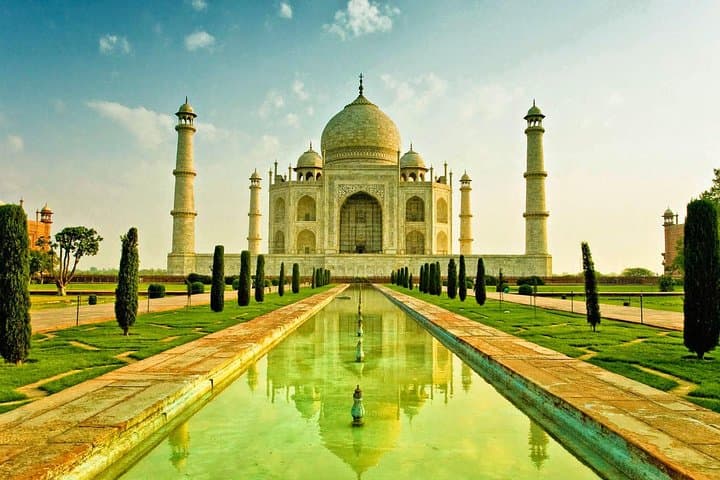
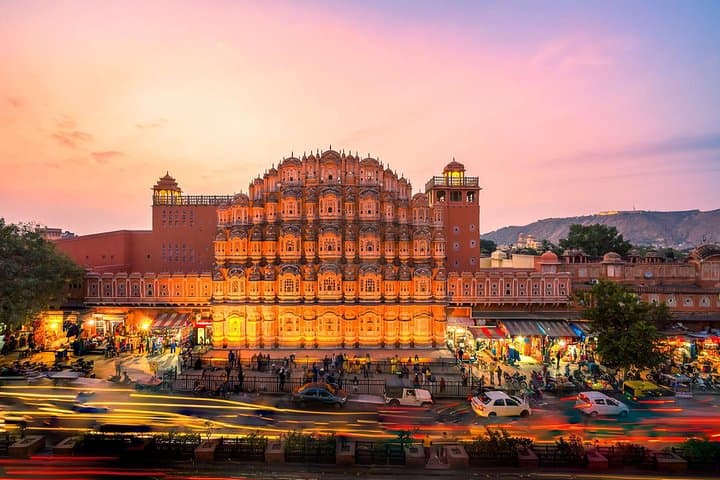
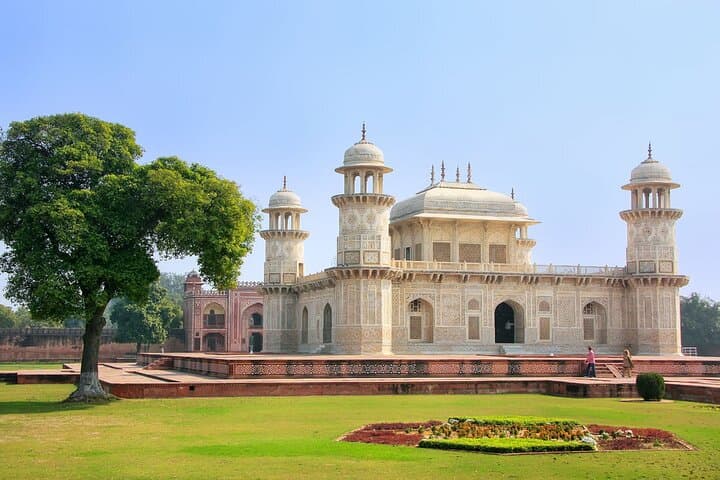
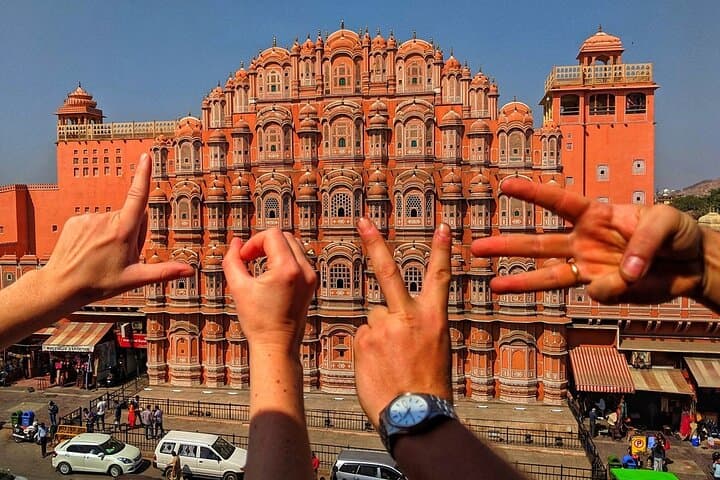
Morning light strips the city into sharp planes: Delhi’s traffic hum fades as the car hits the expressway and the silhouette of the Taj Mahal rises along the Yamuna. Over two days this compact loop moves fast—sunrise at the Taj, a walk through Agra Fort’s red sandstone corridors, then the rose- and ochre-streaked streets of Jaipur and the ramparts of Amber Fort.
Morning light strips the city into sharp planes: Delhi’s traffic hum fades as the car hits the expressway and the silhouette of the Taj Mahal rises along the Yamuna. Over two days this compact loop moves fast—sunrise at the Taj, a walk through Agra Fort’s red sandstone corridors, then the rose- and ochre-streaked streets of Jaipur and the ramparts of Amber Fort.
This itinerary threads Mughal and Rajput histories: Shah Jahan’s 17th-century mausoleum on the riverbank, Agra Fort’s imperial chambers, and Jaipur’s planned city geometry from the early 18th century. Geology shows in the materials—white Makrana marble for the Taj, local sandstone for forts—materials that reveal regional trade and craftsmanship. Culturally, the route showcases northern India’s palace arts, astronomical instruments at Jantar Mantar, and lively bazaars where textiles and block prints remain a living trade.
Practically, expect long drives (Delhi–Agra ≈ 3 hours; Agra–Jaipur ≈ 4–5 hours) with guided stops rather than long hikes. Accommodation is one night in Jaipur at a 3-star hotel; breakfasts are included. Dress smart casual for temple and palace etiquette; modest, breathable fabrics work best. Carry cash for monument entry and local purchases, and plan sunrise at the Taj to avoid midday crowds and heat. Hydrate, pace sightseeing across both days, and use comfortable walking shoes—the terrain is mostly paved courtyards, steps, and uneven stone. With a private vehicle and guide, the tour compresses big cultural landmarks into a focused, accessible two-day run through some of India’s definitive sights.