THE ADVENTURE COLLECTIVE® · Independent discovery and booking for outdoor travel

Two days across the Fergana Valley take you from the steam and dye vats of Margilan’s silk workshops to the blue-glazed kilns of Rishtan and the ornate rooms of Kokand’s Khudoyar Khan Palace. Expect markets, hands-on craft demonstrations, and moderate walking through historic streets.
Two days across the Fergana Valley take you from the steam and dye vats of Margilan’s silk workshops to the blue-glazed kilns of Rishtan and the ornate rooms of Kokand’s Khudoyar Khan Palace. Expect markets, hands-on craft demonstrations, and moderate walking through historic streets.
You step onto the eastbound train as the city fades and the plain of the Fergana Valley opens: cotton fields, low hedgerows and a distant rim of mountains that frame centuries of human work.
Verified experiences and guided adventures in the surrounding area.
Operated by Uzbek House · Kokand, Fergana Region
You step onto the eastbound train as the city fades and the plain of the Fergana Valley opens: cotton fields, low hedgerows and a distant rim of mountains that frame centuries of human work.
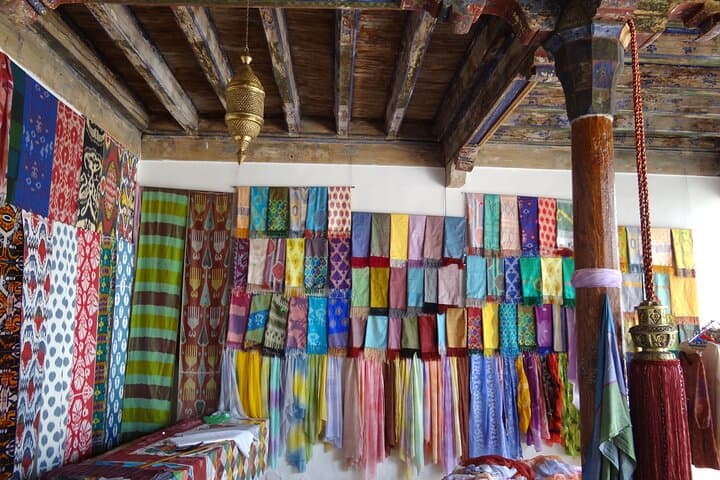
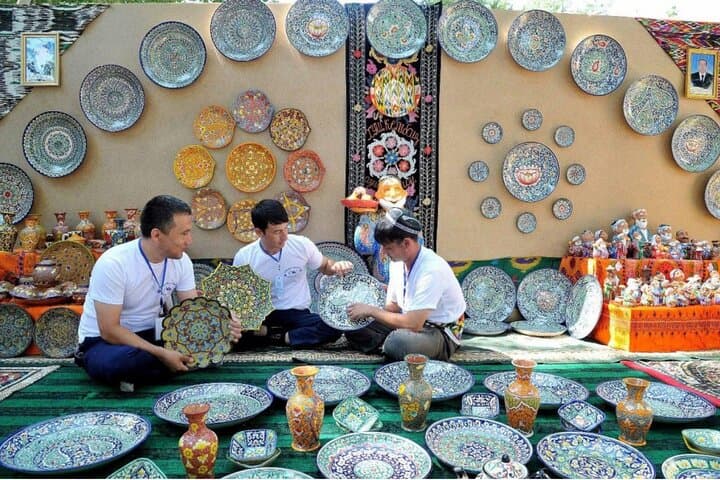
Over two days the route moves from market lanes and steaming samovars to cool courtyards and the rhythmic clack of wooden looms. In Margilan, the Yodgorlik Silk Factory demonstrates ikat dyeing and hand-loom weaving; threads become cloth under practiced hands. Rishtan’s workshops present the region’s signature cobalt-glazed pottery—kilns, paint-splattered aprons and bowls shaped by local masters.
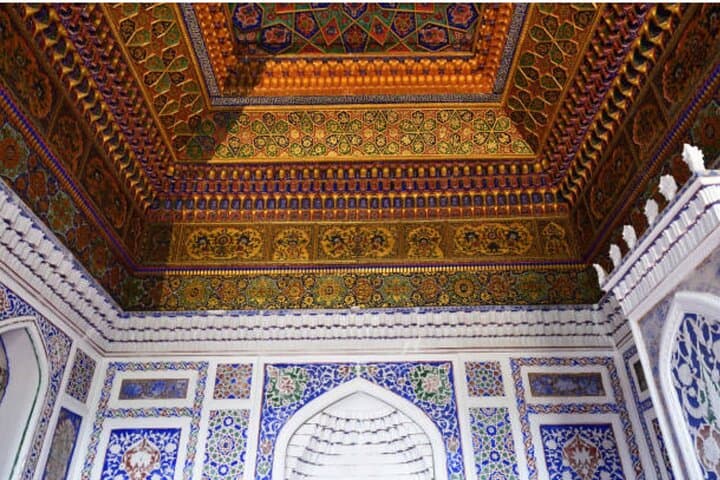
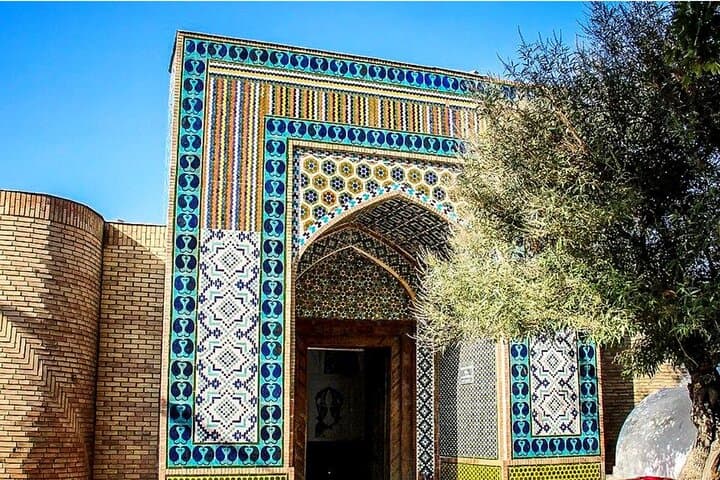
Kokand brings political history into view: the 19th-century Khudoyar Khan Palace, an ornate madrasah and the Jami Mosque offer architectural detail and a sense of the Kokand Khanate’s former reach. Bazaars in all three towns reward slow walking—spices, dried fruit, scarves and small ceramics sold by artisans who still value a haggled price.
Practical edge: bring local currency and small notes for markets, wear shoes that handle cobbled courtyards and dusty streets, and pack modest clothing for mosque visits. Expect a moderate amount of walking on uneven surfaces and brief drives between towns; comfortable pacing means early starts and breaks in teahouses.
This is a tactful cultural immersion—craft demonstrations, local food, and time in historic rooms—best approached with curiosity, cash for purchases, and respect for workshop practices and local customs.
moderate.
2 days.
Moderate fitness: several hours of walking over uneven ground and steps across two days; suitable for travelers comfortable with city walking and light climbs.
This tour departs Tashkent by train as part of the itinerary; train tickets are included—confirm your exact meeting point and departure time when you book.
Yes—an overnight stay in Kokand (Asmald Palace Hotel or similar) is included in the two-day itinerary.
Yes—workshop visits in Margilan and Rishtan allow purchases directly from producers; bring small cash for better bargaining and support of local makers.
Many historic sites and bazaars have uneven surfaces and steps; accessibility is limited—contact the operator ahead for assistance arrangements.
The Fergana Valley has been an agricultural hub and Silk Road crossroads for millennia; Kokand was the seat of the Kokand Khanate in the 18th–19th centuries, leaving lavish palaces and madrasahs.
Support artisans by buying directly and avoiding mass-produced souvenirs; minimize plastic waste in markets and respect workshop practices and materials.
Uzbek House operates guided outdoor trips and adventures with an emphasis on safety, stewardship, and memorable experiences.
You step onto the eastbound train as the city fades and the plain of the Fergana Valley opens: cotton fields, low hedgerows and a distant rim of mountains that frame centuries of human work.
You step onto the eastbound train as the city fades and the plain of the Fergana Valley opens: cotton fields, low hedgerows and a distant rim of mountains that frame centuries of human work.
Over two days the route moves from market lanes and steaming samovars to cool courtyards and the rhythmic clack of wooden looms. In Margilan, the Yodgorlik Silk Factory demonstrates ikat dyeing and hand-loom weaving; threads become cloth under practiced hands. Rishtan’s workshops present the region’s signature cobalt-glazed pottery—kilns, paint-splattered aprons and bowls shaped by local masters.
Kokand brings political history into view: the 19th-century Khudoyar Khan Palace, an ornate madrasah and the Jami Mosque offer architectural detail and a sense of the Kokand Khanate’s former reach. Bazaars in all three towns reward slow walking—spices, dried fruit, scarves and small ceramics sold by artisans who still value a haggled price.
Practical edge: bring local currency and small notes for markets, wear shoes that handle cobbled courtyards and dusty streets, and pack modest clothing for mosque visits. Expect a moderate amount of walking on uneven surfaces and brief drives between towns; comfortable pacing means early starts and breaks in teahouses.
This is a tactful cultural immersion—craft demonstrations, local food, and time in historic rooms—best approached with curiosity, cash for purchases, and respect for workshop practices and local customs.