THE ADVENTURE COLLECTIVE® · Independent discovery and booking for outdoor travel

Two days of Portugal’s religious and cultural highlights whisk you from Lisbon to Fátima via Óbidos, Alcobaça, Nazaré and Batalha. Expect medieval monasteries, coastal viewpoints, and a chance to attend mass or wander the pilgrimage routes in Fátima.
Two days of Portugal’s religious and cultural highlights whisk you from Lisbon to Fátima via Óbidos, Alcobaça, Nazaré and Batalha. Expect medieval monasteries, coastal viewpoints, and a chance to attend mass or wander the pilgrimage routes in Fátima.
A cool morning grabs the bus at Lisbon’s Pombal Square and the road pushes you north, past olive groves and low limestone ridges, toward a string of towns that read like chapters in Portugal’s past. You step into Óbidos and the town’s stone ramparts close around you — narrow streets, white houses, and the compact castle hotel above the tiled roofs. Later the spires of Alcobaça rise from the plain: a Cistercian monastery where stone keeps the story of D. Pedro and Inês.
Verified experiences and guided adventures in the surrounding area.
Operated by REMAZ TOURS GmbH · Fátima, Santarém District
A cool morning grabs the bus at Lisbon’s Pombal Square and the road pushes you north, past olive groves and low limestone ridges, toward a string of towns that read like chapters in Portugal’s past. You step into Óbidos and the town’s stone ramparts close around you — narrow streets, white houses, and the compact castle hotel above the tiled roofs. Later the spires of Alcobaça rise from the plain: a Cistercian monastery where stone keeps the story of D. Pedro and Inês.
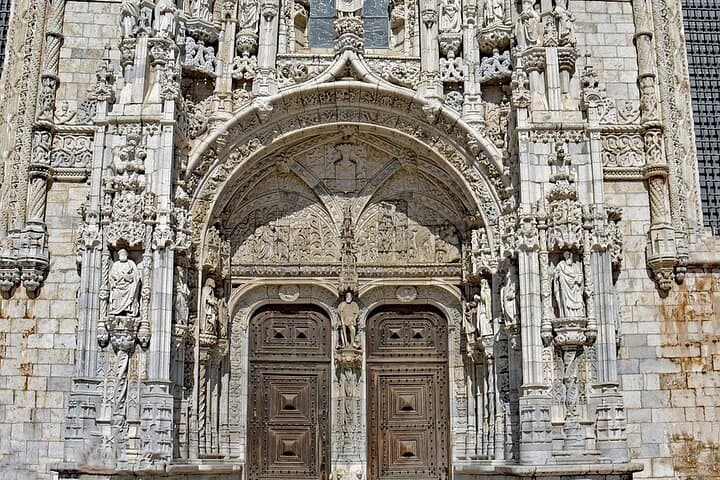
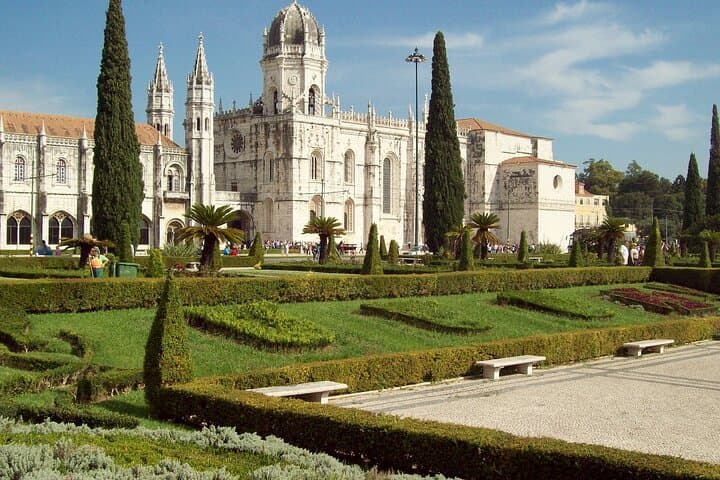
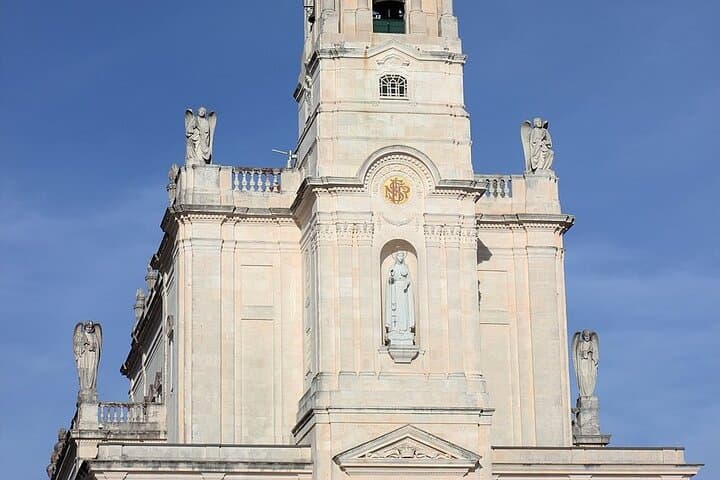
Geology shapes the coast at Nazaré; an underwater canyon funnels Atlantic swell into towering waves, while the fishing quarter clusters beneath a clifftop viewpoint accessed by funicular. Batalha’s monastery bears late-medieval Gothic flourishes and UNESCO-listed craftsmanship, a reminder of Portugal’s Age of Discovery. By evening you arrive in Fátima, a quiet grid of shrines, the Chapel of Apparitions and the basilica where pilgrims light candles and attend mass.
Practicalities are simple but important: expect roughly 1–1.5 hours driving between highlights and short walks (0.5–2 km) on cobbled streets and flat shrine plazas — minimal elevation gain but uneven footing. Dress respectfully for churches, bring layers for coastal winds and cool nights, and keep small bills for local cafés and offerings. Guided commentary usually covers history and ritual; you’ll have time to join mass, visit tombs, or walk processional routes. For an efficient, reflective two days, arrive rested, wear sturdy shoes, and leave room in your bag for a candle and a postcard.
easy.
2 days (approx. 48 hours).
Suitable for travelers in general good health; mostly short walks and standing during services.
Most sites visited on this day tour are public or covered by guided stops; specific monuments (like guided monastery rooms) rarely require separate advance tickets but check with the operator for any seasonal changes.
Yes—this itinerary involves short walks and coach travel; travelers with limited mobility should notify the operator ahead to confirm accessibility at each stop.
Yes—there is usually time to attend mass or participate in the shrine’s activities; check the day’s schedule and service times on arrival.
Expect short, managed walks of under 2 km at most sites; nothing requires sustained hiking, but cobblestones and stairs are common.
Fátima became an international pilgrimage site after reported Marian apparitions in 1917; Alcobaça and Batalha are major Cistercian and Gothic monuments dating to the 12th–14th centuries.
These historic sites manage large visitor numbers—stay on marked paths, avoid single-use plastics, and respect candle areas to reduce fire risk and preserve stone surfaces.
REMAZ TOURS GmbH operates guided outdoor trips and adventures with an emphasis on safety, stewardship, and memorable experiences.

A cool morning grabs the bus at Lisbon’s Pombal Square and the road pushes you north, past olive groves and low limestone ridges, toward a string of towns that read like chapters in Portugal’s past. You step into Óbidos and the town’s stone ramparts close around you — narrow streets, white houses, and the compact castle hotel above the tiled roofs. Later the spires of Alcobaça rise from the plain: a Cistercian monastery where stone keeps the story of D. Pedro and Inês.
A cool morning grabs the bus at Lisbon’s Pombal Square and the road pushes you north, past olive groves and low limestone ridges, toward a string of towns that read like chapters in Portugal’s past. You step into Óbidos and the town’s stone ramparts close around you — narrow streets, white houses, and the compact castle hotel above the tiled roofs. Later the spires of Alcobaça rise from the plain: a Cistercian monastery where stone keeps the story of D. Pedro and Inês.
Geology shapes the coast at Nazaré; an underwater canyon funnels Atlantic swell into towering waves, while the fishing quarter clusters beneath a clifftop viewpoint accessed by funicular. Batalha’s monastery bears late-medieval Gothic flourishes and UNESCO-listed craftsmanship, a reminder of Portugal’s Age of Discovery. By evening you arrive in Fátima, a quiet grid of shrines, the Chapel of Apparitions and the basilica where pilgrims light candles and attend mass.
Practicalities are simple but important: expect roughly 1–1.5 hours driving between highlights and short walks (0.5–2 km) on cobbled streets and flat shrine plazas — minimal elevation gain but uneven footing. Dress respectfully for churches, bring layers for coastal winds and cool nights, and keep small bills for local cafés and offerings. Guided commentary usually covers history and ritual; you’ll have time to join mass, visit tombs, or walk processional routes. For an efficient, reflective two days, arrive rested, wear sturdy shoes, and leave room in your bag for a candle and a postcard.