THE ADVENTURE COLLECTIVE® · Independent discovery and booking for outdoor travel

A brisk 2-day ascent to Fansipan offers raw high-mountain terrain, cloud-forest sections, and a summit that commands the Hoang Lien Son range. This guide covers what to expect—from altitude and terrain to practical gear and local context.
A brisk 2-day ascent to Fansipan offers raw high-mountain terrain, cloud-forest sections, and a summit that commands the Hoang Lien Son range. This guide covers what to expect—from altitude and terrain to practical gear and local context.
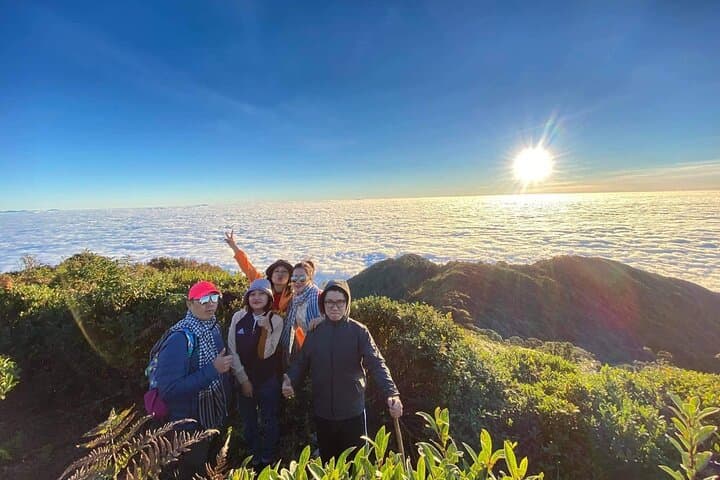
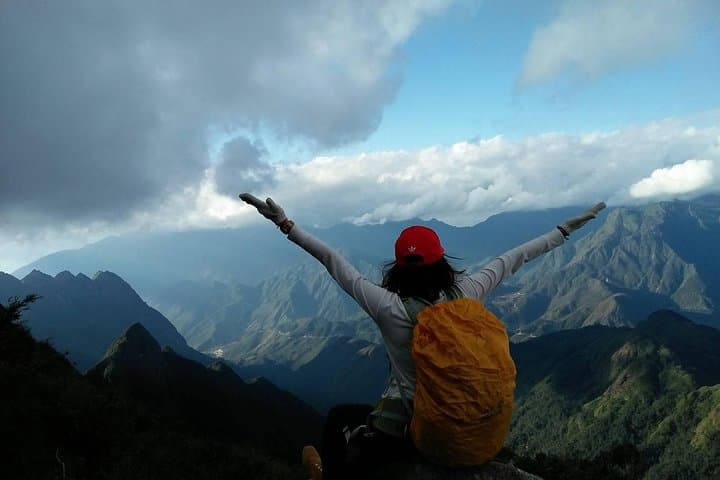
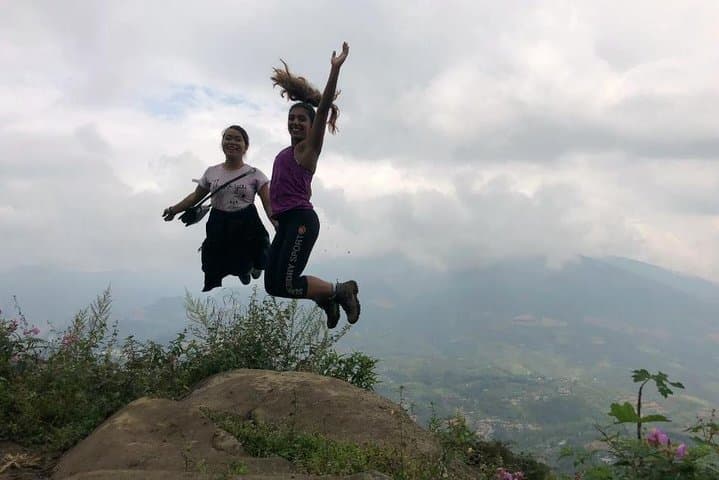
Dawn on the Hoang Lien Son slopes is thin and bright; breath fogs in the first light while pine-scented wind pushes you up switchbacks carved into moss and limestone. The trail climbs through cloud forest, past bamboo groves and terraces that belong to the valley below, until the ridge opens and the summit plateaus into raw stone and sky.
Verified experiences and guided adventures in the surrounding area.
Operated by Vietnam Nomad Trails · Sapa, Lao Cai
Dawn on the Hoang Lien Son slopes is thin and bright; breath fogs in the first light while pine-scented wind pushes you up switchbacks carved into moss and limestone. The trail climbs through cloud forest, past bamboo groves and terraces that belong to the valley below, until the ridge opens and the summit plateaus into raw stone and sky.
Fansipan (3,143 m) is the tallest point on the Indochina Peninsula. Geologically it’s part of the uplifted northern Vietnamese ranges shaped by tectonic collision and long erosion; culturally the approaches thread through Hmong and Dao villages where terraced rice and mountain markets mark traditional life. Tram Ton Pass is a common staging point, and many treks sleep at higher huts or camps near 2,800 m to break the ascent.
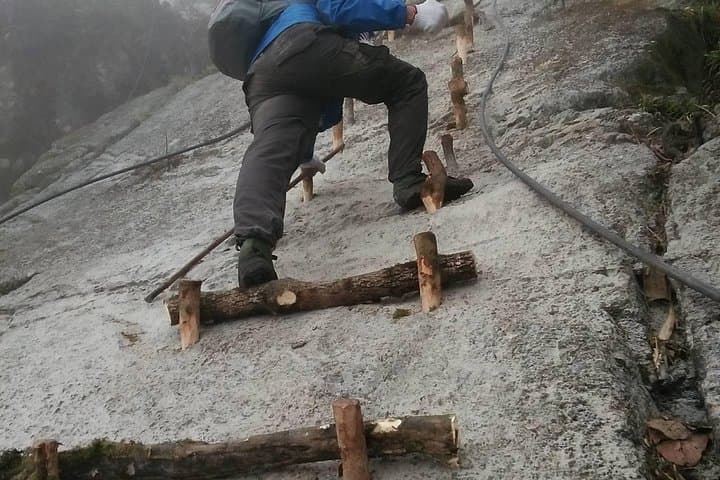
This 2-day itinerary is straightforward but firm: long uphill hours, a high overnight, and variable weather that can shift from sun to sleet in a few hours. Expect steep stone steps, muddy sections, and exposed ridgelines. Guides handle park permits, portage, and shelter arrangements; water provision and two lunches are typical inclusions.
Practical edge: acclimatize in Sapa for a day if you can, pack insulated layers and waterproofs, bring a headlamp, and choose sturdy midweight boots. Start early on summit day to avoid afternoon wind and watch footing on wet rock. Respect village customs, pack out waste, and conserve water where possible—the mountain welcomes strong, prepared hikers and repays them with sweeping valley views and a summit that feels like standing above Southeast Asia.
challenging.
2 days (approx. 48 hours).
Good cardiovascular fitness and comfort with sustained uphill hiking; ability to carry a daypack and tolerate basic overnight shelter.
Physically it’s challenging due to steep, sustained uphill sections and high overnight elevation, but no technical climbing skills are required; guided groups make it accessible to fit hikers.
Yes—park permissions and entrance fees are required and are typically handled by the tour operator or guide as part of the package.
Weather is variable: warm in valleys, cool to cold at altitude with possible rain, fog, or sleet—bring waterproof layers and warm insulation even in summer.
Both are possible—many itineraries use basic mountain huts or communal sleeping shelters and provide sleeping bags; check the operator’s accommodation specifics.
Fansipan lies within the Hoang Lien Son range, long traversed by ethnic Hmong and Dao communities who farm terraced rice and maintain distinctive textile traditions.
Trails are vulnerable to erosion and litter; stick to established paths, pack out waste, and support local guides who contribute to sustainable tourism.
Vietnam Nomad Trails operates guided outdoor trips and adventures with an emphasis on safety, stewardship, and memorable experiences.
Dawn on the Hoang Lien Son slopes is thin and bright; breath fogs in the first light while pine-scented wind pushes you up switchbacks carved into moss and limestone. The trail climbs through cloud forest, past bamboo groves and terraces that belong to the valley below, until the ridge opens and the summit plateaus into raw stone and sky.
Dawn on the Hoang Lien Son slopes is thin and bright; breath fogs in the first light while pine-scented wind pushes you up switchbacks carved into moss and limestone. The trail climbs through cloud forest, past bamboo groves and terraces that belong to the valley below, until the ridge opens and the summit plateaus into raw stone and sky.
Fansipan (3,143 m) is the tallest point on the Indochina Peninsula. Geologically it’s part of the uplifted northern Vietnamese ranges shaped by tectonic collision and long erosion; culturally the approaches thread through Hmong and Dao villages where terraced rice and mountain markets mark traditional life. Tram Ton Pass is a common staging point, and many treks sleep at higher huts or camps near 2,800 m to break the ascent.
This 2-day itinerary is straightforward but firm: long uphill hours, a high overnight, and variable weather that can shift from sun to sleet in a few hours. Expect steep stone steps, muddy sections, and exposed ridgelines. Guides handle park permits, portage, and shelter arrangements; water provision and two lunches are typical inclusions.
Practical edge: acclimatize in Sapa for a day if you can, pack insulated layers and waterproofs, bring a headlamp, and choose sturdy midweight boots. Start early on summit day to avoid afternoon wind and watch footing on wet rock. Respect village customs, pack out waste, and conserve water where possible—the mountain welcomes strong, prepared hikers and repays them with sweeping valley views and a summit that feels like standing above Southeast Asia.