THE ADVENTURE COLLECTIVE® · Independent discovery and booking for outdoor travel

Drive the Ethiopian flank of the Great Rift across crater lakes, UNESCO steles and shorelines pulsing with birds. This two-day private tour combines short walks, cultural encounters and wildlife viewing with expert local guides.
Drive the Ethiopian flank of the Great Rift across crater lakes, UNESCO steles and shorelines pulsing with birds. This two-day private tour combines short walks, cultural encounters and wildlife viewing with expert local guides.
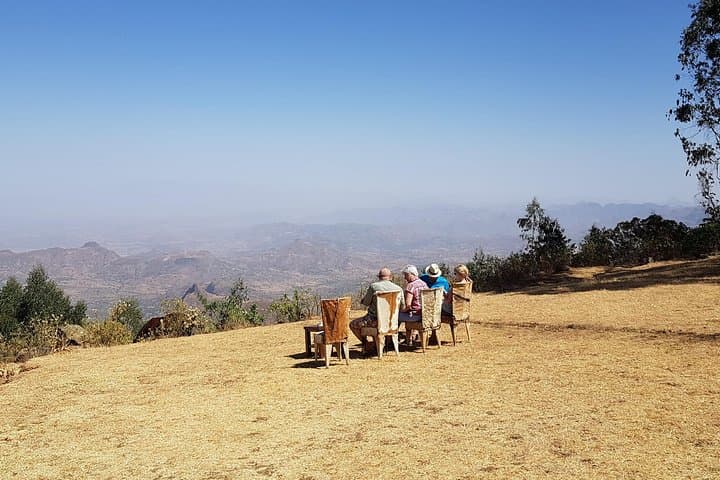
Sunlight slips over the rim of the Great East African Rift, painting the lakes a hard, bright silver as the minivan threads down the valley. You step out at a roadside outlook and the floor of the rift opens beneath you—steep escarpments, wide basins, and a chain of shallow lakes that collect the sky.
Verified experiences and guided adventures in the surrounding area.
Operated by Merit Ethiopian Experience Tours · Addis Ababa, Oromia Region
Sunlight slips over the rim of the Great East African Rift, painting the lakes a hard, bright silver as the minivan threads down the valley. You step out at a roadside outlook and the floor of the rift opens beneath you—steep escarpments, wide basins, and a chain of shallow lakes that collect the sky.
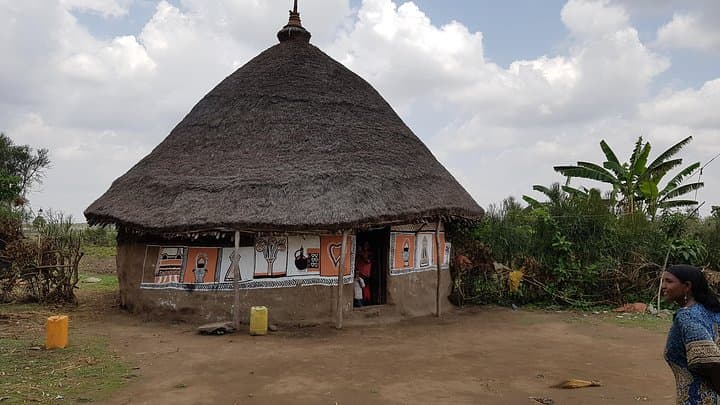
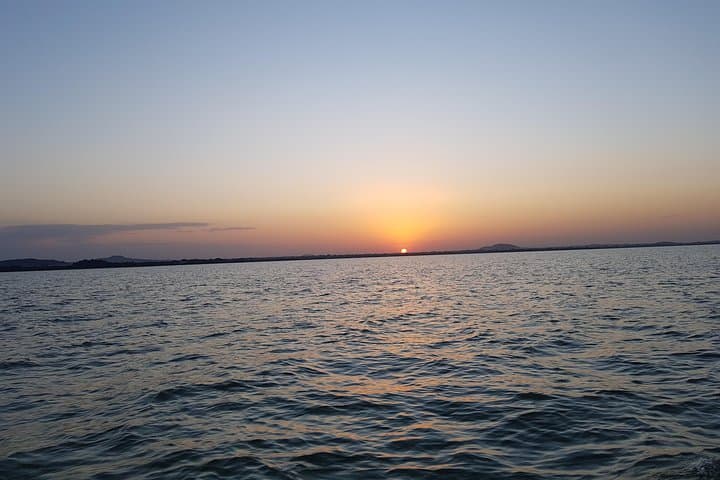
This two-day circuit moves between culture and ecology. The UNESCO steles at Tiya mark medieval burials and local heroes; Melka Kunture’s open-air site recalls toolmakers from nearly two million years ago. Geologically, the Rift is a major fault line where crust is pulling apart, creating the long basins that now hold Ziway, Abiyatta and Shalla. Culturally, the area is a crossroads—Oromo villages, a Jamaican Rastafarian community in Shashemene, and coffee ceremonies that still pace daily life.
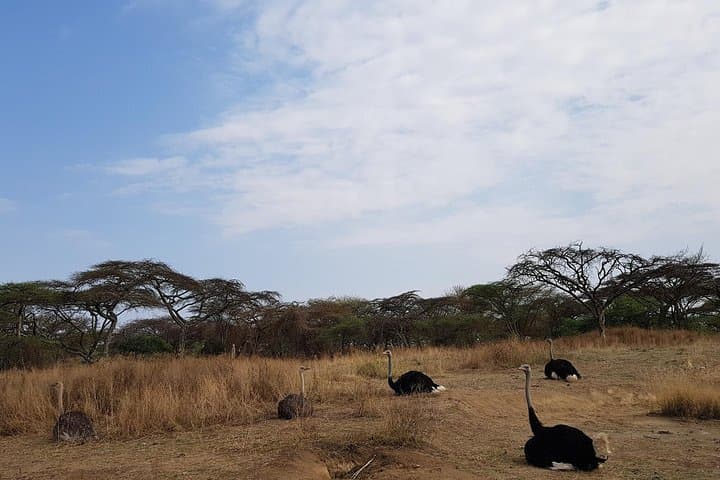
Birdlife dominates the soundscape: pelicans and African fish eagles patrol the shallows while hippos graze at dusk. Abiyatta-Shalla National Park offers short walks to see ostriches, gazelles and shoreline waders; thermal springs farther south are used by locals for traditional remedies.
Practical note: the trip is vehicle-led with short, flat walks—expect long drives (≈580 km total) and variable road surfaces. Pack binoculars, sun protection and modest clothing for church visits; carry water and wear closed shoes for park walks. Rain is likeliest June–mid-September, so plan for muddy stops. With basic fitness and curiosity, this route delivers a compact, sensory-rich introduction to the Ethiopian Rift’s landscape, wildlife and living traditions.
easy.
2 days.
Suitable for travelers with basic mobility; requires short flat walks and ability to get in/out of a vehicle multiple times
Shoreline hippos are commonly seen at dawn or dusk at Lake Ziway; waterbirds like pelicans and fish eagles are frequent during both days, though exact sightings depend on water levels and season.
Yes—driving reduces physical strain and walks are short; however long vehicle hours may be tiring for very young children or travelers with mobility or cardiovascular issues.
No special permits, but modest dress is required inside rock-hewn churches—women should cover shoulders and hair as a sign of respect.
The operator runs the tour year-round; in the rainy season some stops may be adjusted for road conditions, so flexible scheduling is used when necessary.
The Tiya steles date to roughly the 12th–14th centuries AD and are recognized by UNESCO for their carved grave markers tied to local medieval societies.
Abiyatta-Shalla and the Rift lakes face pressure from irrigation and invasive species; visitors are asked to follow park rules, avoid feeding wildlife and limit disturbance to shorelines.
Merit Ethiopian Experience Tours operates guided outdoor trips and adventures with an emphasis on safety, stewardship, and memorable experiences.
Sunlight slips over the rim of the Great East African Rift, painting the lakes a hard, bright silver as the minivan threads down the valley. You step out at a roadside outlook and the floor of the rift opens beneath you—steep escarpments, wide basins, and a chain of shallow lakes that collect the sky.
Sunlight slips over the rim of the Great East African Rift, painting the lakes a hard, bright silver as the minivan threads down the valley. You step out at a roadside outlook and the floor of the rift opens beneath you—steep escarpments, wide basins, and a chain of shallow lakes that collect the sky.
This two-day circuit moves between culture and ecology. The UNESCO steles at Tiya mark medieval burials and local heroes; Melka Kunture’s open-air site recalls toolmakers from nearly two million years ago. Geologically, the Rift is a major fault line where crust is pulling apart, creating the long basins that now hold Ziway, Abiyatta and Shalla. Culturally, the area is a crossroads—Oromo villages, a Jamaican Rastafarian community in Shashemene, and coffee ceremonies that still pace daily life.
Birdlife dominates the soundscape: pelicans and African fish eagles patrol the shallows while hippos graze at dusk. Abiyatta-Shalla National Park offers short walks to see ostriches, gazelles and shoreline waders; thermal springs farther south are used by locals for traditional remedies.
Practical note: the trip is vehicle-led with short, flat walks—expect long drives (≈580 km total) and variable road surfaces. Pack binoculars, sun protection and modest clothing for church visits; carry water and wear closed shoes for park walks. Rain is likeliest June–mid-September, so plan for muddy stops. With basic fitness and curiosity, this route delivers a compact, sensory-rich introduction to the Ethiopian Rift’s landscape, wildlife and living traditions.