THE ADVENTURE COLLECTIVE® · Independent discovery and booking for outdoor travel

A fast-paced two-day circuit through three UNESCO-caliber sites: walk Roman avenues at Ephesus, explore Aphrodisias’ sculpted marble, then feel the warm waters and surreal white terraces of Pamukkale. Perfect for travelers who want concentrated history and dramatic geology in a single trip.
A fast-paced two-day circuit through three UNESCO-caliber sites: walk Roman avenues at Ephesus, explore Aphrodisias’ sculpted marble, then feel the warm waters and surreal white terraces of Pamukkale. Perfect for travelers who want concentrated history and dramatic geology in a single trip.
Before dawn you leave Istanbul; the air is cool on the bus and the city lights retreat as a short domestic flight delivers you to the Aegean coast. By midmorning the marble streets of Ephesus catch the sun and the past becomes tactile — columns climbing into the sky, amphitheaters that still hold an echo of voices, mosaics underfoot that survived centuries of weather and war.
Verified experiences and guided adventures in the surrounding area.
Operated by Puerto Travel Turkey · Selçuk, İzmir Province
Before dawn you leave Istanbul; the air is cool on the bus and the city lights retreat as a short domestic flight delivers you to the Aegean coast. By midmorning the marble streets of Ephesus catch the sun and the past becomes tactile — columns climbing into the sky, amphitheaters that still hold an echo of voices, mosaics underfoot that survived centuries of weather and war.
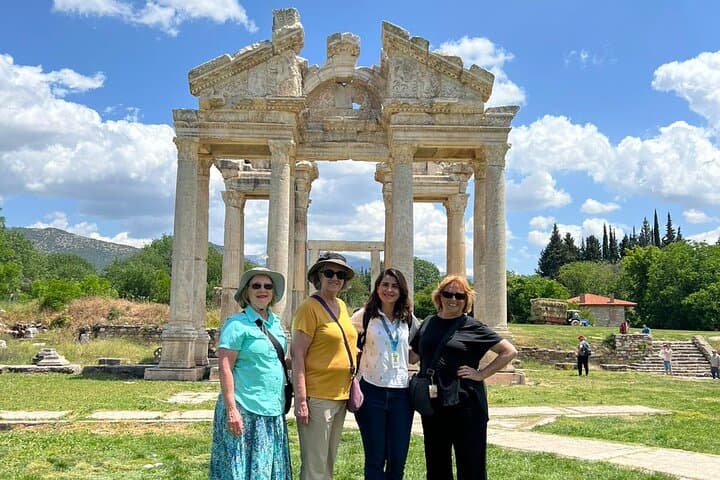
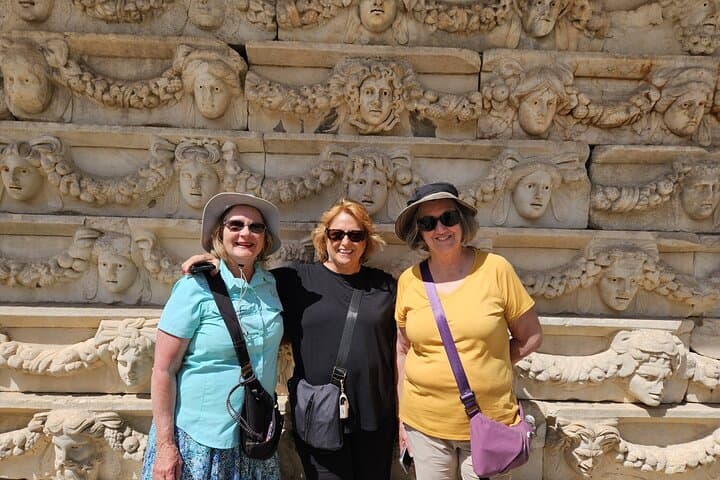
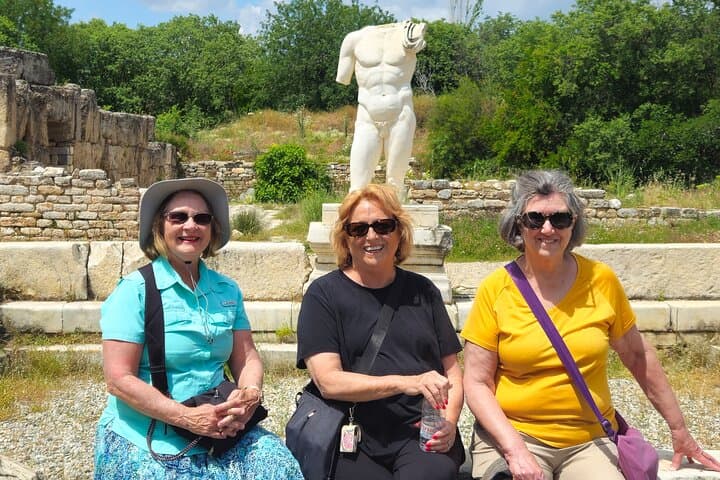
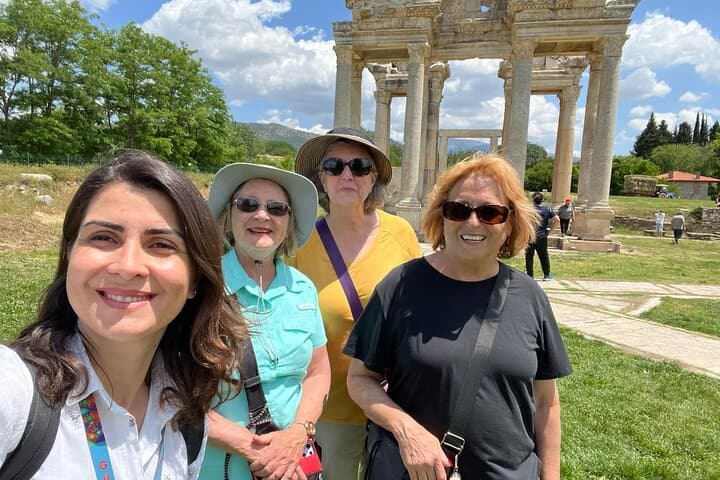
This compact two-day route stitches three very different chapters of Anatolian history. Ephesus offers Roman urbanism in full view: the Library of Celsus, the Great Theatre and intimate Terrace Houses. Aphrodisias, set among olive groves, speaks in carved marble — a city built by sculptors from a local quarry and dedicated to Aphrodite. Pamukkale and nearby Hierapolis shift the focus from stone to water: calcium-rich springs build white travertine terraces while warm pools were once an ancient spa culture. Cultural layers here are deep; pagan sanctuaries, Christian pilgrimage sites like the House of the Virgin Mary, and Ottoman-era towns all overlap.
Practical side: this is a guided, vehicle-supported tour with early starts and moderate walking on uneven surfaces and many stairs. Expect long walking periods on ancient marble, loose gravel, and soft, warm travertine where you’ll often remove shoes. Wear sturdy, grippy shoes, carry a small daypack with water, sun protection and swimwear, and allow time to move between sites — transfers and short flights are part of the itinerary. Timing your photos for morning or late afternoon soft light improves visibility and avoids crowds. Moderately fit travelers who can handle stairs and some standing will get the most from the experience.
moderate.
2 days.
Moderately fit: comfortable walking 3–5 miles per day with stairs and uneven surfaces
Some options include entrance fees; check the booking option — otherwise, plan to pay on-site for some monuments and the Pamukkale terraces.
No — barefoot access is allowed only on designated terraces and paths to protect the formations; follow signage and your guide’s instructions.
No — many ancient sites have stairs, uneven stone and loose surfaces; accessibility is limited despite vehicle access for transfers.
Expect several hours of walking per day across ruins and terrain — roughly 3–5 miles total daily with frequent stops for interpretation.
This corridor of western Anatolia was a crossroads of Hellenistic, Roman and Byzantine civilizations; marble from local quarries built imperial monuments across the empire.
Pamukkale’s travertines are fragile and protected; visitor rules limit footwear and bathing areas to reduce erosion and preserve mineral formations.
Puerto Travel Turkey operates guided outdoor trips and adventures with an emphasis on safety, stewardship, and memorable experiences.
Before dawn you leave Istanbul; the air is cool on the bus and the city lights retreat as a short domestic flight delivers you to the Aegean coast. By midmorning the marble streets of Ephesus catch the sun and the past becomes tactile — columns climbing into the sky, amphitheaters that still hold an echo of voices, mosaics underfoot that survived centuries of weather and war.
Before dawn you leave Istanbul; the air is cool on the bus and the city lights retreat as a short domestic flight delivers you to the Aegean coast. By midmorning the marble streets of Ephesus catch the sun and the past becomes tactile — columns climbing into the sky, amphitheaters that still hold an echo of voices, mosaics underfoot that survived centuries of weather and war.
This compact two-day route stitches three very different chapters of Anatolian history. Ephesus offers Roman urbanism in full view: the Library of Celsus, the Great Theatre and intimate Terrace Houses. Aphrodisias, set among olive groves, speaks in carved marble — a city built by sculptors from a local quarry and dedicated to Aphrodite. Pamukkale and nearby Hierapolis shift the focus from stone to water: calcium-rich springs build white travertine terraces while warm pools were once an ancient spa culture. Cultural layers here are deep; pagan sanctuaries, Christian pilgrimage sites like the House of the Virgin Mary, and Ottoman-era towns all overlap.
Practical side: this is a guided, vehicle-supported tour with early starts and moderate walking on uneven surfaces and many stairs. Expect long walking periods on ancient marble, loose gravel, and soft, warm travertine where you’ll often remove shoes. Wear sturdy, grippy shoes, carry a small daypack with water, sun protection and swimwear, and allow time to move between sites — transfers and short flights are part of the itinerary. Timing your photos for morning or late afternoon soft light improves visibility and avoids crowds. Moderately fit travelers who can handle stairs and some standing will get the most from the experience.