THE ADVENTURE COLLECTIVE® · Independent discovery and booking for outdoor travel

A compact, small‑group itinerary that pairs the marble streets of Ephesus with the otherworldly terraces and thermal pools of Pamukkale. Two full days of guided archaeology, hot springs and practical logistics for travelers on a tight schedule.
A compact, small‑group itinerary that pairs the marble streets of Ephesus with the otherworldly terraces and thermal pools of Pamukkale. Two full days of guided archaeology, hot springs and practical logistics for travelers on a tight schedule.
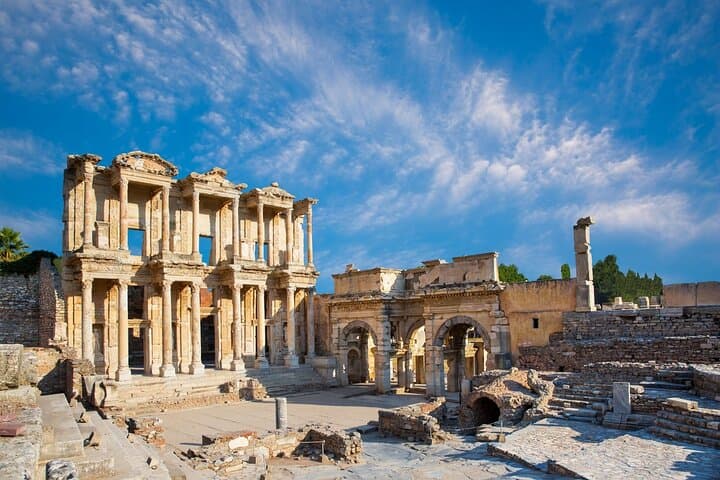
You step off an early domestic flight into Aegean light and a cool, sea-salted breeze — by midmorning you are walking the marble spine of Ephesus, where Roman steps rise underfoot and the amphitheatre looms like a practiced audience. The city moves at human scale: stone streets that once carried traders, marble columns that still catch the sun.
Verified experiences and guided adventures in the surrounding area.
Operated by BEST TURKEY TOUR · Kusadasi, Aydin
You step off an early domestic flight into Aegean light and a cool, sea-salted breeze — by midmorning you are walking the marble spine of Ephesus, where Roman steps rise underfoot and the amphitheatre looms like a practiced audience. The city moves at human scale: stone streets that once carried traders, marble columns that still catch the sun.
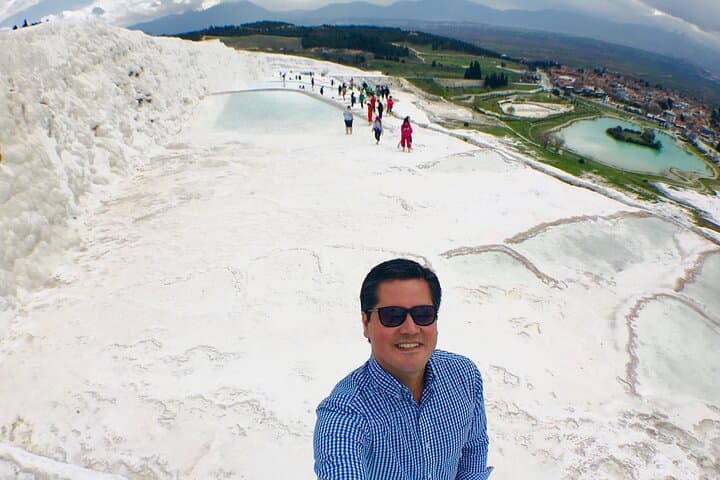
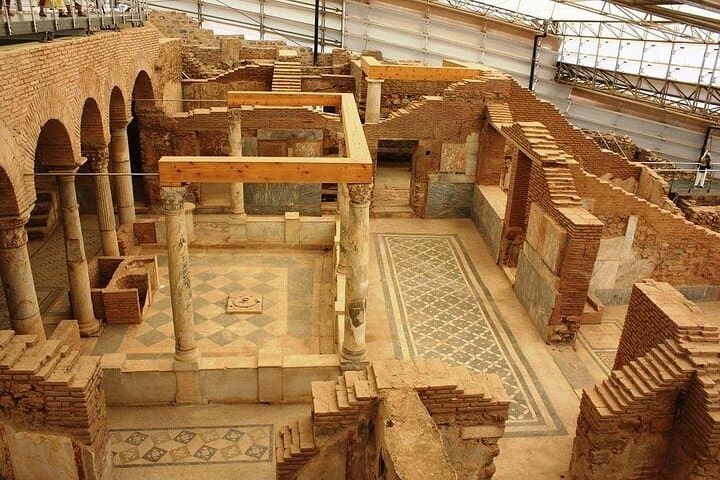
Ephesus and Pamukkale occupy two different geologic stories. Ephesus is Greco‑Roman clay and marble, a commercial port turned archaeological classroom; Hierapolis and Pamukkale are the work of mineral-rich springs, travertine terraces built over millennia. Culturally you pass from St. Paul’s pulpit and the House of the Virgin Mary to late‑Hellenistic spa culture where Romans came for cures.
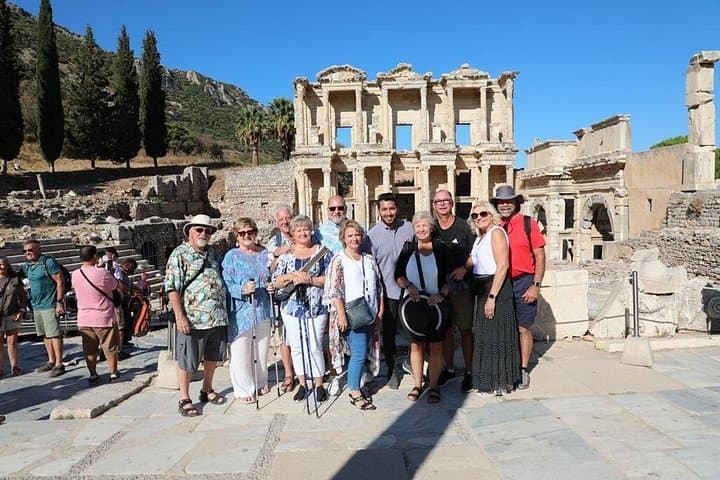
Expect 2–4 km of walking each day on uneven marble, stone and calcium crust; some short climbs and steps, but no technical sections. Small groups (max 15) keep explanations and movement efficient. You’ll overnight in Kuşadası, travel by short flights (Istanbul–Izmir early morning, Denizli–Istanbul evening), and spend time barefoot on the protected white terraces — a tactile reminder that the landscape is fragile.
Practical notes: bring sturdy shoes for ruins and a daypack for water, passport copies for domestic flights, and cash for the optional Cleopatra Antique Pool (small fee). Aim to arrive in Izmir around 08:00 and expect return flights from Denizli late afternoon to evening. The tour pairs archaeological detail with thermal spectacle — hands‑on history and a landscape that keeps nudging you forward.
moderate.
2 days.
Suitable for travelers in average physical condition who can walk 2–4 km on uneven ground and climb steps repeatedly.
Yes. The operator requires passport copies to book domestic flights; send them promptly after booking to avoid disruptions.
No. Swimming in the Antique Pool is optional and typically charged locally (around 50 TRY, subject to change).
Plan for 2–4 km of walking each day across uneven marble, stone and travertine, with multiple stairs and short climbs at archaeological sites.
The tour lists wheelchair accessible transport and some access accommodations, but many ruins and travertine areas have uneven surfaces and may be challenging—contact the operator to discuss specific needs.
Ephesus grew into a major Roman port and provincial capital; Hierapolis developed around thermal springs and functioned as a spa city from the Hellenistic period into Roman times.
Pamukkale’s terraces are protected—walking is restricted to designated paths and barefoot to limit damage; avoid sunscreens or soaps in thermal waters and follow site rules to preserve mineral formations.
BEST TURKEY TOUR operates guided outdoor trips and adventures with an emphasis on safety, stewardship, and memorable experiences.
You step off an early domestic flight into Aegean light and a cool, sea-salted breeze — by midmorning you are walking the marble spine of Ephesus, where Roman steps rise underfoot and the amphitheatre looms like a practiced audience. The city moves at human scale: stone streets that once carried traders, marble columns that still catch the sun.
You step off an early domestic flight into Aegean light and a cool, sea-salted breeze — by midmorning you are walking the marble spine of Ephesus, where Roman steps rise underfoot and the amphitheatre looms like a practiced audience. The city moves at human scale: stone streets that once carried traders, marble columns that still catch the sun.
Ephesus and Pamukkale occupy two different geologic stories. Ephesus is Greco‑Roman clay and marble, a commercial port turned archaeological classroom; Hierapolis and Pamukkale are the work of mineral-rich springs, travertine terraces built over millennia. Culturally you pass from St. Paul’s pulpit and the House of the Virgin Mary to late‑Hellenistic spa culture where Romans came for cures.
Expect 2–4 km of walking each day on uneven marble, stone and calcium crust; some short climbs and steps, but no technical sections. Small groups (max 15) keep explanations and movement efficient. You’ll overnight in Kuşadası, travel by short flights (Istanbul–Izmir early morning, Denizli–Istanbul evening), and spend time barefoot on the protected white terraces — a tactile reminder that the landscape is fragile.
Practical notes: bring sturdy shoes for ruins and a daypack for water, passport copies for domestic flights, and cash for the optional Cleopatra Antique Pool (small fee). Aim to arrive in Izmir around 08:00 and expect return flights from Denizli late afternoon to evening. The tour pairs archaeological detail with thermal spectacle — hands‑on history and a landscape that keeps nudging you forward.