THE ADVENTURE COLLECTIVE® · Independent discovery and booking for outdoor travel

A private 2-day itinerary that pairs UNESCO-listed Mogao with the shifting dunes of Mingsha Shan and the wind-sculpted Yadan formations. Ideal for travelers who want history, geology, and desert spectacle with the convenience of a private guide and vehicle.
A private 2-day itinerary that pairs UNESCO-listed Mogao with the shifting dunes of Mingsha Shan and the wind-sculpted Yadan formations. Ideal for travelers who want history, geology, and desert spectacle with the convenience of a private guide and vehicle.
You step out of a low-slung hotel into a dry, wind-swept morning and the city of Dunhuang opens like a crossroads of eras: camels still silhouette the dunes while a UNESCO site hums with the weight of centuries. Day one places you at the Mogao Grottoes, where narrow corridors lead to painted caves and sculptures carved between the 4th and 14th centuries—walls that have watched Silk Road caravans pass, fade, and be rediscovered.
Verified experiences and guided adventures in the surrounding area.
Operated by Jeff Ning China Tour · Dunhuang, Gansu
You step out of a low-slung hotel into a dry, wind-swept morning and the city of Dunhuang opens like a crossroads of eras: camels still silhouette the dunes while a UNESCO site hums with the weight of centuries. Day one places you at the Mogao Grottoes, where narrow corridors lead to painted caves and sculptures carved between the 4th and 14th centuries—walls that have watched Silk Road caravans pass, fade, and be rediscovered.
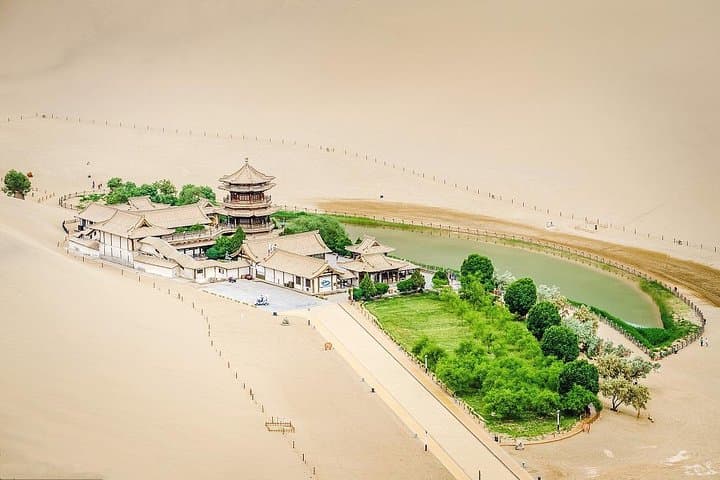
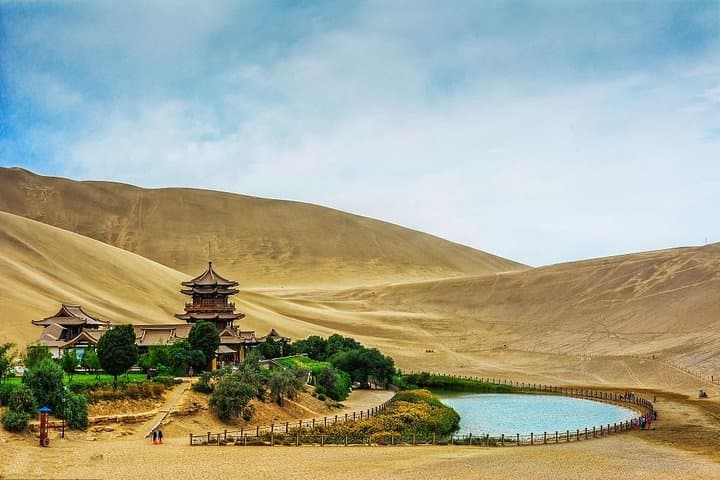
The landscape changes from frescoed grotto to rolling sand. Mingsha Shan, the Echoing-Sand Mountain, challenges you with soft slopes and a wind that seems to push you up; many visitors trade steps for camel backs to reach the dune crest and the Crescent Moon Pool, an unlikely lens of water that keeps its shape despite shifting sand.
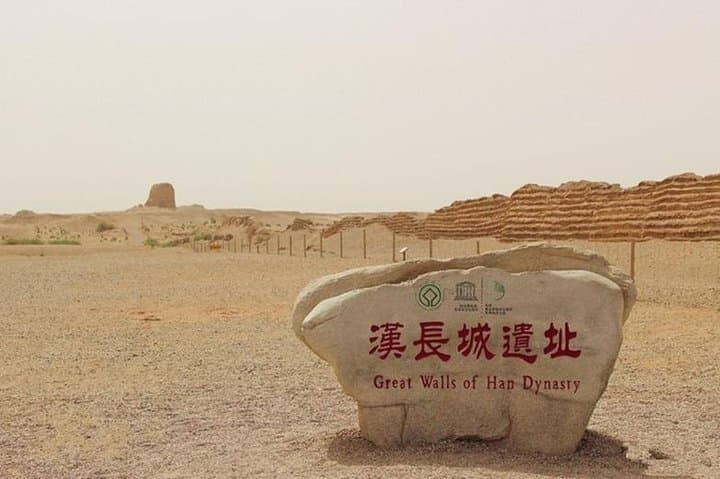
On day two you’ll read geological chapters in Yadan National Geological Park—wind-sculpted pillars and mushroom rocks that suggest frozen waves—and stand at Yumen Pass where the Han dynasty’s frontier stacks human ambition against the desert.
Practicalities are straightforward: the tour is private and vehicle-supported, making long transfers manageable. Expect unpaved trails at Yadan, stairs at Mogao, and strong sun on dunes. Bring sun protection, extra water, and comfortable shoes with grip for sand and stone. Photography is restricted inside many Mogao caves; follow your guide’s rules to protect fragile pigments. Time your visits for morning light at the grottoes and late afternoon at the dunes for cooler temperatures and softer shadows.
moderate.
2 days.
Light to moderate walking ability; participants should be able to climb stairs and walk short distances over sand and uneven rock.
Photography is restricted inside many caves to protect pigments—your guide will indicate which caves allow photos and when flash is forbidden.
Camel rides are short and seated; they reduce the need to climb dunes on foot, but you should be comfortable mounting and dismounting from a raised saddle.
Yes—this private tour accommodates a range of ages, but it’s not recommended for travelers with serious spinal or cardiovascular issues and involves some stairs and uneven walking.
April to October offers milder weather and easier access; summer is hottest while spring and fall provide more comfortable daytime temperatures.
Dunhuang was a major Silk Road hub; the Mogao Grottoes house Buddhist art spanning the 4th–14th centuries and Yumen Pass marks a Han dynasty frontier and trade gateway.
Mogao enforces strict visitation limits and no-flash policies to protect fragile murals; stick to marked paths in Yadan Park to prevent erosion and preserve rock formations.
Jeff Ning China Tour operates guided outdoor trips and adventures with an emphasis on safety, stewardship, and memorable experiences.
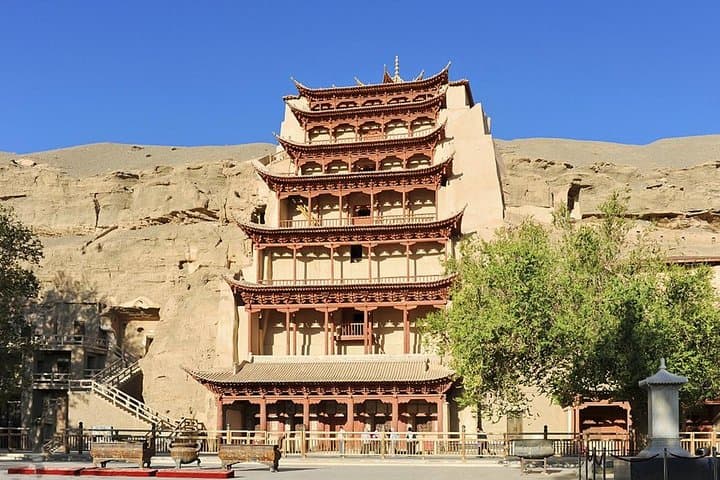
You step out of a low-slung hotel into a dry, wind-swept morning and the city of Dunhuang opens like a crossroads of eras: camels still silhouette the dunes while a UNESCO site hums with the weight of centuries. Day one places you at the Mogao Grottoes, where narrow corridors lead to painted caves and sculptures carved between the 4th and 14th centuries—walls that have watched Silk Road caravans pass, fade, and be rediscovered.
You step out of a low-slung hotel into a dry, wind-swept morning and the city of Dunhuang opens like a crossroads of eras: camels still silhouette the dunes while a UNESCO site hums with the weight of centuries. Day one places you at the Mogao Grottoes, where narrow corridors lead to painted caves and sculptures carved between the 4th and 14th centuries—walls that have watched Silk Road caravans pass, fade, and be rediscovered.
The landscape changes from frescoed grotto to rolling sand. Mingsha Shan, the Echoing-Sand Mountain, challenges you with soft slopes and a wind that seems to push you up; many visitors trade steps for camel backs to reach the dune crest and the Crescent Moon Pool, an unlikely lens of water that keeps its shape despite shifting sand.
On day two you’ll read geological chapters in Yadan National Geological Park—wind-sculpted pillars and mushroom rocks that suggest frozen waves—and stand at Yumen Pass where the Han dynasty’s frontier stacks human ambition against the desert.
Practicalities are straightforward: the tour is private and vehicle-supported, making long transfers manageable. Expect unpaved trails at Yadan, stairs at Mogao, and strong sun on dunes. Bring sun protection, extra water, and comfortable shoes with grip for sand and stone. Photography is restricted inside many Mogao caves; follow your guide’s rules to protect fragile pigments. Time your visits for morning light at the grottoes and late afternoon at the dunes for cooler temperatures and softer shadows.