THE ADVENTURE COLLECTIVE® · Independent discovery and booking for outdoor travel

Two UNESCO icons in one weekend: visit the ancient oracle of Delphi and the cliff‑top monasteries of Meteora on a guided 2‑day tour from Athens. Expect scenic drives, stairs, and concentrated cultural highlights with overnight accommodation in Kalambaka.
Two UNESCO icons in one weekend: visit the ancient oracle of Delphi and the cliff‑top monasteries of Meteora on a guided 2‑day tour from Athens. Expect scenic drives, stairs, and concentrated cultural highlights with overnight accommodation in Kalambaka.
You climb aboard in central Athens before dawn and the highway swallows the city lights. By mid-morning the bus drops you on the slopes of Mount Parnassus and the ruins of Delphi unfold: stepped terraces, the stone theatre, and the Treasury of the Athenians framing a view that once guided decisions for an empire. The wind seems to nudge the marble, whispering of prophecies given by the Pythia.
Verified experiences and guided adventures in the surrounding area.
Operated by Filippis Tours · Athens, Attica
You climb aboard in central Athens before dawn and the highway swallows the city lights. By mid-morning the bus drops you on the slopes of Mount Parnassus and the ruins of Delphi unfold: stepped terraces, the stone theatre, and the Treasury of the Athenians framing a view that once guided decisions for an empire. The wind seems to nudge the marble, whispering of prophecies given by the Pythia.
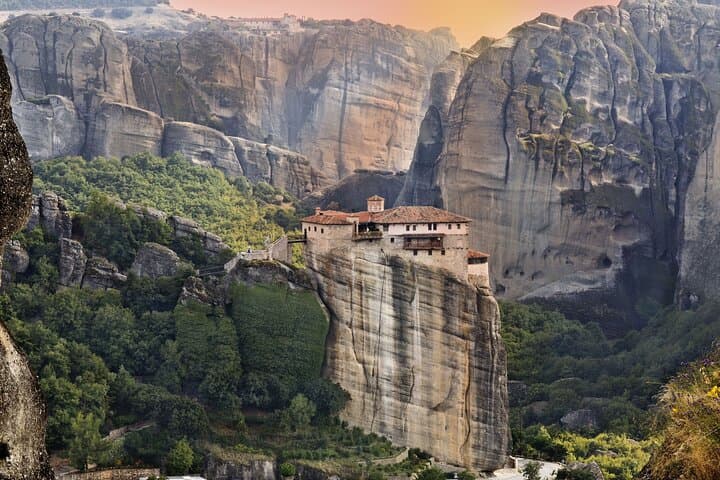
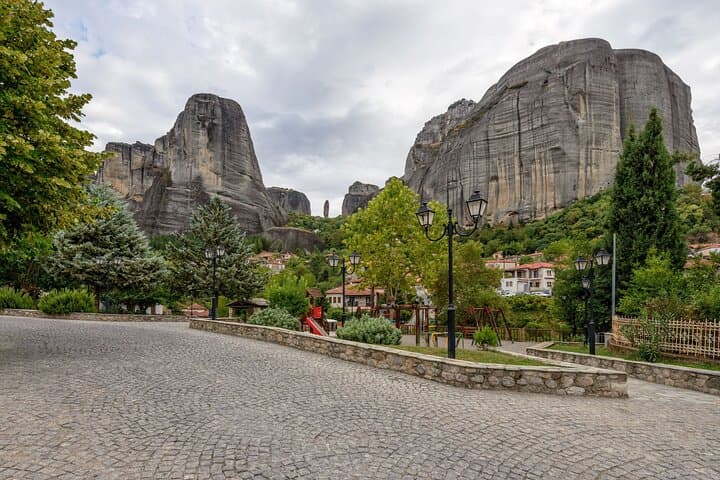
Geology and faith meet again on day two as you travel north to Kalambaka. The Meteora rock pillars rise like folded columns of sandstone and conglomerate, formed by river deposits and later uplifted and carved by erosion. Byzantine monks hauled up icons and manuscripts to create monasteries atop these spires — places of prayer, refuge, and rare frescoes.
Cultural layers are immediate: modern Greek villages like Arachova and Kalambaka offer tavernas and sturdy hospitality; Thermopylae’s roadside memorial reminds visitors of later chapters in Greek history. Expect substantial bus time between sites — the tour balances cradle-to-cliff archaeology with practical pacing.
Practical guidance: wear supportive footwear and be ready for stairs at both Delphi and the Meteora monasteries; modest clothing is required inside monasteries. Carry water, a light layered jacket, and a day pack for camera, sunscreen, and personal items. If you want more walking time, consider an extra night in Kalambaka to hike trails beneath the pillars and watch the light change on the rocks at sunset.
moderate.
2 days.
Suitable for travelers in average fitness who can manage stairs and short uphill walks; long bus transfers require patience.
Expect moderate walking — paved and stepped paths at Delphi and stone approaches to Meteora monasteries; each on-site visit lasts roughly 1–1.5 hours.
Admission for two Meteora monasteries and the Delphi archaeological site is included in the tour price as described in the inclusions.
Yes — the tour includes 3* or 4* accommodation in Kalambaka; you can choose to extend your stay locally if you want more hiking time.
The tour is family-friendly but not ideal for travelers with significant mobility limitations due to stairs and uneven surfaces at sites.
Delphi was the religious and political center of the ancient Greek world where the Pythia delivered oracles; Meteora’s monasteries were built from the 14th century onward as remote monastic communities.
Meteora and Delphi are protected sites with visitor limits at some monasteries — stick to marked paths, avoid removing artifacts, and support local businesses to sustain the area's heritage.
Filippis Tours operates guided outdoor trips and adventures with an emphasis on safety, stewardship, and memorable experiences.
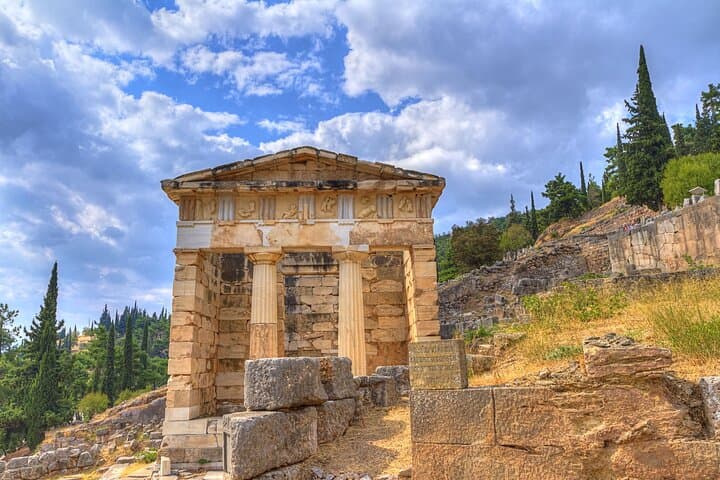
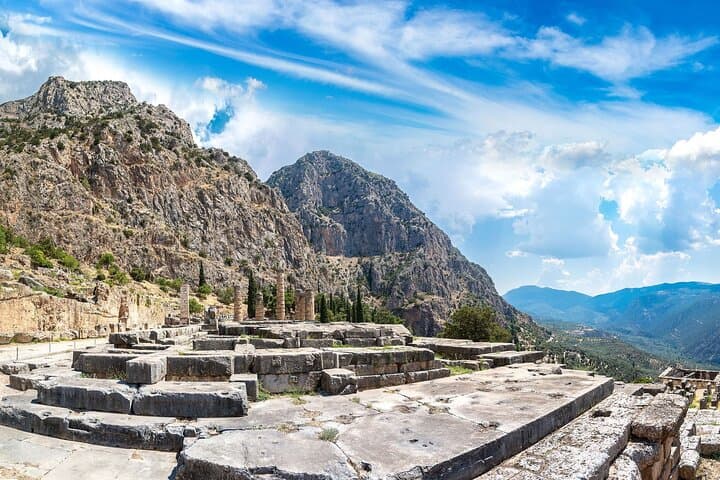
You climb aboard in central Athens before dawn and the highway swallows the city lights. By mid-morning the bus drops you on the slopes of Mount Parnassus and the ruins of Delphi unfold: stepped terraces, the stone theatre, and the Treasury of the Athenians framing a view that once guided decisions for an empire. The wind seems to nudge the marble, whispering of prophecies given by the Pythia.
You climb aboard in central Athens before dawn and the highway swallows the city lights. By mid-morning the bus drops you on the slopes of Mount Parnassus and the ruins of Delphi unfold: stepped terraces, the stone theatre, and the Treasury of the Athenians framing a view that once guided decisions for an empire. The wind seems to nudge the marble, whispering of prophecies given by the Pythia.
Geology and faith meet again on day two as you travel north to Kalambaka. The Meteora rock pillars rise like folded columns of sandstone and conglomerate, formed by river deposits and later uplifted and carved by erosion. Byzantine monks hauled up icons and manuscripts to create monasteries atop these spires — places of prayer, refuge, and rare frescoes.
Cultural layers are immediate: modern Greek villages like Arachova and Kalambaka offer tavernas and sturdy hospitality; Thermopylae’s roadside memorial reminds visitors of later chapters in Greek history. Expect substantial bus time between sites — the tour balances cradle-to-cliff archaeology with practical pacing.
Practical guidance: wear supportive footwear and be ready for stairs at both Delphi and the Meteora monasteries; modest clothing is required inside monasteries. Carry water, a light layered jacket, and a day pack for camera, sunscreen, and personal items. If you want more walking time, consider an extra night in Kalambaka to hike trails beneath the pillars and watch the light change on the rocks at sunset.