THE ADVENTURE COLLECTIVE® · Independent discovery and booking for outdoor travel

A tightly paced, private two-day itinerary that pairs a guided Cusco city and Sacred Valley tour with a full-day visit to Machu Picchu—train travel, entrances, lodging and transfers included. Perfect for travelers who want history and convenience in a compact window.
A tightly paced, private two-day itinerary that pairs a guided Cusco city and Sacred Valley tour with a full-day visit to Machu Picchu—train travel, entrances, lodging and transfers included. Perfect for travelers who want history and convenience in a compact window.
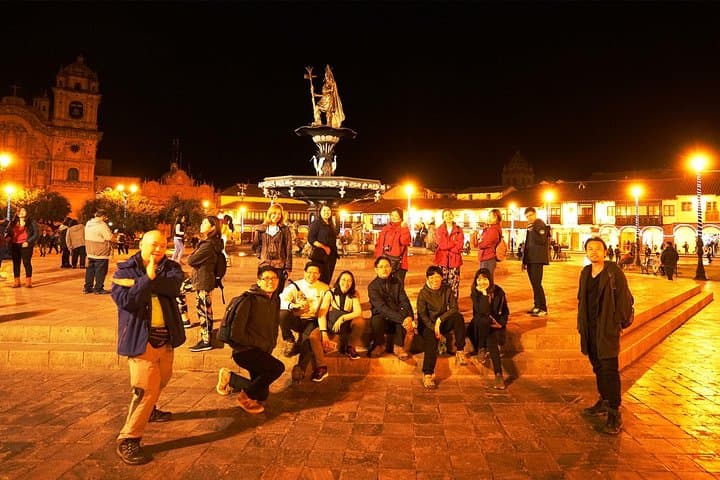
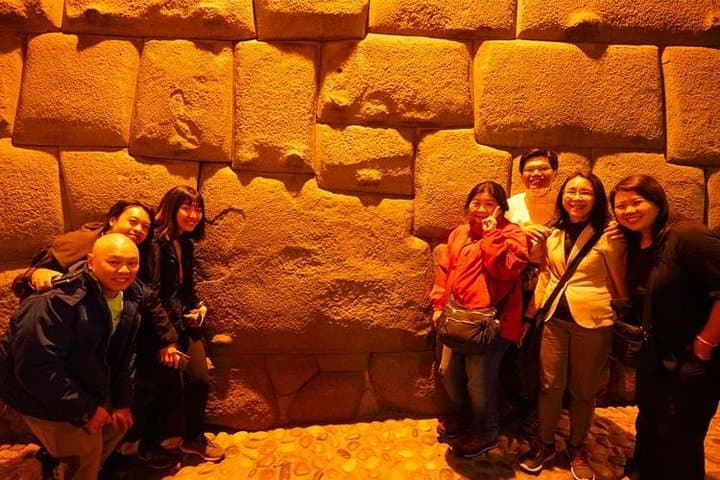
The morning light in Cusco cuts clean across stone streets, and the city exhales a slow, high-altitude rhythm that carries you toward the Sacred Valley. On day one a guide meets you in a private vehicle and steers through terraces and cobbled plazas—Sacsayhuamán’s massive carved stones loom above the city, Q’enqo’s carved amphitheater still holding ritual echoes, and Tambomachay’s channels murmur cold mountain water.
Verified experiences and guided adventures in the surrounding area.
Operated by Qorysun Travel · Cusco, Cusco Region
The morning light in Cusco cuts clean across stone streets, and the city exhales a slow, high-altitude rhythm that carries you toward the Sacred Valley. On day one a guide meets you in a private vehicle and steers through terraces and cobbled plazas—Sacsayhuamán’s massive carved stones loom above the city, Q’enqo’s carved amphitheater still holding ritual echoes, and Tambomachay’s channels murmur cold mountain water.
Geology here writes in volcanic rock and river-cut valleys; the Sacred Valley’s broad floor was farmed by the Incas using microclimates and terraces that still feed local markets today. Cultural life is visible and tactile: weaving demonstrations, market stalls selling quinoa and alpaca, and families who maintain Quechua traditions passed through generations.
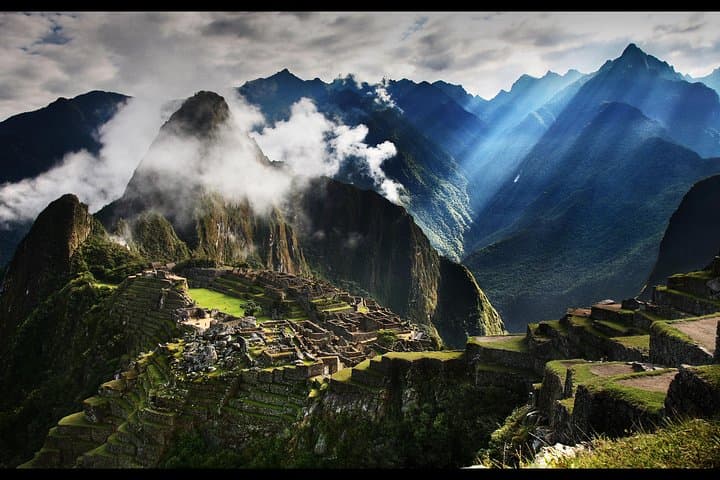
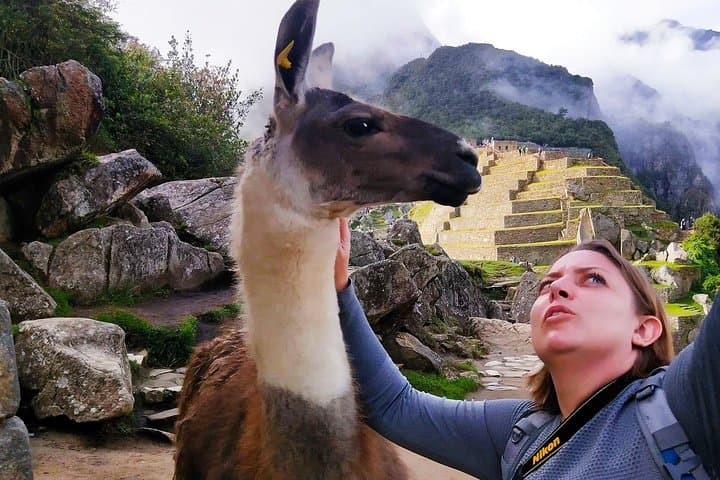
On the second day a train threads the Urubamba gorge to Aguas Calientes, the cloud-scrubbed approach to Machu Picchu. The citadel’s stonework and axial plazas make strategy and ceremony legible—your guide translates myths and points out niches, water channels and agricultural terraces that cling to steep slopes. Weather here is alive: clouds will push across the ridge like wandering storytellers, and the Urubamba River dares you to listen to its speed below.
Practical edge: allow time to acclimatize in Cusco, carry layers and rain protection, and expect lots of walking on uneven stone. Meals are included and transport is private; bring a small daypack, water, and sturdy shoes to make the most of both the city’s history and Machu Picchu’s high-mountain clarity.
moderate.
2 days.
Moderate fitness; be comfortable walking several hours and climbing stairs at high altitude.
Yes—plan at least 24 hours in Cusco to reduce altitude sickness risk; avoid heavy exertion on arrival day.
Yes—the itinerary includes round-trip train service and entrance tickets to Machu Picchu as stated in the inclusions.
Expect several hours of guided walking over uneven stone paths and stairs; mobility restrictions may limit access to some viewpoints.
Local operators typically accommodate common dietary needs if notified at booking; use the special requirements field to list allergies or preferences.
Cusco served as the administrative and ceremonial center of the Inca Empire; the Sacred Valley was intensively farmed to support the capital and its population.
Visitor numbers to Machu Picchu are regulated—stick to marked paths, avoid feeding wildlife, and use refillable water bottles to reduce waste.
Qorysun Travel operates guided outdoor trips and adventures with an emphasis on safety, stewardship, and memorable experiences.
The morning light in Cusco cuts clean across stone streets, and the city exhales a slow, high-altitude rhythm that carries you toward the Sacred Valley. On day one a guide meets you in a private vehicle and steers through terraces and cobbled plazas—Sacsayhuamán’s massive carved stones loom above the city, Q’enqo’s carved amphitheater still holding ritual echoes, and Tambomachay’s channels murmur cold mountain water.
The morning light in Cusco cuts clean across stone streets, and the city exhales a slow, high-altitude rhythm that carries you toward the Sacred Valley. On day one a guide meets you in a private vehicle and steers through terraces and cobbled plazas—Sacsayhuamán’s massive carved stones loom above the city, Q’enqo’s carved amphitheater still holding ritual echoes, and Tambomachay’s channels murmur cold mountain water.
Geology here writes in volcanic rock and river-cut valleys; the Sacred Valley’s broad floor was farmed by the Incas using microclimates and terraces that still feed local markets today. Cultural life is visible and tactile: weaving demonstrations, market stalls selling quinoa and alpaca, and families who maintain Quechua traditions passed through generations.
On the second day a train threads the Urubamba gorge to Aguas Calientes, the cloud-scrubbed approach to Machu Picchu. The citadel’s stonework and axial plazas make strategy and ceremony legible—your guide translates myths and points out niches, water channels and agricultural terraces that cling to steep slopes. Weather here is alive: clouds will push across the ridge like wandering storytellers, and the Urubamba River dares you to listen to its speed below.
Practical edge: allow time to acclimatize in Cusco, carry layers and rain protection, and expect lots of walking on uneven stone. Meals are included and transport is private; bring a small daypack, water, and sturdy shoes to make the most of both the city’s history and Machu Picchu’s high-mountain clarity.