THE ADVENTURE COLLECTIVE® · Independent discovery and booking for outdoor travel

Two days that compress Vietnam’s wartime history and riverine life: crawl through the Cu Chi tunnels, taste delta honey, and watch vendors trade at Cai Rang floating market. Early starts, boat rides, and an overnight in Can Tho make this an efficient Mekong immersion.
Two days that compress Vietnam’s wartime history and riverine life: crawl through the Cu Chi tunnels, taste delta honey, and watch vendors trade at Cai Rang floating market. Early starts, boat rides, and an overnight in Can Tho make this an efficient Mekong immersion.
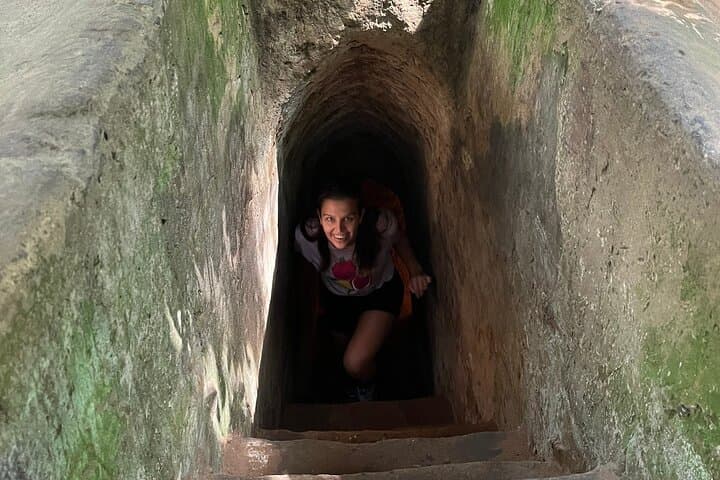
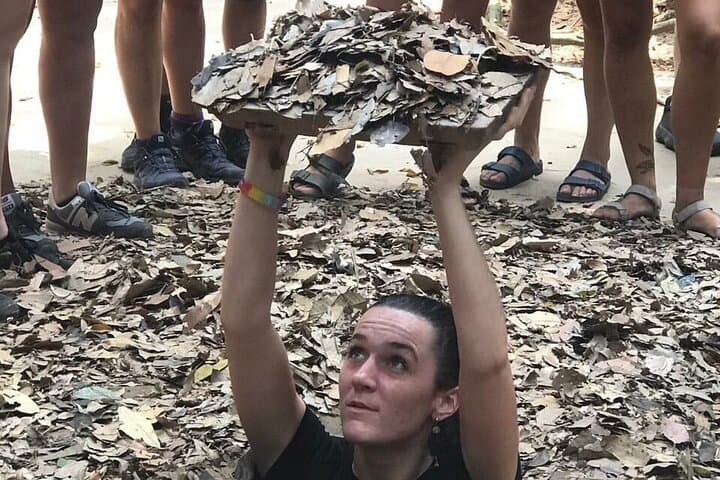
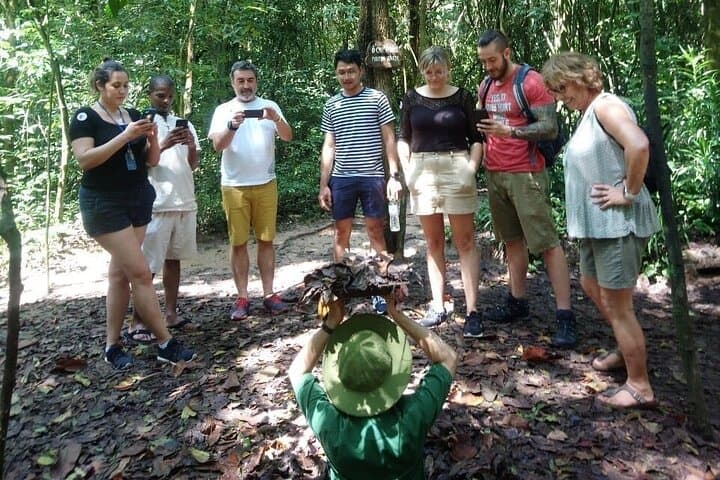
You step off the minivan while the Mekong breathes around you — a wide, slow current that pushes boats upriver and pulls life toward its banks. On day one you descend into the Cu Chi tunnels: narrow, low-ceilinged tunnels where earth feels almost alive, pressing gently as you crouch and learn how Viet Cong fighters used the underground network to move, hide, and survive.
Verified experiences and guided adventures in the surrounding area.
Operated by Hana Tourist Vietnam · Ho Chi Minh City, Ho Chi Minh
You step off the minivan while the Mekong breathes around you — a wide, slow current that pushes boats upriver and pulls life toward its banks. On day one you descend into the Cu Chi tunnels: narrow, low-ceilinged tunnels where earth feels almost alive, pressing gently as you crouch and learn how Viet Cong fighters used the underground network to move, hide, and survive.
By afternoon the scene shifts. Motorboats cut wakes through the upper Mekong toward My Tho and the quieter channels of Ben Tre. Coconut palms lean over narrow canals that dare you to notice how productive and precarious river life is: orchards clinging to silt, beehives tucked beside homes, and families ferrying goods by boat.
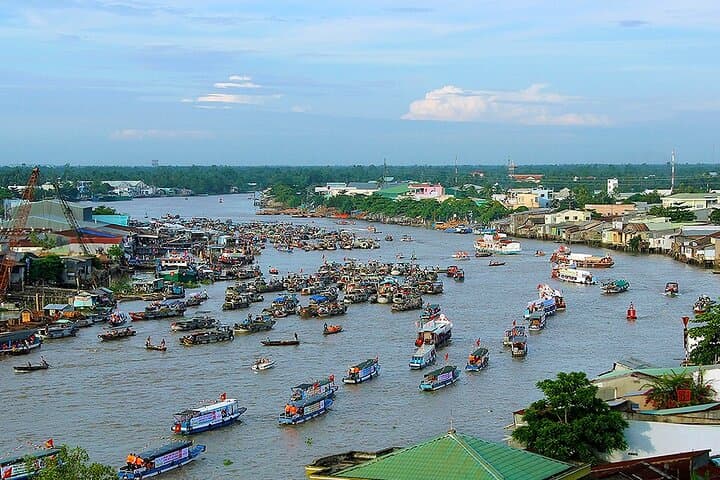
The second day begins before dawn at Cai Rang floating market, where vendors hawk pineapples and vegetables from loaded sampans — a market organized by wake and weight rather than schedules. Between visits to a rice-paper workshop, a bee farm tasting, and a short countryside bike loop, you’ll see the delta’s layered history: colonial-era trade routes, wartime underground networks, and a culture built on seasonal floods and fertile alluvium.
Practical guidance: expect long travel segments, early starts, and basic lodging options (hotel or homestay). Bring a small overnight bag, insect repellent, sun protection, and a camera with extra battery. If you’re claustrophobic, plan to observe at Cu Chi rather than crawl. Travel light, hydrate often, and schedule the floating-market visit at first light for the clearest light and the fullest market activity.
moderate.
2 days (approx. 48 hours).
Suitable for travelers with basic mobility who can crouch and walk short distances; minimal sustained fitness required.
Yes — hotel pickup in central Ho Chi Minh City is included; confirm your pickup location when you book.
The tour includes two lunches and one breakfast, plus dinner if you choose the 3-star hotel or homestay option for the overnight stay.
At the Ben Duoc site you’ll be offered a chance to crawl through restored sections; if you have claustrophobia or mobility limits you can observe from the surface.
The itinerary notes it’s not recommended for pregnant travelers and recommends caution for those with heart conditions; children can participate but parents should supervise tunnel sections and boat rides.
The Cu Chi tunnels are part of an extensive subterranean network used by the Viet Cong during the Vietnam War; the Mekong Delta has supported river-based communities and trade for centuries.
Plastic pollution and riverbank erosion are ongoing issues; favor local homestays and operators that minimize single-use plastics and support riparian reforestation.
Hana Tourist Vietnam operates guided outdoor trips and adventures with an emphasis on safety, stewardship, and memorable experiences.
You step off the minivan while the Mekong breathes around you — a wide, slow current that pushes boats upriver and pulls life toward its banks. On day one you descend into the Cu Chi tunnels: narrow, low-ceilinged tunnels where earth feels almost alive, pressing gently as you crouch and learn how Viet Cong fighters used the underground network to move, hide, and survive.
You step off the minivan while the Mekong breathes around you — a wide, slow current that pushes boats upriver and pulls life toward its banks. On day one you descend into the Cu Chi tunnels: narrow, low-ceilinged tunnels where earth feels almost alive, pressing gently as you crouch and learn how Viet Cong fighters used the underground network to move, hide, and survive.
By afternoon the scene shifts. Motorboats cut wakes through the upper Mekong toward My Tho and the quieter channels of Ben Tre. Coconut palms lean over narrow canals that dare you to notice how productive and precarious river life is: orchards clinging to silt, beehives tucked beside homes, and families ferrying goods by boat.
The second day begins before dawn at Cai Rang floating market, where vendors hawk pineapples and vegetables from loaded sampans — a market organized by wake and weight rather than schedules. Between visits to a rice-paper workshop, a bee farm tasting, and a short countryside bike loop, you’ll see the delta’s layered history: colonial-era trade routes, wartime underground networks, and a culture built on seasonal floods and fertile alluvium.
Practical guidance: expect long travel segments, early starts, and basic lodging options (hotel or homestay). Bring a small overnight bag, insect repellent, sun protection, and a camera with extra battery. If you’re claustrophobic, plan to observe at Cu Chi rather than crawl. Travel light, hydrate often, and schedule the floating-market visit at first light for the clearest light and the fullest market activity.