THE ADVENTURE COLLECTIVE® · Independent discovery and booking for outdoor travel

Descend into one of the world’s deepest canyons, sleep beside a desert oasis, and climb back at sunrise to watch condors ride the thermals. This two-day trek mixes steep hiking with high-altitude scenery and rural Andean culture.
Descend into one of the world’s deepest canyons, sleep beside a desert oasis, and climb back at sunrise to watch condors ride the thermals. This two-day trek mixes steep hiking with high-altitude scenery and rural Andean culture.
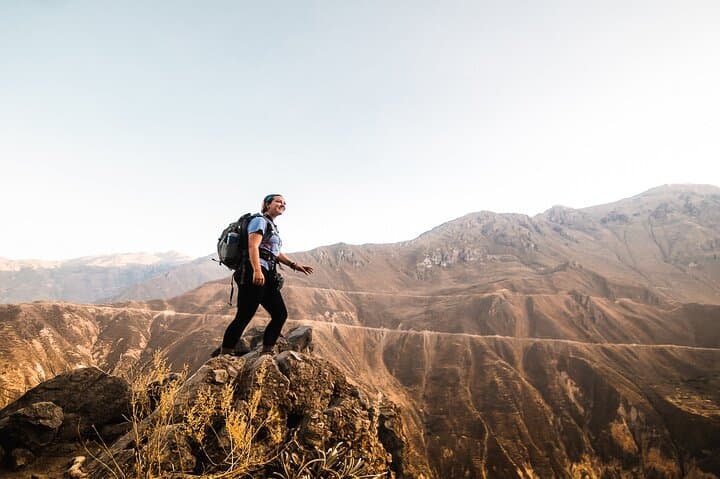
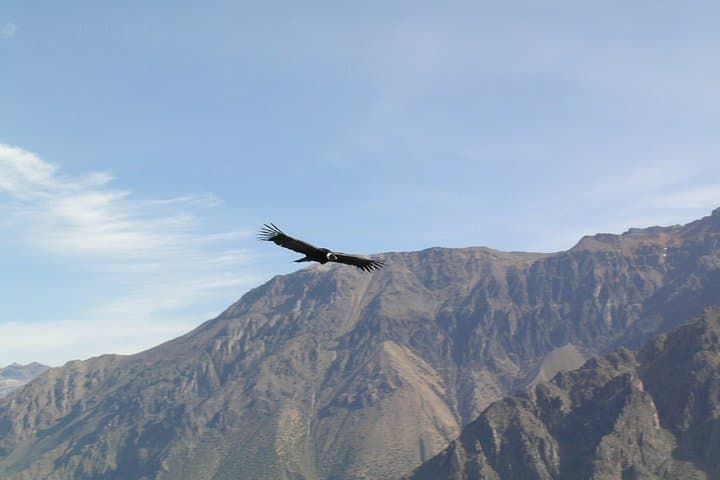
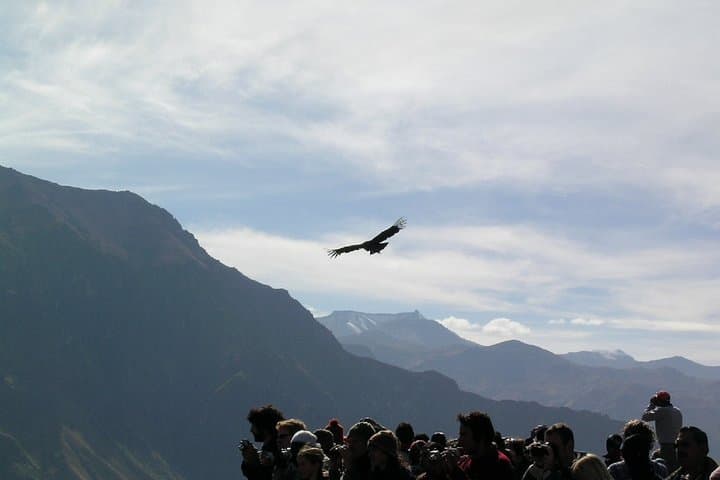
Before dawn the van pulls out of Arequipa and the skyline shifts from city lights to an abrupt Andean silhouette. The air sharpens as you climb to the Pampas of San Miguel. At the Condor’s Cross the canyon opens beneath you: a raw slice of volcanic rock and terrace-lined slopes that push the wind to your face and dare the condors to ride the thermals.
Verified experiences and guided adventures in the surrounding area.
Operated by Tangol · Cabanaconde, Arequipa
Before dawn the van pulls out of Arequipa and the skyline shifts from city lights to an abrupt Andean silhouette. The air sharpens as you climb to the Pampas of San Miguel. At the Condor’s Cross the canyon opens beneath you: a raw slice of volcanic rock and terrace-lined slopes that push the wind to your face and dare the condors to ride the thermals.
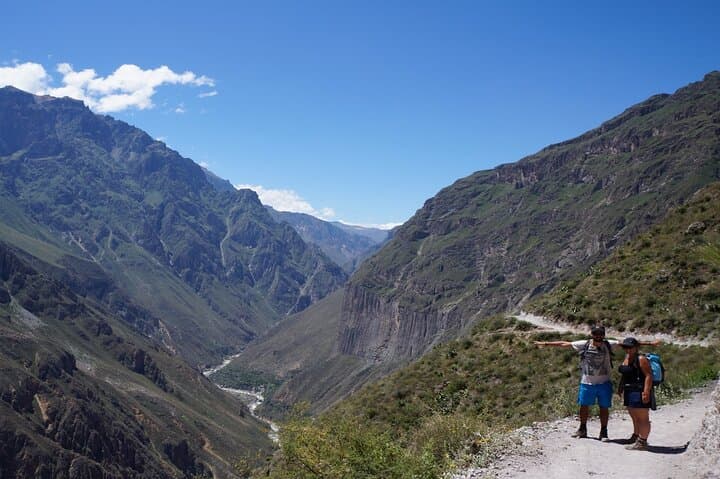
Colca is geologically young and violently carved, its walls exposing layers of volcanic ash and thrust faults from the Andean uplift. Indigenous communities have shaped the valley for centuries—stone terraces and colonial churches in towns like Cabanaconde and Maca speak to a farming culture that adapted to altitude and steep ground.
On day one you descend roughly 4.6 miles (about 3 hours) into the canyon to Sangalle Oasis (2,225 m), passing high puna and irrigated terraces. Expect dusty switchbacks, loose shale underfoot and stark sunlight. The oasis itself offers a basic rural lodge and a small pool—an earned luxury after the descent. Day two begins pre-dawn with a 2.5-mile, ~3-hour climb to Cabanaconde (3,230 m), where the sunrise slices across terraces and volcanoes before the return drive to Arequipa.
Practical guidance: acclimatize in Arequipa for at least 24–48 hours, carry cash for park entrance and optional hot springs, pack layered clothing for hot days and cold mornings, and bring sturdy trekking shoes and poles for loose terrain. Start early to watch condors; move deliberately on the ascent and conserve water—altitude changes here are the real challenge.
moderate.
2 days.
Good aerobic fitness for steep ascents/descents and sustained hiking at altitude
While sections are steep, the daily distances are moderate; a basic level of fitness and careful pacing make it doable for many beginners, though altitude adds difficulty.
Accommodation is rural and basic—sheets and simple beds are typical; the pool and setting are the main comforts.
Yes—the Colca Valley entrance fee and some local services (locker, optional hot springs) require Peruvian soles in cash.
Yes—there’s an optional transfer from Chivay to Puno on day two (book in advance); otherwise you return to Arequipa.
Local communities have farmed Colca’s terraces for centuries; many terraces predate the Inca and were integrated into colonial-era village life.
The canyon’s fragile oasis and terraces are vulnerable to litter and water overuse—pack out trash and use local services to support the community.
Tangol operates guided outdoor trips and adventures with an emphasis on safety, stewardship, and memorable experiences.
Before dawn the van pulls out of Arequipa and the skyline shifts from city lights to an abrupt Andean silhouette. The air sharpens as you climb to the Pampas of San Miguel. At the Condor’s Cross the canyon opens beneath you: a raw slice of volcanic rock and terrace-lined slopes that push the wind to your face and dare the condors to ride the thermals.
Before dawn the van pulls out of Arequipa and the skyline shifts from city lights to an abrupt Andean silhouette. The air sharpens as you climb to the Pampas of San Miguel. At the Condor’s Cross the canyon opens beneath you: a raw slice of volcanic rock and terrace-lined slopes that push the wind to your face and dare the condors to ride the thermals.
Colca is geologically young and violently carved, its walls exposing layers of volcanic ash and thrust faults from the Andean uplift. Indigenous communities have shaped the valley for centuries—stone terraces and colonial churches in towns like Cabanaconde and Maca speak to a farming culture that adapted to altitude and steep ground.
On day one you descend roughly 4.6 miles (about 3 hours) into the canyon to Sangalle Oasis (2,225 m), passing high puna and irrigated terraces. Expect dusty switchbacks, loose shale underfoot and stark sunlight. The oasis itself offers a basic rural lodge and a small pool—an earned luxury after the descent. Day two begins pre-dawn with a 2.5-mile, ~3-hour climb to Cabanaconde (3,230 m), where the sunrise slices across terraces and volcanoes before the return drive to Arequipa.
Practical guidance: acclimatize in Arequipa for at least 24–48 hours, carry cash for park entrance and optional hot springs, pack layered clothing for hot days and cold mornings, and bring sturdy trekking shoes and poles for loose terrain. Start early to watch condors; move deliberately on the ascent and conserve water—altitude changes here are the real challenge.