THE ADVENTURE COLLECTIVE® · Independent discovery and booking for outdoor travel

Short on time but eager for big Andean scenery? This two-day Puno-to-Arequipa tour hits La Calera hot springs, Chivay, and the Cruz del Condor viewpoint for close condor sightings and a clear taste of Colca Canyon’s geology and culture.
Short on time but eager for big Andean scenery? This two-day Puno-to-Arequipa tour hits La Calera hot springs, Chivay, and the Cruz del Condor viewpoint for close condor sightings and a clear taste of Colca Canyon’s geology and culture.
Dawn breaks over the high Andean plateau as the van leaves Puno and the road opens onto wind-swept altiplano. Fields of ichu grass roll past and small herds of vicuñas lift their heads like punctuation marks against a sky too wide for the valley. By midday the route reaches Chivay; steam rises from La Calera and the town’s plaza hums with travellers refueling before the canyon proper.
Verified experiences and guided adventures in the surrounding area.
Operated by Pachakutik Tours Perú · Chivay, Arequipa
Dawn breaks over the high Andean plateau as the van leaves Puno and the road opens onto wind-swept altiplano. Fields of ichu grass roll past and small herds of vicuñas lift their heads like punctuation marks against a sky too wide for the valley. By midday the route reaches Chivay; steam rises from La Calera and the town’s plaza hums with travellers refueling before the canyon proper.
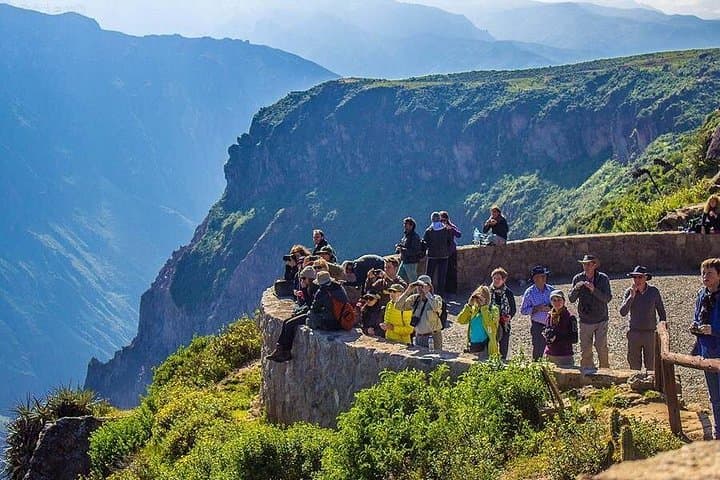
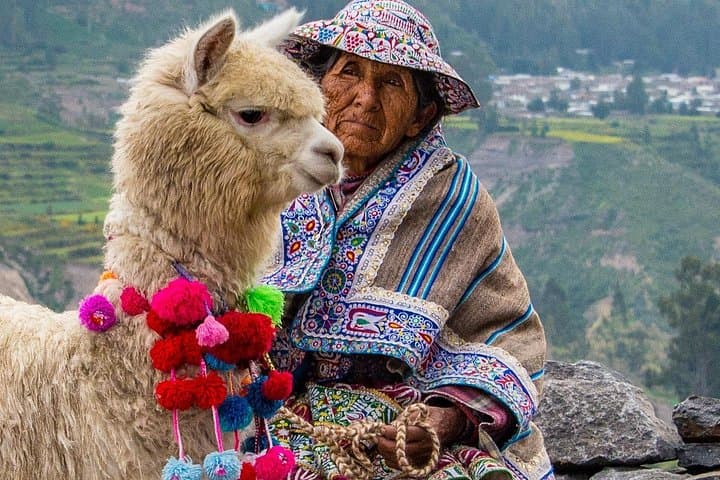
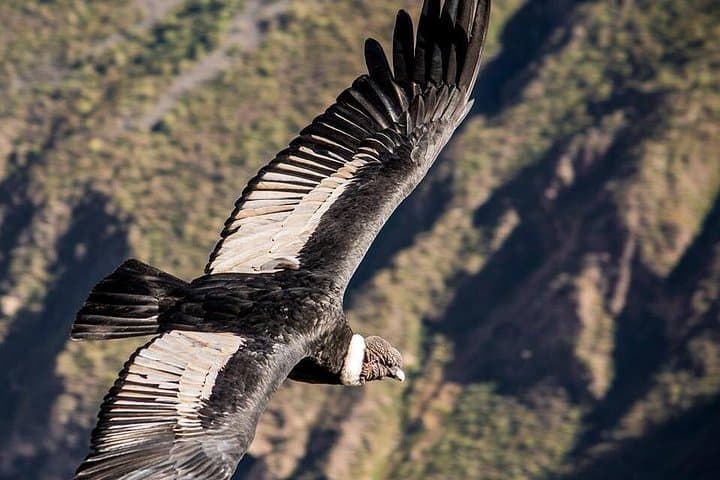
Colca Canyon slices into volcanic rock carved by the Colca River over millions of years, producing walls that reach more than 3,000 meters in places—one of the world’s deepest gorges. The afternoon stop at Patahuasi and the morning at Mirador Cruz del Condor put you close to the canyon’s geology and its star residents: Andean condors wheel on thermal updrafts above the abyss while local guides point out pre-Inca terraces and Collagua stonework that speak to centuries of cultivation and communal engineering.
Practicalities matter here: the route crosses altiplano above 3,500–3,800 m, so expect thin air, sharp sun and swift temperature swings. Timing is straightforward—early morning at Cruz del Condor gives the best condor viewing—while evenings in Chivay let you soak in hot springs and a folkloric dinner. Bring layered clothing, sun protection, and a refillable water bottle; footwear should handle uneven lookout paths and short walks. The itinerary moves by air-conditioned vehicle with one overnight in Chivay before arriving to Arequipa the second evening—efficient, scenic and built for travellers who want a concentrated encounter with high-Andean landscapes and wildlife.
moderate.
2 days.
Moderate — suitable for travelers comfortable with long vehicle transfers and short walks at high altitude; basic cardiovascular fitness helps.
The tour involves long vehicle transfers and short, easy walks at viewpoints; it's suitable for most fitness levels but altitude can make activity more strenuous.
Condors are commonly seen at Cruz del Condor, especially in the early morning when thermals are strongest, but sightings cannot be guaranteed—wildlife is unpredictable.
Typical inclusions are pickup in downtown Puno, one night hotel in Chivay, breakfast, an English-Spanish guide, and an air-conditioned vehicle; check your booking for specifics.
Yes—the route crosses elevations above 3,500 m; allow time to acclimatize, stay hydrated, and consult a physician about medication if you have prior issues.
The Colca Valley was shaped by Collagua and Cabana communities whose stone terraces and irrigation systems predate the Inca; these agricultural practices remain visible along the canyon rim.
The Colca region is ecologically fragile—stick to designated paths, avoid feeding wildlife, and use local services to support community-based conservation and responsible tourism.
Pachakutik Tours Perú operates guided outdoor trips and adventures with an emphasis on safety, stewardship, and memorable experiences.
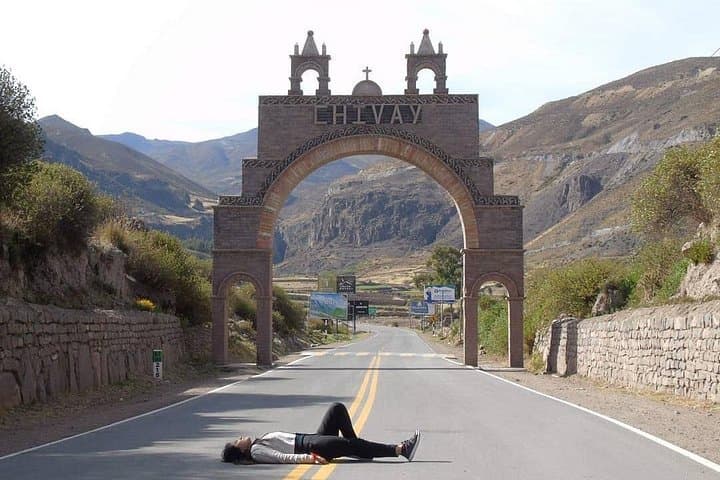
Dawn breaks over the high Andean plateau as the van leaves Puno and the road opens onto wind-swept altiplano. Fields of ichu grass roll past and small herds of vicuñas lift their heads like punctuation marks against a sky too wide for the valley. By midday the route reaches Chivay; steam rises from La Calera and the town’s plaza hums with travellers refueling before the canyon proper.
Dawn breaks over the high Andean plateau as the van leaves Puno and the road opens onto wind-swept altiplano. Fields of ichu grass roll past and small herds of vicuñas lift their heads like punctuation marks against a sky too wide for the valley. By midday the route reaches Chivay; steam rises from La Calera and the town’s plaza hums with travellers refueling before the canyon proper.
Colca Canyon slices into volcanic rock carved by the Colca River over millions of years, producing walls that reach more than 3,000 meters in places—one of the world’s deepest gorges. The afternoon stop at Patahuasi and the morning at Mirador Cruz del Condor put you close to the canyon’s geology and its star residents: Andean condors wheel on thermal updrafts above the abyss while local guides point out pre-Inca terraces and Collagua stonework that speak to centuries of cultivation and communal engineering.
Practicalities matter here: the route crosses altiplano above 3,500–3,800 m, so expect thin air, sharp sun and swift temperature swings. Timing is straightforward—early morning at Cruz del Condor gives the best condor viewing—while evenings in Chivay let you soak in hot springs and a folkloric dinner. Bring layered clothing, sun protection, and a refillable water bottle; footwear should handle uneven lookout paths and short walks. The itinerary moves by air-conditioned vehicle with one overnight in Chivay before arriving to Arequipa the second evening—efficient, scenic and built for travellers who want a concentrated encounter with high-Andean landscapes and wildlife.