THE ADVENTURE COLLECTIVE® · Independent discovery and booking for outdoor travel

Spend two days exploring Colca Canyon’s terraces, thermal springs and dawn condor flight. This guided tour combines cultural markets, volcanic geology and early-morning condor watching at Cruz del Cóndor.
Spend two days exploring Colca Canyon’s terraces, thermal springs and dawn condor flight. This guided tour combines cultural markets, volcanic geology and early-morning condor watching at Cruz del Cóndor.
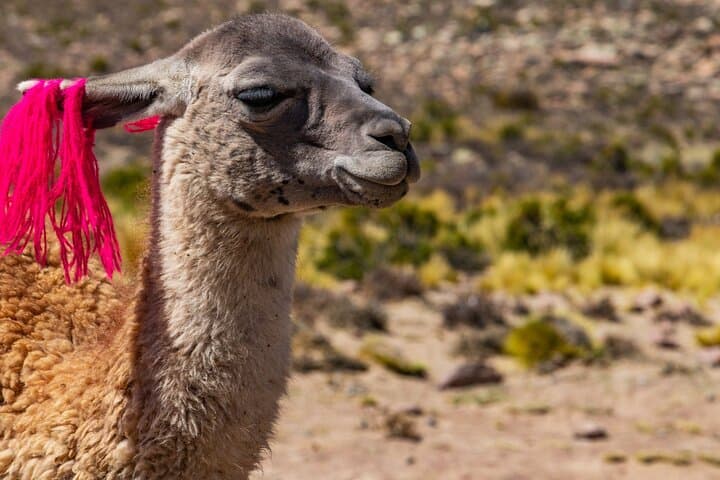
The road climbs out of Arequipa’s high plains and the air thins; by mid-morning the ridge opens and the Colca Valley cuts like a living fault in the landscape. On day one you’ll descend into a world of stepped terraces and volcanic cliffs, light skimming the ridgelines while vicuñas graze on windswept puna.
Verified experiences and guided adventures in the surrounding area.
Operated by PERUVIAN CULTURE TRAVEL · Chivay, Arequipa
The road climbs out of Arequipa’s high plains and the air thins; by mid-morning the ridge opens and the Colca Valley cuts like a living fault in the landscape. On day one you’ll descend into a world of stepped terraces and volcanic cliffs, light skimming the ridgelines while vicuñas graze on windswept puna.
Colca’s history is visible in its agriculture: centuries-old pre-Incan terraces maintained by the Collagua and Cabana peoples, alongside colonial churches in towns like Maca and Yanque. Geologically the canyon is a product of volcanic uplift and river incision—the Colca River has carved one of the planet’s deepest canyons, exposing layered lava flows and red-brown sedimentary bands.
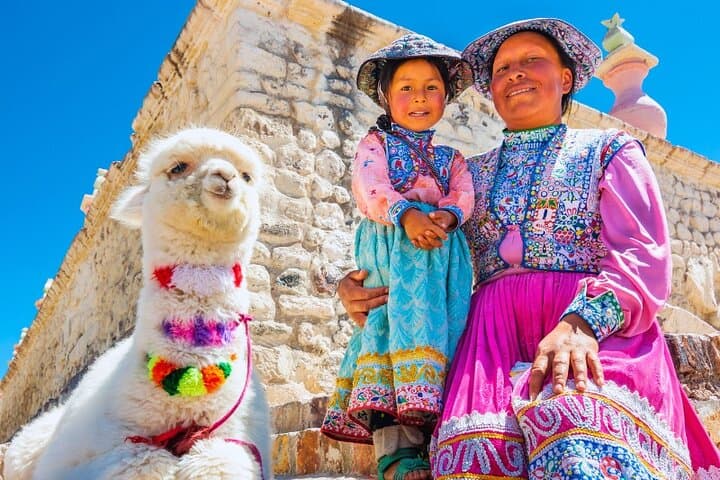
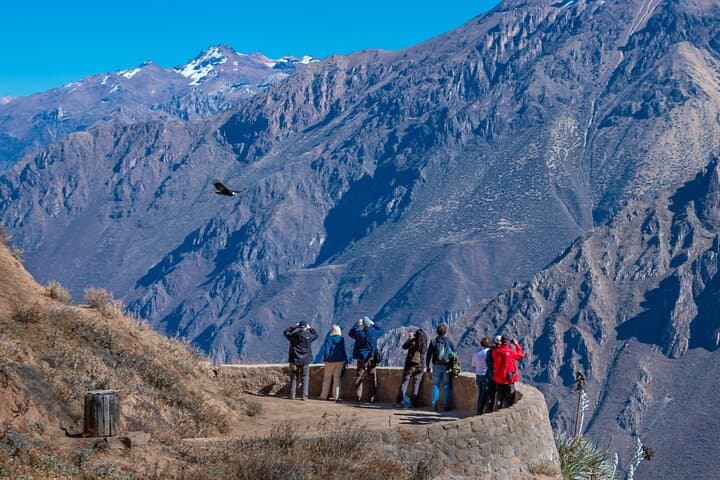
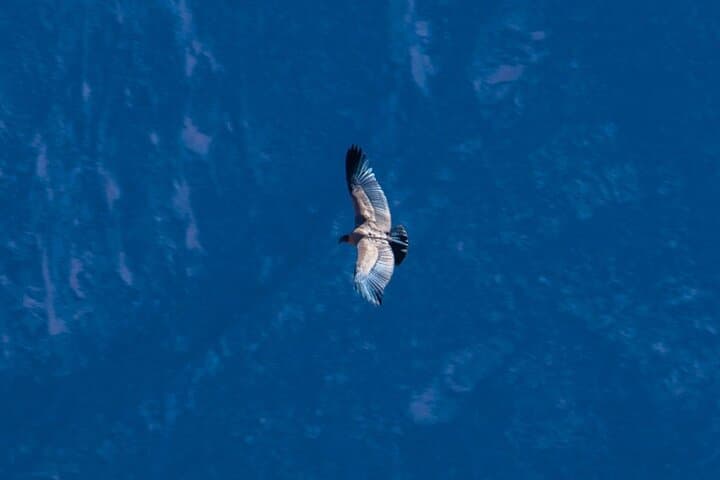
Culturally the valley is alive—markets in Chivay sell woven textiles and local flavors such as mate de coca and the Colca Sour. The real spectacle arrives at dawn on day two at the Mirador Cruz del Cóndor, where the canyon thermals lift Andean condors in broad, slow circles; the birds use the updrafts like elevators, daring you to follow with your camera.
Practically: expect long vehicle transfers (Arequipa–Chivay ~3–4 hours), cold mornings and strong sun at altitude (3,400–4,800 m). Moderate fitness helps for short walks and viewpoints; bring layers, sun protection, and water. Time your condor viewing for sunrise and allow an hour at the mirador. Finish with a soak at La Calera thermal baths (35–38°C) to ease tired legs before the return to Arequipa.
moderate.
48 hours (2 days).
Moderate fitness recommended—able to handle short hikes, stairs, and vehicle transfers at altitude.
The transfer is about 3–4 hours one-way to Chivay depending on stops and road conditions; expect long, scenic drives with altitude gain.
Early morning at sunrise is best—thermals form and condors ride the updrafts into view, usually between 6:00–9:00 a.m.
Yes—Colca sits between ~3,400–4,800 m; drink water, rest, avoid heavy exertion on arrival, and consider coca tea or medication if prone to symptoms.
The itinerary includes a visit to La Calera thermal baths (35–38°C); entry is typically available and is a recommended recovery stop.
The Colca Valley showcases terraces and irrigation systems maintained by the Collagua and Cabana peoples, reflecting centuries of highland agriculture and community life.
The canyon’s high-Andean ecosystems are fragile—stay on trails, avoid disturbing wildlife, and support local guides and small vendors to sustain the area.
PERUVIAN CULTURE TRAVEL operates guided outdoor trips and adventures with an emphasis on safety, stewardship, and memorable experiences.
The road climbs out of Arequipa’s high plains and the air thins; by mid-morning the ridge opens and the Colca Valley cuts like a living fault in the landscape. On day one you’ll descend into a world of stepped terraces and volcanic cliffs, light skimming the ridgelines while vicuñas graze on windswept puna.
The road climbs out of Arequipa’s high plains and the air thins; by mid-morning the ridge opens and the Colca Valley cuts like a living fault in the landscape. On day one you’ll descend into a world of stepped terraces and volcanic cliffs, light skimming the ridgelines while vicuñas graze on windswept puna.
Colca’s history is visible in its agriculture: centuries-old pre-Incan terraces maintained by the Collagua and Cabana peoples, alongside colonial churches in towns like Maca and Yanque. Geologically the canyon is a product of volcanic uplift and river incision—the Colca River has carved one of the planet’s deepest canyons, exposing layered lava flows and red-brown sedimentary bands.
Culturally the valley is alive—markets in Chivay sell woven textiles and local flavors such as mate de coca and the Colca Sour. The real spectacle arrives at dawn on day two at the Mirador Cruz del Cóndor, where the canyon thermals lift Andean condors in broad, slow circles; the birds use the updrafts like elevators, daring you to follow with your camera.
Practically: expect long vehicle transfers (Arequipa–Chivay ~3–4 hours), cold mornings and strong sun at altitude (3,400–4,800 m). Moderate fitness helps for short walks and viewpoints; bring layers, sun protection, and water. Time your condor viewing for sunrise and allow an hour at the mirador. Finish with a soak at La Calera thermal baths (35–38°C) to ease tired legs before the return to Arequipa.