THE ADVENTURE COLLECTIVE® · Independent discovery and booking for outdoor travel

Listen for the chimps at first light and follow experienced guides through hill-sliced rainforest on a focused two-day trek in Kibale. This short safari pairs high-probability chimp encounters with village visits and crater-lake viewpoints.
Listen for the chimps at first light and follow experienced guides through hill-sliced rainforest on a focused two-day trek in Kibale. This short safari pairs high-probability chimp encounters with village visits and crater-lake viewpoints.
Dawn breaks in the lowland rainforest and the canopy stirs — a distant chimp call threads through thick, humid air as you step off the trail at Kanyanchu. The forest presses close: buttress roots, dripping ferns, and a carpet of leaf litter that hushes footsteps. Over the next two days the park pulls you into a close-up of primate life and western Uganda’s volcanic landscape.
Verified experiences and guided adventures in the surrounding area.
Operated by Inspire African Safaris · Fort Portal, Western Region
Dawn breaks in the lowland rainforest and the canopy stirs — a distant chimp call threads through thick, humid air as you step off the trail at Kanyanchu. The forest presses close: buttress roots, dripping ferns, and a carpet of leaf litter that hushes footsteps. Over the next two days the park pulls you into a close-up of primate life and western Uganda’s volcanic landscape.
Kibale Forest sits on an uplifted block of ancient volcanic soils that feed a network of crater lakes around Fort Portal. The area has long been home to the Batoro and Bakiga communities; today local guides and park fees help fund conservation and village programs. Chimpanzee tracking began as a blend of research and ecotourism in the 1970s and Kibale is now one of East Africa’s premier sites for habituated chimp encounters.
Expect forest trails that range from well-worn footpaths to steeper, muddy sections where roots and stones challenge each step. Tracking typically runs 2–6 hours depending on chimp movement; your briefing at 8:00 a.m. explains rules — stay quiet, keep distance, and follow the guide’s lead. Alongside chimps you’ll spot red colobus, L’Hoest’s monkeys, and a dense bird list; butterflies and insect choruses give the understory constant motion.
Practical: permits are included in the package; wear grippy trekking shoes, bring a lightweight rain shell, insect repellent, and plenty of water. Plan for tropical humidity — short, sharp bursts of exertion are normal — and factor travel time from Kampala (4–5 hours). With a private guide and lodge stay, this short safari balances high-impact wildlife viewing with straightforward logistics, ideal for travelers seeking a concentrated, responsible chimp experience.
moderate.
2 days (3–6 hours trekking on tracking day).
Suitable for most people with basic mobility; expect uneven ground, occasional steep stretches, and several hours of walking.
Yes — the advertised price includes the chimp tracking permit; bring required ID and arrive for the 08:00 briefing at Kanyanchu.
Tracking difficulty varies: sessions can be short and easy or several hours over uneven, sometimes steep terrain; a moderate fitness level and sure-footed shoes are recommended.
Kibale hosts red colobus and L’Hoest’s monkeys, forest antelopes occasionally, and a rich bird community including turacos and sunbirds.
Dry months (June–August and December–February) reduce mud and improve walking conditions, but chimp sightings remain good year-round.
Kibale began as a colonial-era forest reserve; its research and habituation programs established the park as a key center for primate study and community-based tourism.
Tracking fees and lodge stays support anti-poaching patrols and local community projects — stick to trails, avoid litter, and follow guide instructions to minimize disturbance.
Inspire African Safaris operates guided outdoor trips and adventures with an emphasis on safety, stewardship, and memorable experiences.
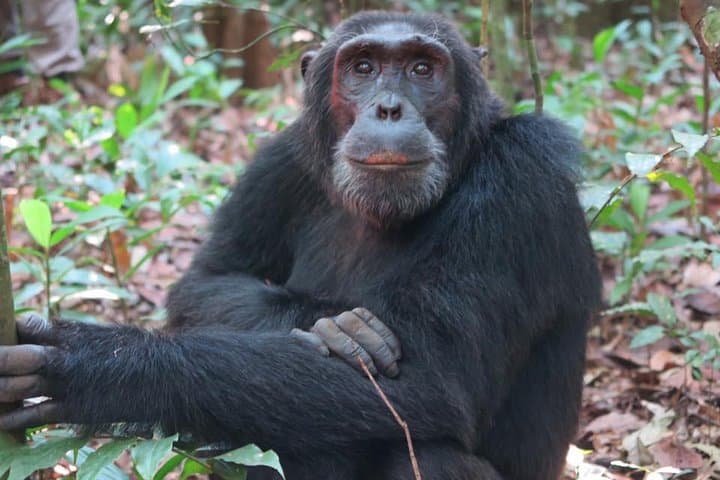
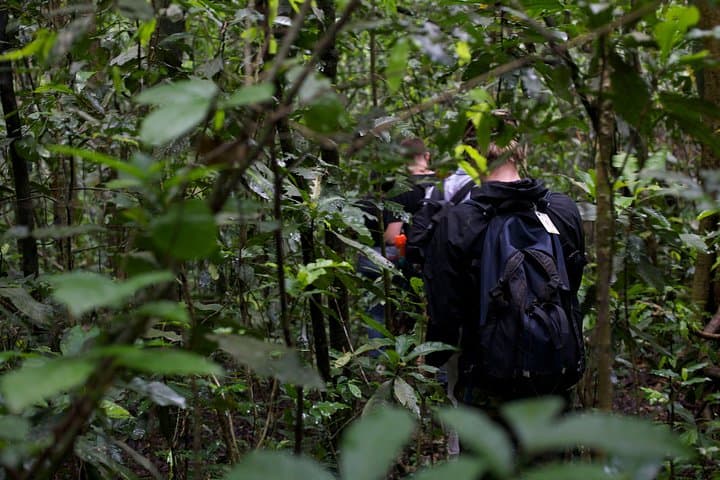
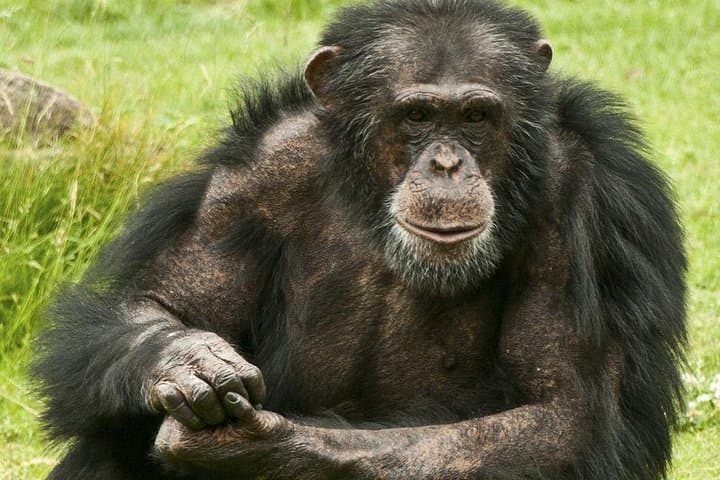
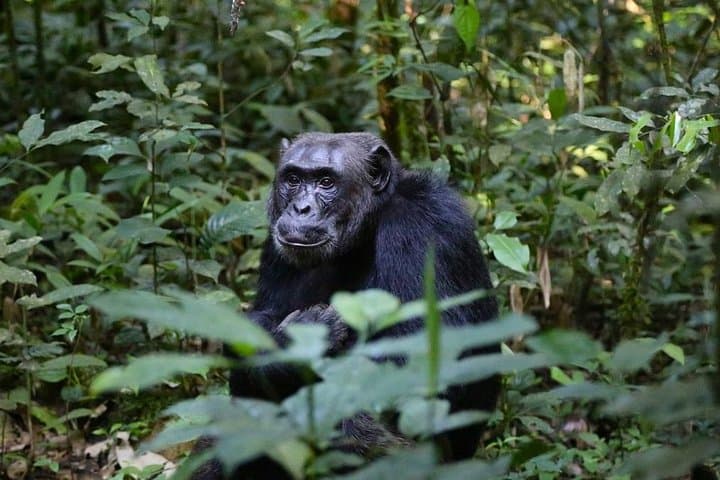
Dawn breaks in the lowland rainforest and the canopy stirs — a distant chimp call threads through thick, humid air as you step off the trail at Kanyanchu. The forest presses close: buttress roots, dripping ferns, and a carpet of leaf litter that hushes footsteps. Over the next two days the park pulls you into a close-up of primate life and western Uganda’s volcanic landscape.
Dawn breaks in the lowland rainforest and the canopy stirs — a distant chimp call threads through thick, humid air as you step off the trail at Kanyanchu. The forest presses close: buttress roots, dripping ferns, and a carpet of leaf litter that hushes footsteps. Over the next two days the park pulls you into a close-up of primate life and western Uganda’s volcanic landscape.
Kibale Forest sits on an uplifted block of ancient volcanic soils that feed a network of crater lakes around Fort Portal. The area has long been home to the Batoro and Bakiga communities; today local guides and park fees help fund conservation and village programs. Chimpanzee tracking began as a blend of research and ecotourism in the 1970s and Kibale is now one of East Africa’s premier sites for habituated chimp encounters.
Expect forest trails that range from well-worn footpaths to steeper, muddy sections where roots and stones challenge each step. Tracking typically runs 2–6 hours depending on chimp movement; your briefing at 8:00 a.m. explains rules — stay quiet, keep distance, and follow the guide’s lead. Alongside chimps you’ll spot red colobus, L’Hoest’s monkeys, and a dense bird list; butterflies and insect choruses give the understory constant motion.
Practical: permits are included in the package; wear grippy trekking shoes, bring a lightweight rain shell, insect repellent, and plenty of water. Plan for tropical humidity — short, sharp bursts of exertion are normal — and factor travel time from Kampala (4–5 hours). With a private guide and lodge stay, this short safari balances high-impact wildlife viewing with straightforward logistics, ideal for travelers seeking a concentrated, responsible chimp experience.