THE ADVENTURE COLLECTIVE® · Independent discovery and booking for outdoor travel

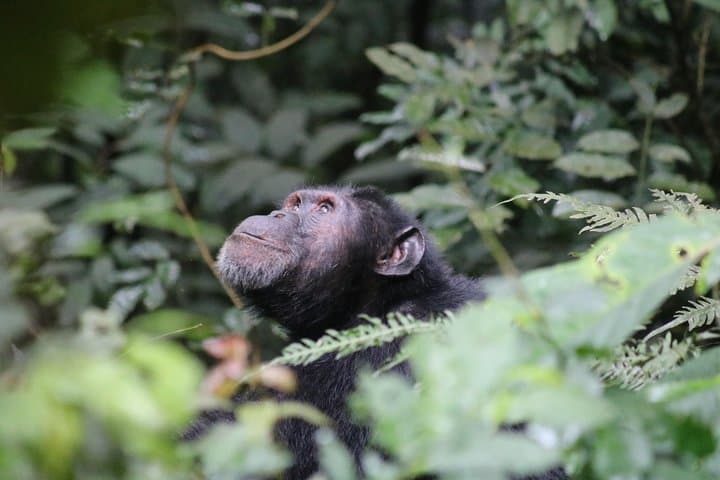
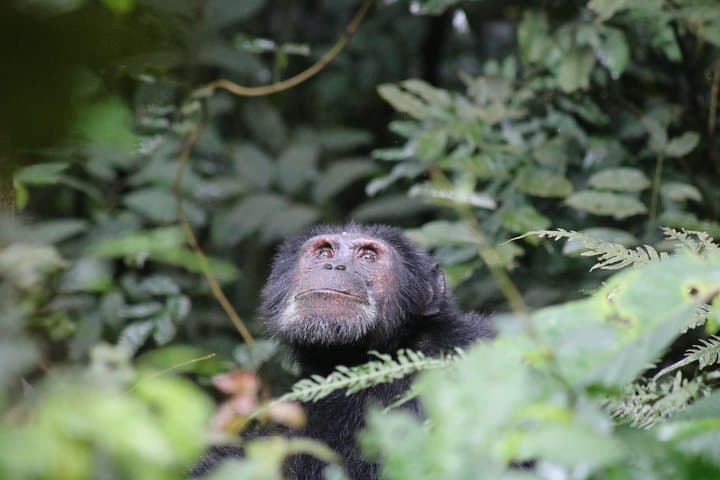
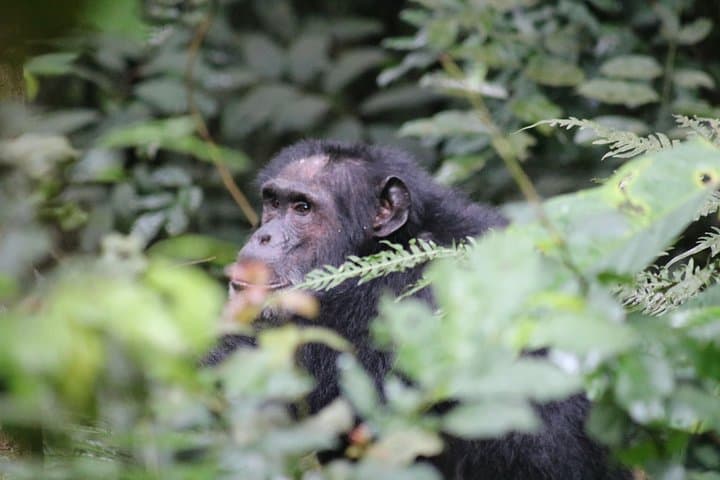
Spend two days tracking chimpanzees in Kibale National Park with early-morning treks from Kanyanchu gate, village culture at Bigodi, and scenic drives from Kampala. This guided, permit-based experience blends wildlife viewing with local conservation insights.
Spend two days tracking chimpanzees in Kibale National Park with early-morning treks from Kanyanchu gate, village culture at Bigodi, and scenic drives from Kampala. This guided, permit-based experience blends wildlife viewing with local conservation insights.
Dawn breaks over the highlands as the minibus eases toward the dark green seam of Kibale Forest. Rain beads on the windscreen and the guide checks permits — the air tastes of loam and wet leaves, and the forest seems to breathe ahead, calling travelers into its shadowed paths.
Verified experiences and guided adventures in the surrounding area.
Operated by Bamboo Ecotours · Fort Portal, Western Region
Dawn breaks over the highlands as the minibus eases toward the dark green seam of Kibale Forest. Rain beads on the windscreen and the guide checks permits — the air tastes of loam and wet leaves, and the forest seems to breathe ahead, calling travelers into its shadowed paths.
Kibale National Park sits in western Uganda amid rolling hills and coffee farms, a remnant of ancient lowland rainforest that supports one of the highest densities of primates in Africa. Geologically, the park rides a watershed between Lake Albert and Lake Kyoga basins, with soils that feed the dense understory and moss-draped trees. The area around Fort Portal carries Toro kingdom culture and a history of forest use that converges at community sites like Bigodi, where visitors can pair a trek with local guided walks or a coffee tour.
On the trekking day, guests gather at Kanyanchu gate for a briefing before following guides into trails that can be slippery, steep in places, and densely vegetated. Treks vary from a short 1–2 hour encounter to longer searches that last half a day; chimp viewing is governed by permits and strict distancing rules. Expect mixed terrain, sections of raised roots and muddy gullies, and bursts of bird song. The experience is intimate and deliberate: move quietly, follow the guide, and let the forest reveal the chimpanzees when they choose.
Practical notes: bring waterproof layers, sturdy boots with good tread, insect repellent, water, and a camera with a tele lens if possible. Plan travel time — the drive from Kampala/Entebbe is long but scenically rewarding — and budget your energy for early starts and variable trail conditions.
moderate.
3–6 hours (trek day); 2 days total for the tour.
Moderate fitness — able to walk over uneven, sometimes steep and muddy trails for several hours
Yes — a chimpanzee trekking permit is required and included with this tour; permits limit group size to protect the animals.
Early morning treks after briefing at Kanyanchu gate are most reliable, as chimps are active feeding and moving before midday.
Trekking can be strenuous and is generally not recommended for pregnant travelers or very young children; check operator policies and health advisories.
Sightings are common in Kibale but not guaranteed; encounters depend on chimp movements, weather, and how quietly groups move through the forest.
Kibale was designated a national park to conserve remaining rainforest and its primates; the region has long-standing Toro cultural ties and small-scale agriculture.
Trekking is tightly regulated to limit disease transmission and disturbance — use refillable water, stick to guides, and support community-run projects like Bigodi.
Bamboo Ecotours operates guided outdoor trips and adventures with an emphasis on safety, stewardship, and memorable experiences.
Dawn breaks over the highlands as the minibus eases toward the dark green seam of Kibale Forest. Rain beads on the windscreen and the guide checks permits — the air tastes of loam and wet leaves, and the forest seems to breathe ahead, calling travelers into its shadowed paths.
Dawn breaks over the highlands as the minibus eases toward the dark green seam of Kibale Forest. Rain beads on the windscreen and the guide checks permits — the air tastes of loam and wet leaves, and the forest seems to breathe ahead, calling travelers into its shadowed paths.
Kibale National Park sits in western Uganda amid rolling hills and coffee farms, a remnant of ancient lowland rainforest that supports one of the highest densities of primates in Africa. Geologically, the park rides a watershed between Lake Albert and Lake Kyoga basins, with soils that feed the dense understory and moss-draped trees. The area around Fort Portal carries Toro kingdom culture and a history of forest use that converges at community sites like Bigodi, where visitors can pair a trek with local guided walks or a coffee tour.
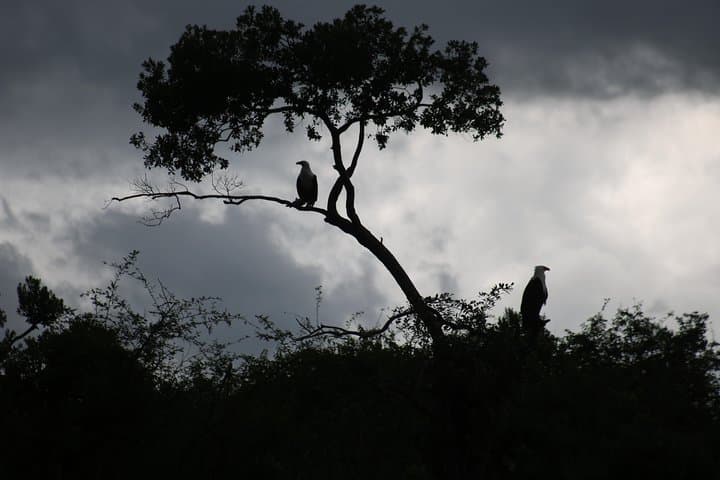
On the trekking day, guests gather at Kanyanchu gate for a briefing before following guides into trails that can be slippery, steep in places, and densely vegetated. Treks vary from a short 1–2 hour encounter to longer searches that last half a day; chimp viewing is governed by permits and strict distancing rules. Expect mixed terrain, sections of raised roots and muddy gullies, and bursts of bird song. The experience is intimate and deliberate: move quietly, follow the guide, and let the forest reveal the chimpanzees when they choose.
Practical notes: bring waterproof layers, sturdy boots with good tread, insect repellent, water, and a camera with a tele lens if possible. Plan travel time — the drive from Kampala/Entebbe is long but scenically rewarding — and budget your energy for early starts and variable trail conditions.