THE ADVENTURE COLLECTIVE® · Independent discovery and booking for outdoor travel

In 48 hours travel from Chiang Mai to Chiang Rai’s most striking sights: the surreal White Temple, the somber Black House, hill-tribe communities and a boat crossing at the Golden Triangle. This private two-day package mixes art, history and light outdoor walking with practical logistics included.
In 48 hours travel from Chiang Mai to Chiang Rai’s most striking sights: the surreal White Temple, the somber Black House, hill-tribe communities and a boat crossing at the Golden Triangle. This private two-day package mixes art, history and light outdoor walking with practical logistics included.
You step off the air-conditioned van into a cool northern breeze and Wat Rong Khun—known as the White Temple—looms like an impossible sculpture of white lacquer and mirrored glass. The desert of concrete in Chiang Mai fades behind you; rice terraces, tea rows and a river that seems to dare you to cross it lie ahead.
Verified experiences and guided adventures in the surrounding area.
Operated by Chiang Mai Local Tours · Chiang Rai, Chiang Rai Province
You step off the air-conditioned van into a cool northern breeze and Wat Rong Khun—known as the White Temple—looms like an impossible sculpture of white lacquer and mirrored glass. The desert of concrete in Chiang Mai fades behind you; rice terraces, tea rows and a river that seems to dare you to cross it lie ahead.
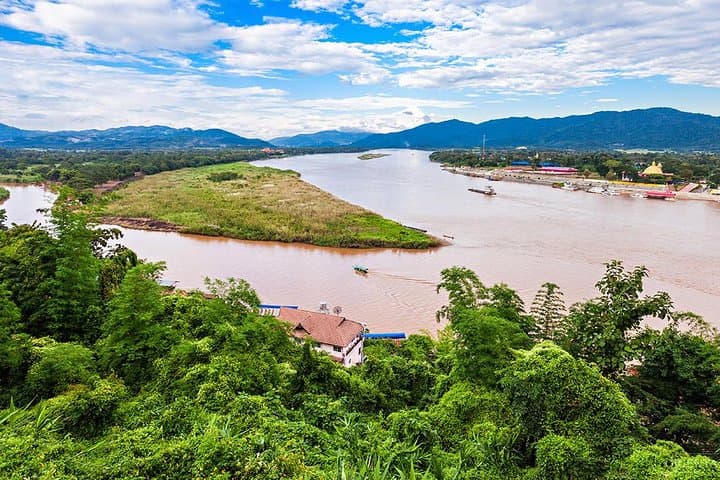
This two-day private package threads cultural history and borderland geology. Chiang Rai sits on the northern edge of the Shan Plateau where the Mekong sketches an international border; centuries of trade, the Lanna Kingdom and more recent opium economies overlap at the Golden Triangle. The trip pairs contemporary art-architecture of the White Temple with the austere Black House (Ban Dam), hill-tribe villages where weaving and brass jewelry carry their own stories, and the rolling, wind-ruffled slopes of tea plantations and Singha Park.
Expect guided walks of short to moderate length—temple courtyards, village paths and viewpoints—plus a one-hour boat crossing to the Lao shore at the Golden Triangle. The pace is sightseeing with light hiking: stairs, uneven village tracks and occasional muddy patches after rain. Practical notes: bring your passport for the Laos boat stop, wear smart-casual clothes at religious sites (shoulders and knees covered), and pack a light rain shell and sturdy walking shoes. Early starts avoid midday heat and improve viewing at Silk Road–like border vistas.
For photographers and culturally curious travelers this tour combines accessible outdoor moments with sharp cultural contrasts—ideal for those who want an active, low-impact immersion in northern Thailand’s landscapes and communities.
easy.
2 days (approx. 48 hours).
Suitable for most travelers with light walking ability; includes short hikes, stairs and uneven paths.
Requirements depend on nationality—many travelers can visit the Lao riverside without a full visa but must follow short-stay rules; bring your passport and check visa exemptions before travel.
Walking is light: short temple walks, village paths and viewpoints. There are stairs and occasional uneven or muddy sections, but no sustained hikes.
Yes—this package includes one night’s 3-star accommodation and the listed meals (1 breakfast, 2 lunches, 1 dinner); check dietary requests at booking.
The tour is family-friendly but not fully wheelchair accessible; some village paths and temple areas have steps—contact the operator to discuss specific mobility needs.
Chiang Rai formed part of the Lanna Kingdom and later became a crossroads in the Golden Triangle—an area historically associated with opium trade and cross-border commerce.
Respect hill-tribe communities by declining exploitative souvenirs and avoid feeding wildlife; stick to marked paths to limit erosion and keep waterways free of plastic.
Chiang Mai Local Tours operates guided outdoor trips and adventures with an emphasis on safety, stewardship, and memorable experiences.
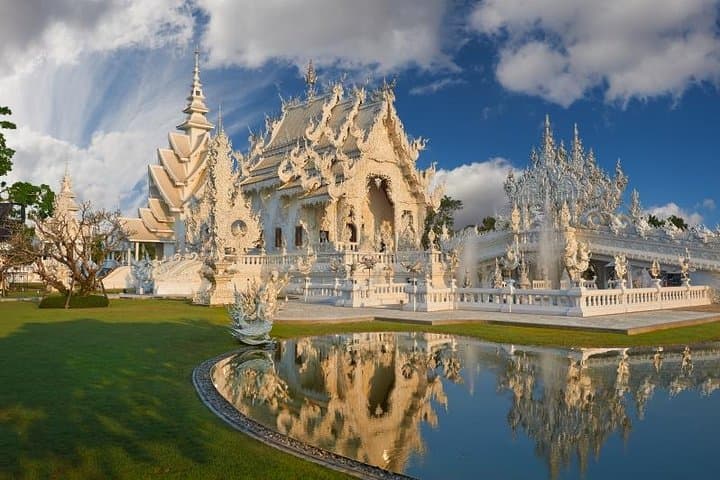
You step off the air-conditioned van into a cool northern breeze and Wat Rong Khun—known as the White Temple—looms like an impossible sculpture of white lacquer and mirrored glass. The desert of concrete in Chiang Mai fades behind you; rice terraces, tea rows and a river that seems to dare you to cross it lie ahead.
You step off the air-conditioned van into a cool northern breeze and Wat Rong Khun—known as the White Temple—looms like an impossible sculpture of white lacquer and mirrored glass. The desert of concrete in Chiang Mai fades behind you; rice terraces, tea rows and a river that seems to dare you to cross it lie ahead.
This two-day private package threads cultural history and borderland geology. Chiang Rai sits on the northern edge of the Shan Plateau where the Mekong sketches an international border; centuries of trade, the Lanna Kingdom and more recent opium economies overlap at the Golden Triangle. The trip pairs contemporary art-architecture of the White Temple with the austere Black House (Ban Dam), hill-tribe villages where weaving and brass jewelry carry their own stories, and the rolling, wind-ruffled slopes of tea plantations and Singha Park.
Expect guided walks of short to moderate length—temple courtyards, village paths and viewpoints—plus a one-hour boat crossing to the Lao shore at the Golden Triangle. The pace is sightseeing with light hiking: stairs, uneven village tracks and occasional muddy patches after rain. Practical notes: bring your passport for the Laos boat stop, wear smart-casual clothes at religious sites (shoulders and knees covered), and pack a light rain shell and sturdy walking shoes. Early starts avoid midday heat and improve viewing at Silk Road–like border vistas.
For photographers and culturally curious travelers this tour combines accessible outdoor moments with sharp cultural contrasts—ideal for those who want an active, low-impact immersion in northern Thailand’s landscapes and communities.