THE ADVENTURE COLLECTIVE® · Independent discovery and booking for outdoor travel

A two-day road trip from Vilnius that pairs medieval castles with the raw coastal beauty of the Curonian Spit. Expect historic keeps, bird‑watching at Ventė Cape, an overnight in Rusnė, and the sand-swept dunes of a UNESCO park.
A two-day road trip from Vilnius that pairs medieval castles with the raw coastal beauty of the Curonian Spit. Expect historic keeps, bird‑watching at Ventė Cape, an overnight in Rusnė, and the sand-swept dunes of a UNESCO park.
Morning light in Vilnius gives way to open road: a two-day loop that pushes from lakeside fortresses into the flat, wind-swept edge of the Baltic.
Verified experiences and guided adventures in the surrounding area.
Operated by Karolis - The Guide · Vilnius, Vilnius County
Morning light in Vilnius gives way to open road: a two-day loop that pushes from lakeside fortresses into the flat, wind-swept edge of the Baltic.
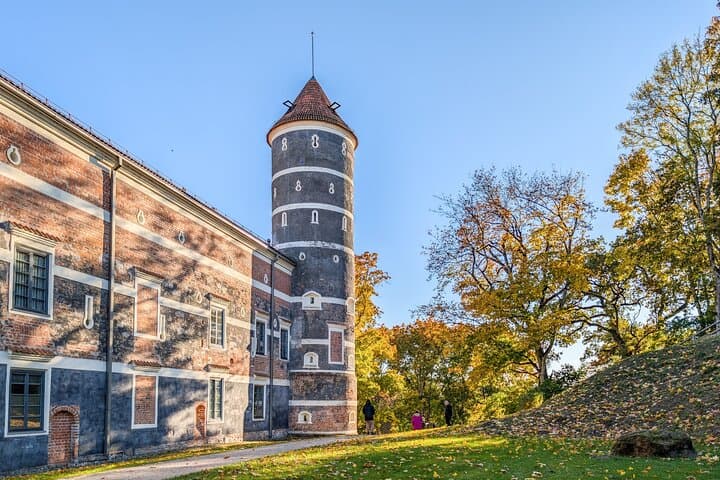
Start at Trakai Castle — the red-brick island keep rises from Lake Galvė, its towers cutting a clean line against reeds and water. As the minibus threads pine-lined roads you pass spa towns where mineral springs shaped local life and small wooden villages that still remember river rhythms. Raudonė Castle sits on the Nemunas, a Neo‑Gothic marker of the region’s layered past; Rusnė’s guesthouses offer quiet canals, flat marshes and the chance for a sauna and lantern-lit evenings.
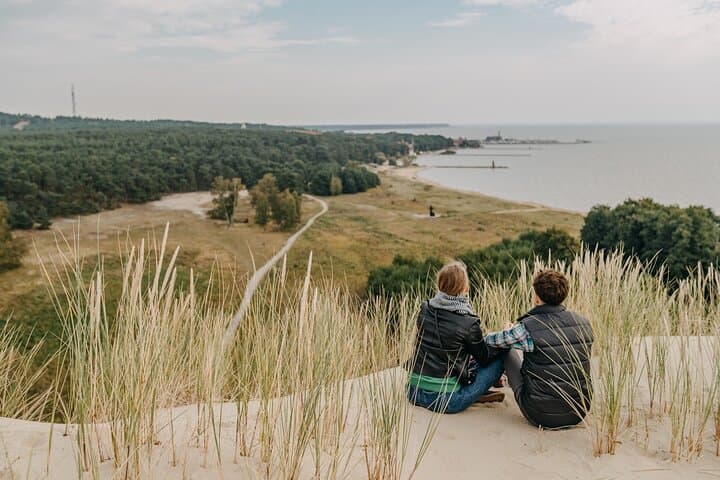
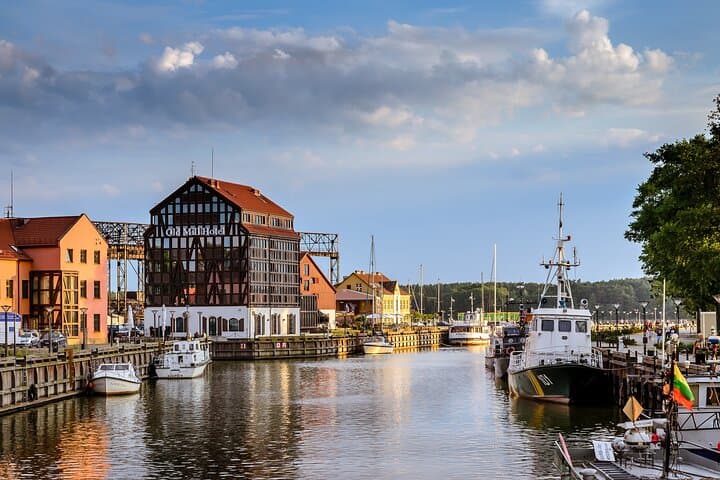
Day two turns to coast: Ventė Cape’s low spit extends into the Curonian Lagoon, its lighthouse and century-old bird‑ringing station drawing migratory flocks every autumn. Klaipėda’s riverfront and German‑style Old Town give a livelier contrast before the drive out to the Curonian Spit’s shifting dunes — a UNESCO landscape of sand, wind and pine where the land literally moves with the weather.
History here is visible: Teutonic, Lithuanian dukes, Hanseatic trade and coastal fishing cultures overlap across sites. Geology is simple and dramatic — glacial legacy, lagoon sediments and wind-driven dunes.
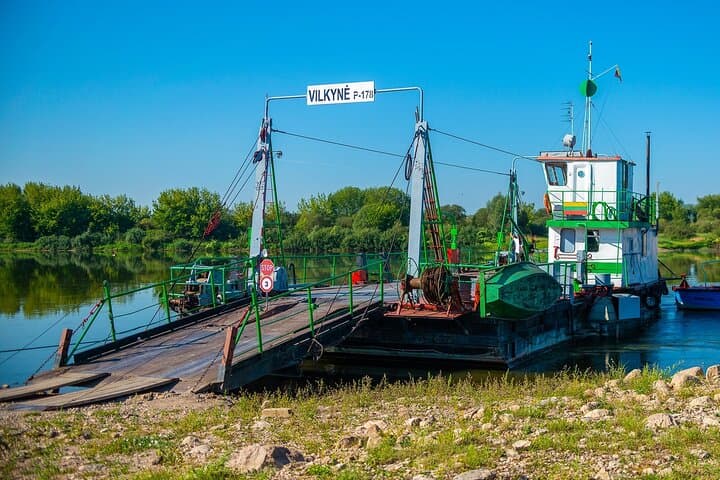
Practical: bring sturdy walking shoes for cobblestones and dune sand, layers for coastal wind, and a refillable bottle for long drives between stops. Expect short guided walks at each site, one overnight in Rusnė, and ferry crossings; the itinerary is relaxed but requires basic mobility for castle steps and boardwalks.
moderate.
2 days.
Light to moderate fitness; able to walk short distances (20–60 minutes) and negotiate stairs and sandy stretches.
Climbing the lighthouse is optional and subject to opening hours; the grounds and bird‑ringing station are the main draw.
Accommodations are traditional guesthouses — comfortable and local in character, often with simple amenities and the option of a sauna.
Short guided stops at castles are included in the itinerary; check the tour details for which internal admissions are covered.
Expect short guided walks at each stop (typically 30–60 minutes) and the ability to climb castle stairs and navigate sandy paths.
The route links medieval Lithuanian dukes and Hanseatic port history — castles, manors and Klaipėda’s Germanic architecture reflect centuries of shifting borders.
The Curonian Spit is a protected UNESCO site; stay on marked trails to avoid destabilizing dunes and respect bird‑ringing stations to minimize disturbance.
Karolis - The Guide operates guided outdoor trips and adventures with an emphasis on safety, stewardship, and memorable experiences.
Morning light in Vilnius gives way to open road: a two-day loop that pushes from lakeside fortresses into the flat, wind-swept edge of the Baltic.
Morning light in Vilnius gives way to open road: a two-day loop that pushes from lakeside fortresses into the flat, wind-swept edge of the Baltic.
Start at Trakai Castle — the red-brick island keep rises from Lake Galvė, its towers cutting a clean line against reeds and water. As the minibus threads pine-lined roads you pass spa towns where mineral springs shaped local life and small wooden villages that still remember river rhythms. Raudonė Castle sits on the Nemunas, a Neo‑Gothic marker of the region’s layered past; Rusnė’s guesthouses offer quiet canals, flat marshes and the chance for a sauna and lantern-lit evenings.
Day two turns to coast: Ventė Cape’s low spit extends into the Curonian Lagoon, its lighthouse and century-old bird‑ringing station drawing migratory flocks every autumn. Klaipėda’s riverfront and German‑style Old Town give a livelier contrast before the drive out to the Curonian Spit’s shifting dunes — a UNESCO landscape of sand, wind and pine where the land literally moves with the weather.
History here is visible: Teutonic, Lithuanian dukes, Hanseatic trade and coastal fishing cultures overlap across sites. Geology is simple and dramatic — glacial legacy, lagoon sediments and wind-driven dunes.
Practical: bring sturdy walking shoes for cobblestones and dune sand, layers for coastal wind, and a refillable bottle for long drives between stops. Expect short guided walks at each site, one overnight in Rusnė, and ferry crossings; the itinerary is relaxed but requires basic mobility for castle steps and boardwalks.