THE ADVENTURE COLLECTIVE® · Independent discovery and booking for outdoor travel

A compact 2‑day road trip from Vilnius that pairs medieval castles with Baltic coastlines. Explore Trakai and Raudonė, sleep on Rusnė island, and watch migratory birds at Ventė Ragas before finishing at Klaipėda and the Curonian Spit.
A compact 2‑day road trip from Vilnius that pairs medieval castles with Baltic coastlines. Explore Trakai and Raudonė, sleep on Rusnė island, and watch migratory birds at Ventė Ragas before finishing at Klaipėda and the Curonian Spit.
You step out of Vilnius traffic into a landscape that shifts from lakeside moats and red‑brick towers to reed-lined lagoons and wind-scoured dunes.
Verified experiences and guided adventures in the surrounding area.
Operated by Karolis - The Guide · Vilnius, Vilnius County
You step out of Vilnius traffic into a landscape that shifts from lakeside moats and red‑brick towers to reed-lined lagoons and wind-scoured dunes.
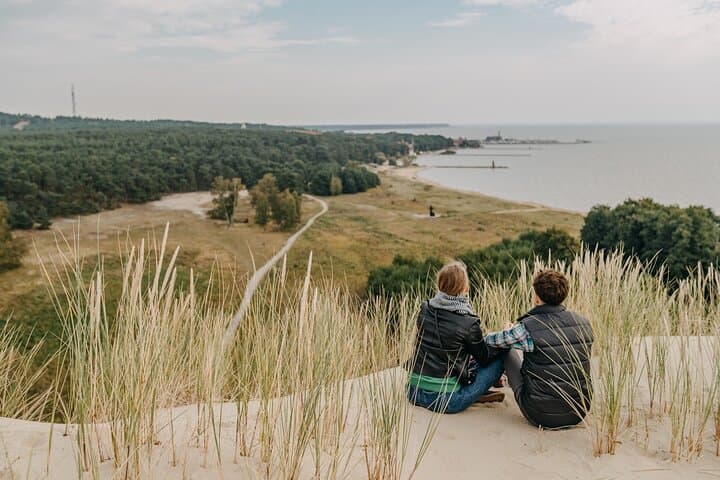
Day one opens at Trakai Castle, its fortified silhouette reflected in Lake Galvė; later, narrow roads thread forests toward Raudonė and small riverside villages where brick and stone mark centuries of borderland history. Geology here is quiet but decisive: glacially scoured lakes and the Curonian Lagoon’s flat, sandy spit were shaped by ice and wind, and the slow work of currents still moves dunes along the spit.
Culturally the route mixes Lithuanian grand-ducal history with rural Samogitian and Curonian traditions — simple guesthouse cooking, fishing culture on Rusnė island, and the lighthouse keepers’ legacy at Ventė Ragas. The cape’s bird‑ringing station has tracked migrations for nearly a century; in autumn the sky becomes a living highway.
Practical guidance: the itinerary is driving-heavy but low‑impact walking — expect short on‑foot explorations (30–60 minutes) at each stop. Pack layered outerwear for coastal winds and a compact daypack for camera, water, and documents. Ferry crossings and narrow backroads can be breezy; keep valuables secure and allow flexible time for birdwatching or a quiet riverside pause. Start early to avoid midday crowds at Trakai and aim for golden hour at Ventė Ragas when the lighthouse casts long shadows across migrating flocks. Roads are paved for most of the route, but rural lanes narrow — a comfortable vehicle and a calm driver make the difference between a rushed route and a relaxed discovery.
moderate.
2 days.
Light walking ability is sufficient; travelers should be comfortable with multiple short walks and a few stairs at historic sites.
The tour notes some admissions as included for specific stops like Raudonė and Ventė Ragas, but check the booking page for exact inclusions as policies can vary.
Expect several hours of driving across both days with short walks at stops; the tour is designed for relaxed sightseeing rather than long hikes.
Accommodation is in a traditional countryside guesthouse offering local character—comfortable but not a large modern hotel; some lodgings may include a sauna.
Service animals are allowed per the operator; pets should be confirmed in advance with the tour provider.
Trakai Castle dates to the 14th century as a Grand Duchy residence; the Curonian Spit is a UNESCO site recognized for its unique shifting dunes and cultural heritage.
The Curonian Spit and Ventė Ragas are managed to protect migrating birds and fragile dune ecosystems — stick to marked paths and avoid removing sand or vegetation.
Karolis - The Guide operates guided outdoor trips and adventures with an emphasis on safety, stewardship, and memorable experiences.
You step out of Vilnius traffic into a landscape that shifts from lakeside moats and red‑brick towers to reed-lined lagoons and wind-scoured dunes.
You step out of Vilnius traffic into a landscape that shifts from lakeside moats and red‑brick towers to reed-lined lagoons and wind-scoured dunes.
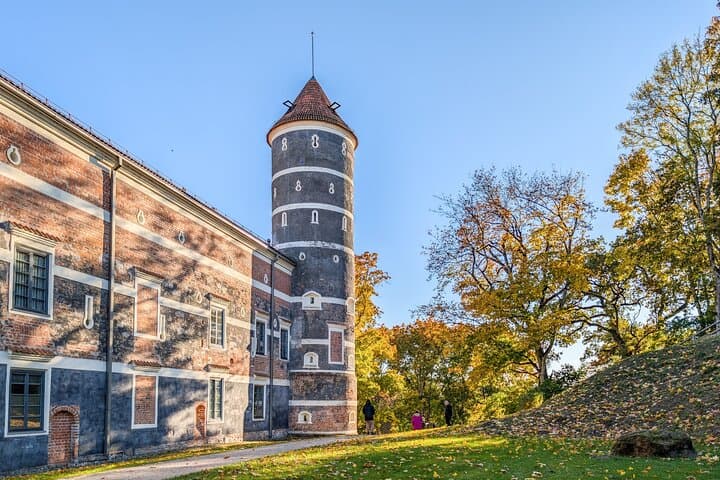
Day one opens at Trakai Castle, its fortified silhouette reflected in Lake Galvė; later, narrow roads thread forests toward Raudonė and small riverside villages where brick and stone mark centuries of borderland history. Geology here is quiet but decisive: glacially scoured lakes and the Curonian Lagoon’s flat, sandy spit were shaped by ice and wind, and the slow work of currents still moves dunes along the spit.
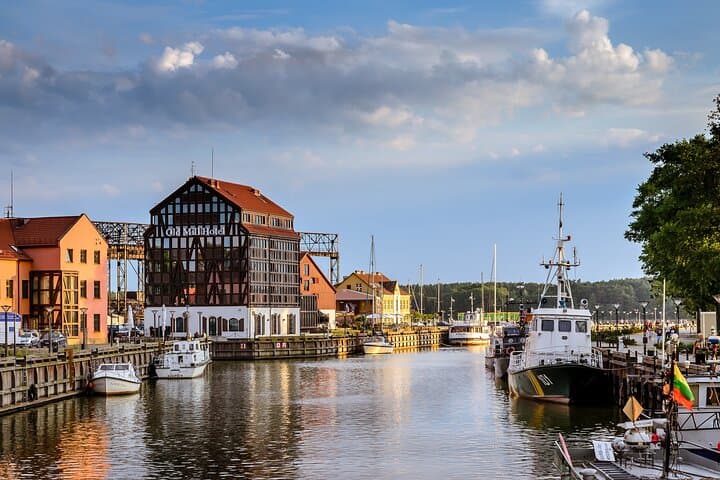
Culturally the route mixes Lithuanian grand-ducal history with rural Samogitian and Curonian traditions — simple guesthouse cooking, fishing culture on Rusnė island, and the lighthouse keepers’ legacy at Ventė Ragas. The cape’s bird‑ringing station has tracked migrations for nearly a century; in autumn the sky becomes a living highway.
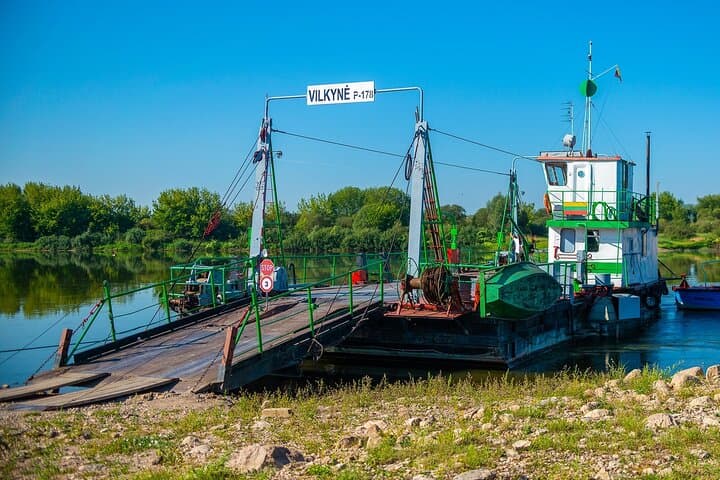
Practical guidance: the itinerary is driving-heavy but low‑impact walking — expect short on‑foot explorations (30–60 minutes) at each stop. Pack layered outerwear for coastal winds and a compact daypack for camera, water, and documents. Ferry crossings and narrow backroads can be breezy; keep valuables secure and allow flexible time for birdwatching or a quiet riverside pause. Start early to avoid midday crowds at Trakai and aim for golden hour at Ventė Ragas when the lighthouse casts long shadows across migrating flocks. Roads are paved for most of the route, but rural lanes narrow — a comfortable vehicle and a calm driver make the difference between a rushed route and a relaxed discovery.