THE ADVENTURE COLLECTIVE® · Independent discovery and booking for outdoor travel

A compact, guided two-day journey from Antalya into Cappadocia’s sculpted valleys and underground cities. Explore Uçhisar Castle, Göreme Open Air Museum and the pottery town of Avanos with dinner and one-night hotel included.
A compact, guided two-day journey from Antalya into Cappadocia’s sculpted valleys and underground cities. Explore Uçhisar Castle, Göreme Open Air Museum and the pottery town of Avanos with dinner and one-night hotel included.
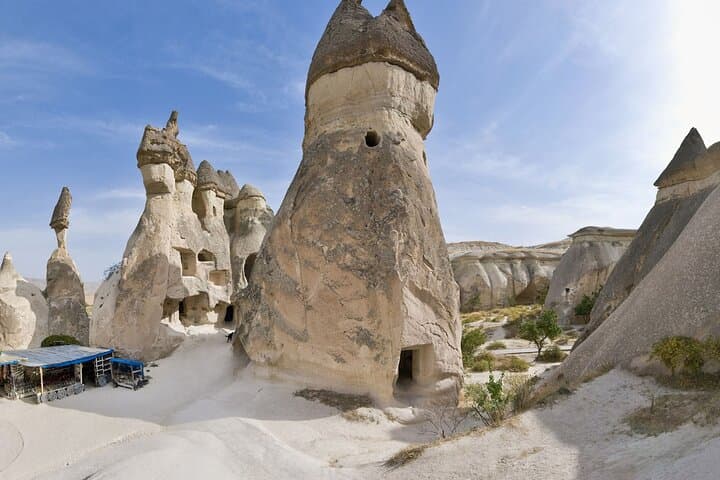
You wake before dawn in Antalya and the road unfolds — orange highway light giving way to a wide, pumice-strewn plateau. By late afternoon the landscape changes: stubby towers and mushroom-shaped pinnacles rise from the pale ground, wind and winter having carved soft tuff into the fairy chimneys that define Cappadocia.
Verified experiences and guided adventures in the surrounding area.
Operated by Neris Tour · Göreme, Nevşehir Province
You wake before dawn in Antalya and the road unfolds — orange highway light giving way to a wide, pumice-strewn plateau. By late afternoon the landscape changes: stubby towers and mushroom-shaped pinnacles rise from the pale ground, wind and winter having carved soft tuff into the fairy chimneys that define Cappadocia.
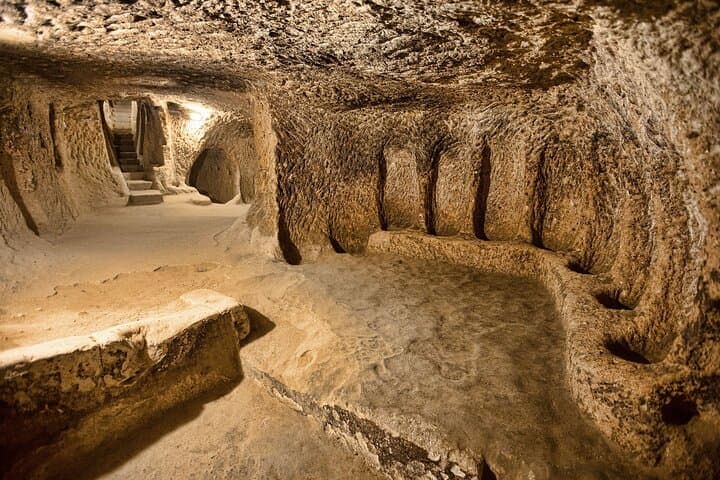
This two-day tour threads cultural history into geology. Volcanic ash compacted into tuff, then sculpted by water and wind, produced the region’s carved homes and cave churches. Early Christians retreated into subterranean refuges like Saratlı (Sarıtaş) Underground City; Seljuk and caravan-era waystations such as Sultanhanı later stitched the region into Anatolian trade routes. Avanos still turns pottery on a wheel powered by centuries of red-clay tradition.
Expect short walks on uneven rock and dirt tracks, stair-stepped castle rooms at Uçhisar, and narrow, cool passages underground. The Göreme Open Air Museum packs painted chapels from the 4th–13th centuries, each fresco a practical map of liturgy and survival. Night one is in a 4-star hotel; transport is by air-conditioned coach with hotel pickup.
Practical essentials: carry sturdy shoes for cobbles and carved steps, a headlamp for tight underground passages, and a daypack with water and layers — the plateau sits near 1,200 m so temperatures swing. Plan photography for sunrise or sunset at Uçhisar; interior frescoes require low ISO and steady hands. The tour balances drive time with concentrated on-foot exploration: if you want deeper hikes or balloon flights, schedule extra days. Respect fragile rock and frescoes — the landscape responds slowly, but visitors move quickly; stay on paths and leave the stone as you found it.
moderate.
2 days (approx. 48 hours).
Suitable for travelers in average fitness who can handle several hours of walking over uneven terrain and stairs.
Expect roughly 7–8 hours of coach travel each way (approx. 520–560 km), with stops en route; the itinerary balances driving with site visits.
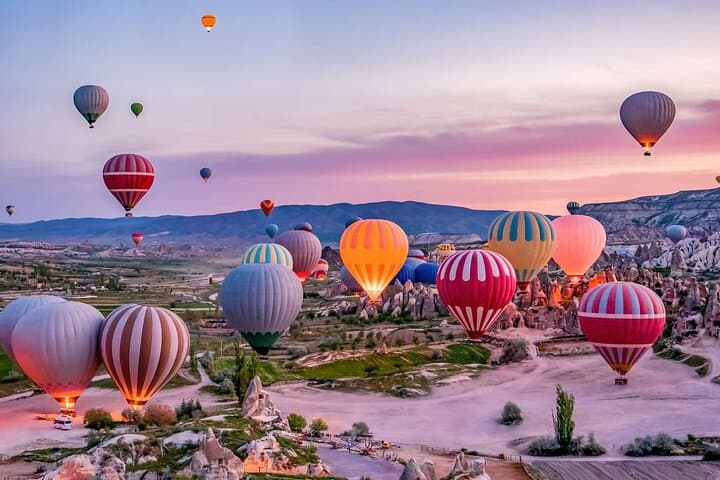
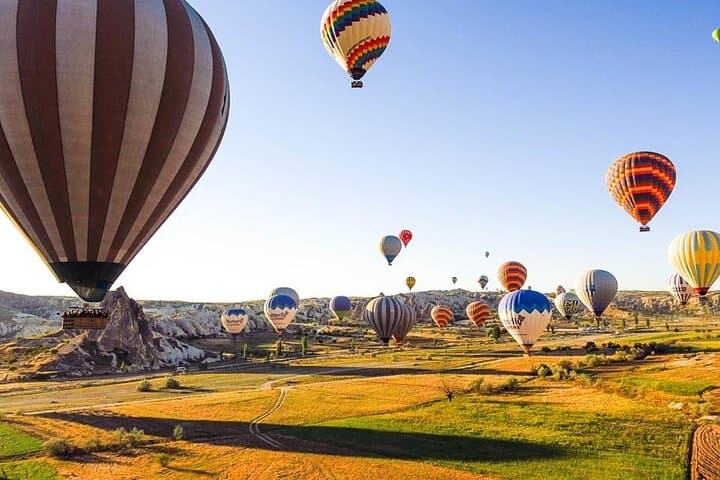
No — balloon flights are not included. They can be booked locally but require an early start and separate payment.
Passages can be narrow and low; those with severe claustrophobia should avoid confined sections or consult guides for alternatives.
Moderate: short to medium walks on uneven ground, stone stairs and some standing during site explanations — no technical climbing.
Cappadocia’s rock-cut churches and underground cities reflect Christian refuge strategies from Roman persecution and strategic reuse under Seljuk and Ottoman periods.
The soft tuff is fragile; follow marked trails, avoid touching frescoes, and support local guides who promote low-impact tourism.
Neris Tour operates guided outdoor trips and adventures with an emphasis on safety, stewardship, and memorable experiences.
You wake before dawn in Antalya and the road unfolds — orange highway light giving way to a wide, pumice-strewn plateau. By late afternoon the landscape changes: stubby towers and mushroom-shaped pinnacles rise from the pale ground, wind and winter having carved soft tuff into the fairy chimneys that define Cappadocia.
You wake before dawn in Antalya and the road unfolds — orange highway light giving way to a wide, pumice-strewn plateau. By late afternoon the landscape changes: stubby towers and mushroom-shaped pinnacles rise from the pale ground, wind and winter having carved soft tuff into the fairy chimneys that define Cappadocia.
This two-day tour threads cultural history into geology. Volcanic ash compacted into tuff, then sculpted by water and wind, produced the region’s carved homes and cave churches. Early Christians retreated into subterranean refuges like Saratlı (Sarıtaş) Underground City; Seljuk and caravan-era waystations such as Sultanhanı later stitched the region into Anatolian trade routes. Avanos still turns pottery on a wheel powered by centuries of red-clay tradition.
Expect short walks on uneven rock and dirt tracks, stair-stepped castle rooms at Uçhisar, and narrow, cool passages underground. The Göreme Open Air Museum packs painted chapels from the 4th–13th centuries, each fresco a practical map of liturgy and survival. Night one is in a 4-star hotel; transport is by air-conditioned coach with hotel pickup.
Practical essentials: carry sturdy shoes for cobbles and carved steps, a headlamp for tight underground passages, and a daypack with water and layers — the plateau sits near 1,200 m so temperatures swing. Plan photography for sunrise or sunset at Uçhisar; interior frescoes require low ISO and steady hands. The tour balances drive time with concentrated on-foot exploration: if you want deeper hikes or balloon flights, schedule extra days. Respect fragile rock and frescoes — the landscape responds slowly, but visitors move quickly; stay on paths and leave the stone as you found it.