THE ADVENTURE COLLECTIVE® · Independent discovery and booking for outdoor travel

Two days in Cappadocia distill the region into soaring skylines, underground refuge and a night in a cave hotel. This fast-paced itinerary from Istanbul covers the Göreme Open-Air Museum, fairy chimneys, pottery in Avanos and an optional hot-air balloon—everything you need to plan the trip.
Two days in Cappadocia distill the region into soaring skylines, underground refuge and a night in a cave hotel. This fast-paced itinerary from Istanbul covers the Göreme Open-Air Museum, fairy chimneys, pottery in Avanos and an optional hot-air balloon—everything you need to plan the trip.
You step out of the minibus before dawn and the plateau breathes pink light. Low clouds sip at the toothy skyline while the fairy chimneys—tall, honey-colored columns of volcanic tuff—stand like patient hosts. For two days, Cappadocia changes the rules: history is carved into rock, towns sit on ledges, and the sky fills with balloons that seem to lift the past as much as the present.
Verified experiences and guided adventures in the surrounding area.
Operated by Tour Altinkum Travel · Göreme, Nevşehir Province
You step out of the minibus before dawn and the plateau breathes pink light. Low clouds sip at the toothy skyline while the fairy chimneys—tall, honey-colored columns of volcanic tuff—stand like patient hosts. For two days, Cappadocia changes the rules: history is carved into rock, towns sit on ledges, and the sky fills with balloons that seem to lift the past as much as the present.
This short, intense itinerary moves fast but cleanly: a domestic flight from Istanbul to Kayseri, a full day of the classic loop—Göreme Open-Air Museum, Devrent Valley’s strange animal-forms, Pasabag’s mushroom-headed chimneys, pottery in Avanos, and a sunset through Red and Rose Valleys—then a night in a cave hotel. Day two digs deeper: Pigeon Valley walks, an underground city that once sheltered communities within eight storeys of carved rooms and nearly 30 km of passages, and the rock-castle overlooks of Uçhisar and Ortahisar before returning to Kayseri and flight home.
Geology and history are the backbone here. Cappadocia’s formations owe themselves to volcanic ash compacted into tuff and wind and water chiseling that soft stone into chimneys and canyons over millennia. Early Christians repurposed the pliable rock into churches, dovecotes and subterranean refuges; frescoes in the Göreme churches still show pigments that have survived nearly a thousand years.
Local culture is practical and proud: potters at Avanos still use the red clay from the Kızılırmak River, and village life hinges on terraces and orchards carved into slopes around 1,000–1,200 m elevation. If you opt for a hot-air balloon, remember flights depend on civil aviation safety and weather—operators cancel when conditions are unsafe.
Practicalities: the tour includes airport transfers, one cave-hotel night, two lunches and guided touring with groups capped at about 10 travelers. If you book the flight-included option, domestic tickets are handled; otherwise purchase recommended Kayseri–Istanbul flights yourself and confirm times with the operator.
Packing and pacing tips: sturdy walking shoes for uneven tuff and short scrambles; layered clothing—mornings and nights are cool at this altitude while midday can be hot; a refillable water bottle and sun protection; small cash for tips, souvenirs or balloon payment if you prefer to pay locally. Allow buffer time at airports—the driver will drop you at check-in and there’s no assistant through security.
For photographers, sunrise and sunset transform the valleys; for history buffs, the frescoed churches and underground cities deliver. In 48 hours you won’t see every gorge, but you will leave with a clear sense of how people and stone have shaped each other in Cappadocia.
moderate.
2 days.
Moderate fitness—able to walk 3–6 km over uneven terrain and climb stairs in underground cities.
No—balloon rides are optional and not included; inform the provider after booking if you want them to reserve a spot and expect to pay locally.
There are two options: book the tour with flights included (domestic tickets provided) or without flights—in the latter case buy recommended Kayseri–Istanbul flights and share details with the operator.
Cave hotels are converted stone rooms carved into tuff—comfortable, often cooler than outside in summer and warm in winter, with modern amenities.
Entrance fees are excluded, but guides often carry skip-the-line tickets for major sites to save time.
Yes—this itinerary is suitable for families; infant seats are available and physical requirements are moderate.
Balloon flights are subject to Civil Aviation Authority rules—if canceled for safety you receive a full refund or can reschedule when possible.
Early Christians carved churches, monasteries and subterranean cities into the soft tuff; the region was a crossroads for Byzantine monasticism and trade.
Visitor impact is managed through controlled access to delicate frescoes and marked trails—stay on paths and avoid touching rock-cut art to preserve it.
Tour Altinkum Travel operates guided outdoor trips and adventures with an emphasis on safety, stewardship, and memorable experiences.

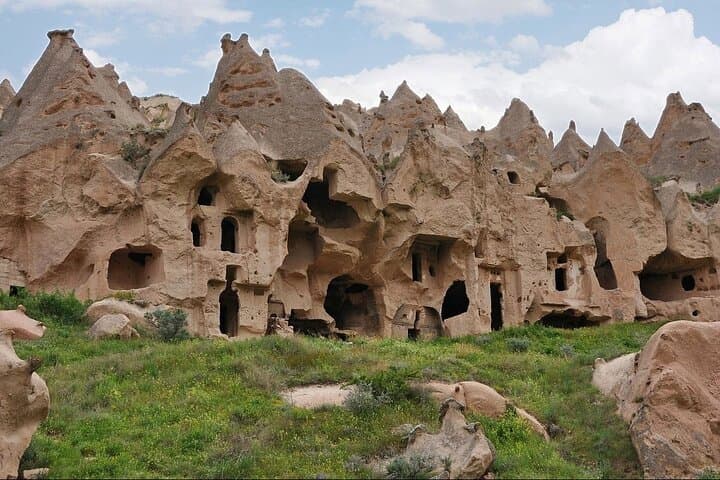


You step out of the minibus before dawn and the plateau breathes pink light. Low clouds sip at the toothy skyline while the fairy chimneys—tall, honey-colored columns of volcanic tuff—stand like patient hosts. For two days, Cappadocia changes the rules: history is carved into rock, towns sit on ledges, and the sky fills with balloons that seem to lift the past as much as the present.
You step out of the minibus before dawn and the plateau breathes pink light. Low clouds sip at the toothy skyline while the fairy chimneys—tall, honey-colored columns of volcanic tuff—stand like patient hosts. For two days, Cappadocia changes the rules: history is carved into rock, towns sit on ledges, and the sky fills with balloons that seem to lift the past as much as the present.
This short, intense itinerary moves fast but cleanly: a domestic flight from Istanbul to Kayseri, a full day of the classic loop—Göreme Open-Air Museum, Devrent Valley’s strange animal-forms, Pasabag’s mushroom-headed chimneys, pottery in Avanos, and a sunset through Red and Rose Valleys—then a night in a cave hotel. Day two digs deeper: Pigeon Valley walks, an underground city that once sheltered communities within eight storeys of carved rooms and nearly 30 km of passages, and the rock-castle overlooks of Uçhisar and Ortahisar before returning to Kayseri and flight home.
Geology and history are the backbone here. Cappadocia’s formations owe themselves to volcanic ash compacted into tuff and wind and water chiseling that soft stone into chimneys and canyons over millennia. Early Christians repurposed the pliable rock into churches, dovecotes and subterranean refuges; frescoes in the Göreme churches still show pigments that have survived nearly a thousand years.
Local culture is practical and proud: potters at Avanos still use the red clay from the Kızılırmak River, and village life hinges on terraces and orchards carved into slopes around 1,000–1,200 m elevation. If you opt for a hot-air balloon, remember flights depend on civil aviation safety and weather—operators cancel when conditions are unsafe.
Practicalities: the tour includes airport transfers, one cave-hotel night, two lunches and guided touring with groups capped at about 10 travelers. If you book the flight-included option, domestic tickets are handled; otherwise purchase recommended Kayseri–Istanbul flights yourself and confirm times with the operator.
Packing and pacing tips: sturdy walking shoes for uneven tuff and short scrambles; layered clothing—mornings and nights are cool at this altitude while midday can be hot; a refillable water bottle and sun protection; small cash for tips, souvenirs or balloon payment if you prefer to pay locally. Allow buffer time at airports—the driver will drop you at check-in and there’s no assistant through security.
For photographers, sunrise and sunset transform the valleys; for history buffs, the frescoed churches and underground cities deliver. In 48 hours you won’t see every gorge, but you will leave with a clear sense of how people and stone have shaped each other in Cappadocia.