THE ADVENTURE COLLECTIVE® · Independent discovery and booking for outdoor travel

Two days tracing Cappadocia’s otherworldly valleys, underground cities and a night in an authentic cave hotel. Ideal for photographers and curious travelers who want geology, history and comfortable lodging in one compact itinerary.
Two days tracing Cappadocia’s otherworldly valleys, underground cities and a night in an authentic cave hotel. Ideal for photographers and curious travelers who want geology, history and comfortable lodging in one compact itinerary.
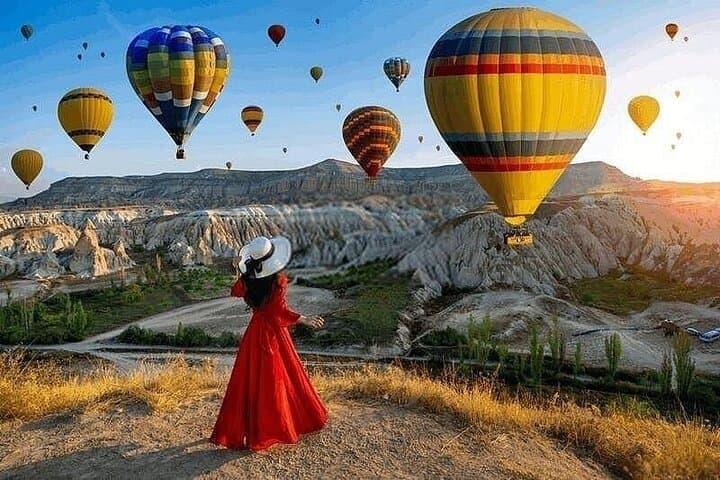
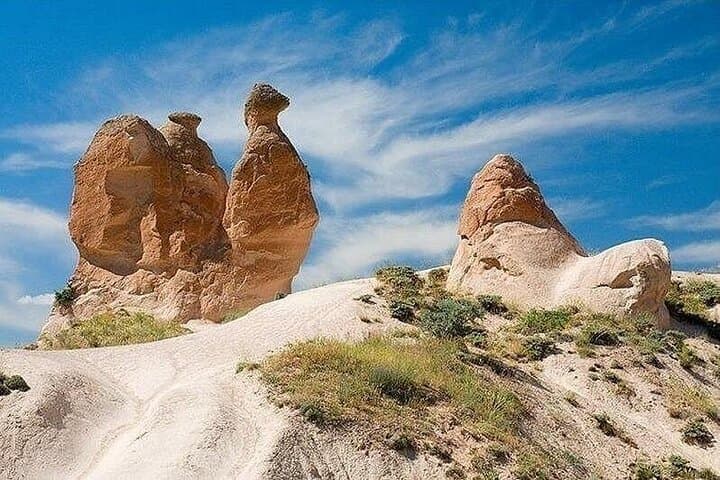
Morning light slices across alien pinnacles as the coach pulls into Cappadocia — a landscape that feels engineered by wind and time. Guests step down from an air-conditioned transfer into a quiet valley where fairy chimneys rise like weathered columns and pigeon houses peer down from tumbled cliffs.
Verified experiences and guided adventures in the surrounding area.
Operated by HARLEY · Ürgüp, Nevşehir
Morning light slices across alien pinnacles as the coach pulls into Cappadocia — a landscape that feels engineered by wind and time. Guests step down from an air-conditioned transfer into a quiet valley where fairy chimneys rise like weathered columns and pigeon houses peer down from tumbled cliffs.
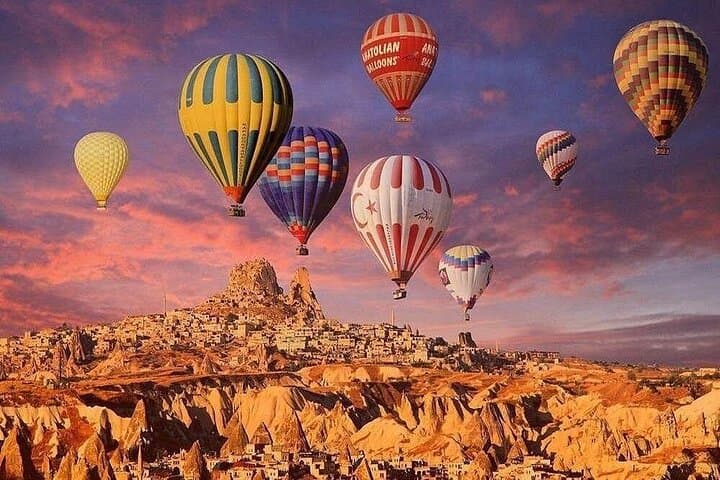
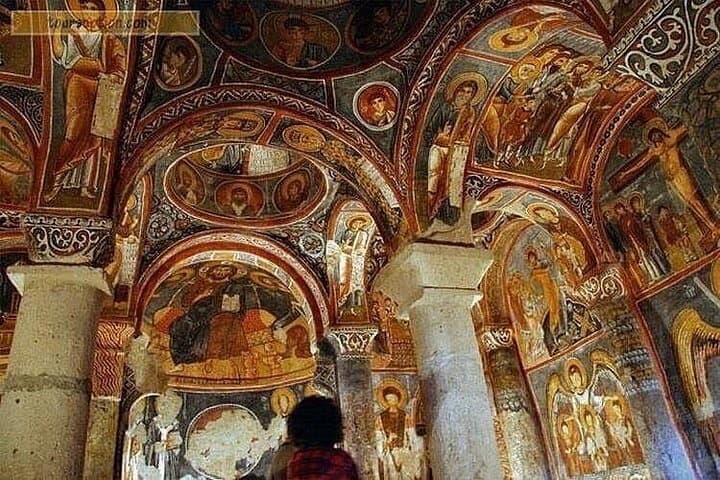
This two-day route threads geology and history: volcanic tuff carved into cones, behind which early Christians cut churches and entire underground refuges such as Tatlarin. Ürgüp’s cave hotels repurpose carved rooms, combining original stonework with modern comforts. Local culture surfaces in Avanos over pottery wheels and in Konya’s Mevlana Museum, where Sufi history and Rumi’s legacy shape the city’s spiritual tone.
Expect short hikes across uneven trails, photo stops at Devrent and Love Valleys, and a climb through Uchisar Castle’s chimneys for a wide, wind-buffed panorama. Guides narrate both natural processes and human stories — why the tuff erodes into columns, how subterranean cities stored grain and sheltered communities.
Practicalities: the tour runs with long coach transfers from Antalya and includes one cave-hotel night, breakfast and dinner, entrance to selected sites, and an English-speaking guide. Wear sturdy footwear for rocky paths, bring layers for cool mornings and warm afternoons, and carry local cash for pottery or small shop purchases. If touring in winter, expect icy patches and possible snow; summer demands early starts and sunscreen. With modest fitness and curiosity, travelers leave with both vivid photos and a solid primer on Cappadocia’s geology, culture, and quiet rhythms.
easy.
2 days.
Able to walk 1–3 miles across uneven terrain and climb short stone stairways; basic mobility required
The coach transfer covers several hundred kilometers and takes most of a day; expect long highway travel with rest stops—this tour includes the transit as part of the itinerary.
Yes—many cave hotels in Ürgüp are converted 4–5 star properties with modern plumbing and heating, preserving original stone rooms while meeting contemporary standards.
The itinerary is labeled easy, but underground cities and castle areas have narrow passages and stairs; discuss mobility needs with the operator prior to booking.
Most visitors to Turkey require an e‑visa (check nationality rules) and should carry some Turkish lira for small purchases, though many larger businesses accept cards.
Cappadocia’s carved dwellings and underground cities developed over millennia as people tunneled soft volcanic tuff to create homes, churches and refuges; many sites reflect Byzantine and early Christian uses.
The soft tuff erodes easily—stick to marked paths, avoid climbing fragile formations, and support local conservation fees when offered.
HARLEY operates guided outdoor trips and adventures with an emphasis on safety, stewardship, and memorable experiences.
Morning light slices across alien pinnacles as the coach pulls into Cappadocia — a landscape that feels engineered by wind and time. Guests step down from an air-conditioned transfer into a quiet valley where fairy chimneys rise like weathered columns and pigeon houses peer down from tumbled cliffs.
Morning light slices across alien pinnacles as the coach pulls into Cappadocia — a landscape that feels engineered by wind and time. Guests step down from an air-conditioned transfer into a quiet valley where fairy chimneys rise like weathered columns and pigeon houses peer down from tumbled cliffs.
This two-day route threads geology and history: volcanic tuff carved into cones, behind which early Christians cut churches and entire underground refuges such as Tatlarin. Ürgüp’s cave hotels repurpose carved rooms, combining original stonework with modern comforts. Local culture surfaces in Avanos over pottery wheels and in Konya’s Mevlana Museum, where Sufi history and Rumi’s legacy shape the city’s spiritual tone.
Expect short hikes across uneven trails, photo stops at Devrent and Love Valleys, and a climb through Uchisar Castle’s chimneys for a wide, wind-buffed panorama. Guides narrate both natural processes and human stories — why the tuff erodes into columns, how subterranean cities stored grain and sheltered communities.
Practicalities: the tour runs with long coach transfers from Antalya and includes one cave-hotel night, breakfast and dinner, entrance to selected sites, and an English-speaking guide. Wear sturdy footwear for rocky paths, bring layers for cool mornings and warm afternoons, and carry local cash for pottery or small shop purchases. If touring in winter, expect icy patches and possible snow; summer demands early starts and sunscreen. With modest fitness and curiosity, travelers leave with both vivid photos and a solid primer on Cappadocia’s geology, culture, and quiet rhythms.