THE ADVENTURE COLLECTIVE® · Independent discovery and booking for outdoor travel

Two days of karst passes, a cavern full of stalactites, and one of Vietnam’s largest waterfalls—this Cao Bang loop compresses wild scenery and village culture into a compact, easy trip. Ride a sleeper bus, stay in a homestay, and expect steep viewpoints and wet spray at Ban Gioc.
Two days of karst passes, a cavern full of stalactites, and one of Vietnam’s largest waterfalls—this Cao Bang loop compresses wild scenery and village culture into a compact, easy trip. Ride a sleeper bus, stay in a homestay, and expect steep viewpoints and wet spray at Ban Gioc.
A low, humid dawn breaks over the sleeper bus as it pulls into Cao Bang; mist clings to limestone teeth and the first rice terraces catch light like green mirrors. You step off with a stiff neck and a map of two days—winding passes, a cavern that opens into cool air, and a waterfall that roars on the Sino-Vietnam border.
Verified experiences and guided adventures in the surrounding area.
Operated by Authentic PHU QUOC · Cao Bang, Cao Bang Province
A low, humid dawn breaks over the sleeper bus as it pulls into Cao Bang; mist clings to limestone teeth and the first rice terraces catch light like green mirrors. You step off with a stiff neck and a map of two days—winding passes, a cavern that opens into cool air, and a waterfall that roars on the Sino-Vietnam border.
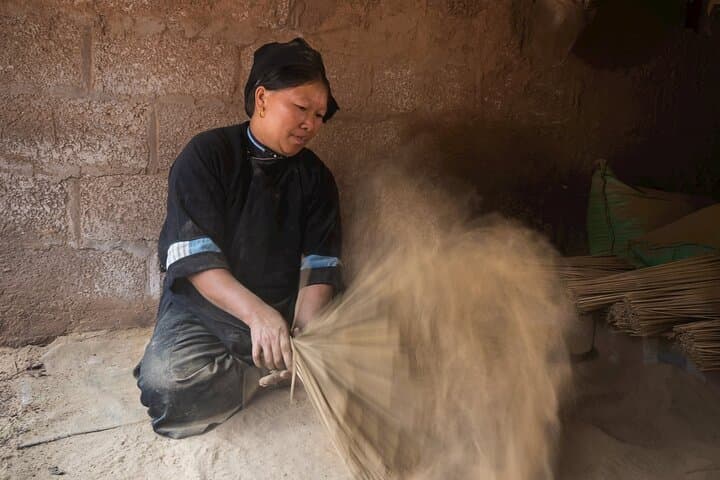
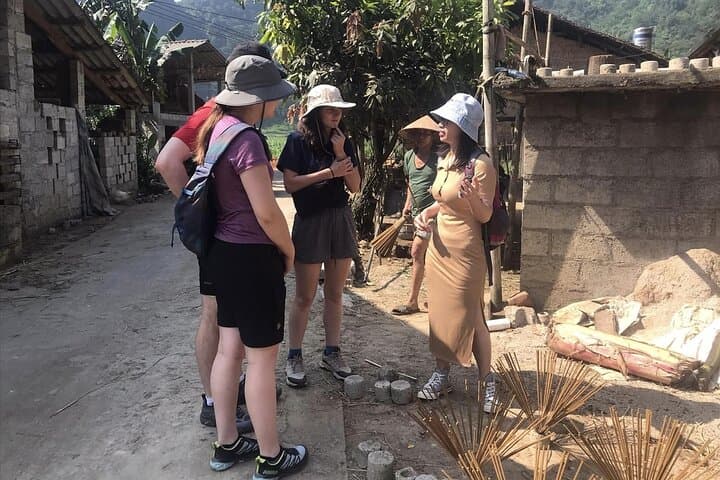
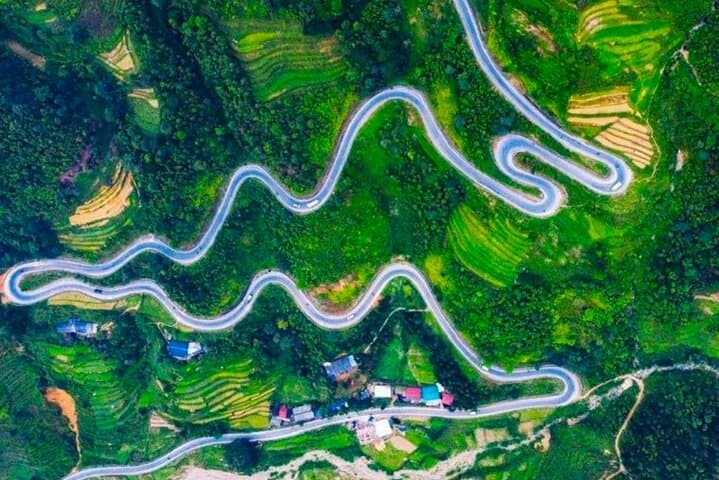
This short loop threads together the region’s geology and culture. Ma Phuc Pass climbs roughly 3.5 km of karst ridge to elevations above 700 m, offering abrupt cliff drops and roadside viewpoints. Ban Gioc Waterfall plunges roughly 30 m and stretches over 200 m at peak flow, sculpting travertine terraces where the Quay Son River slows and fans. Nguom Ngao Cave extends for more than 2 km of chambers and stalactites, evidence of millennia of limestone dissolution. The area is home to Tay, Nung and other ethnic groups—visits to Phia Thap incense workshops and homestays reveal craft techniques and communal rhythms.
Practicalities are straightforward: the tour moves by minivan and sleeper bus with one homestay night, short guided walks, and included entrance fees. Expect uneven paths near the waterfall and steps in the cave; the homestay offers basic comforts and local meals. Bring layers for cool mornings, waterproof protection for spray at Ban Gioc, and small bills for village purchases. Time your visit outside of heavy monsoon peaks for safer roads and fuller views.
This loop is ideal for travelers who want concentrated natural spectacle and cultural contact without technical trekking—two days of sensory contrast, from dark caverns to thundering water and high, wind-molded passes.
easy.
2 days.
Suitable for travelers in normal physical condition; includes short walks, stairs, and standing at viewpoints.
The tour includes round-trip bus tickets from Hanoi (sleeper bus); pickup is typically in Hanoi's Old Quarter—confirm your hotel pickup point when booking.
Homestays in the region are basic but clean, offering local meals and shared facilities; bring a small towel and modest expectations.
Swimming is generally not recommended because currents and seasonal variations can be strong; follow local signs and guides' advice.
Yes—this tour notes that entrance fees for Nguom Ngao and Ban Gioc and two lunches, two breakfasts and dinner are included, but bring cash for snacks and extras.
Cao Bang occupies a strategic borderland shaped by Sino-Vietnamese interactions and is home to diverse ethnic communities (Tay, Nung) with centuries-old craft traditions.
Ban Gioc and the Quay Son watershed are sensitive; stick to trails, avoid single-use plastics, and support community-run homestays to direct tourism benefits locally.
Authentic PHU QUOC operates guided outdoor trips and adventures with an emphasis on safety, stewardship, and memorable experiences.

A low, humid dawn breaks over the sleeper bus as it pulls into Cao Bang; mist clings to limestone teeth and the first rice terraces catch light like green mirrors. You step off with a stiff neck and a map of two days—winding passes, a cavern that opens into cool air, and a waterfall that roars on the Sino-Vietnam border.
A low, humid dawn breaks over the sleeper bus as it pulls into Cao Bang; mist clings to limestone teeth and the first rice terraces catch light like green mirrors. You step off with a stiff neck and a map of two days—winding passes, a cavern that opens into cool air, and a waterfall that roars on the Sino-Vietnam border.
This short loop threads together the region’s geology and culture. Ma Phuc Pass climbs roughly 3.5 km of karst ridge to elevations above 700 m, offering abrupt cliff drops and roadside viewpoints. Ban Gioc Waterfall plunges roughly 30 m and stretches over 200 m at peak flow, sculpting travertine terraces where the Quay Son River slows and fans. Nguom Ngao Cave extends for more than 2 km of chambers and stalactites, evidence of millennia of limestone dissolution. The area is home to Tay, Nung and other ethnic groups—visits to Phia Thap incense workshops and homestays reveal craft techniques and communal rhythms.
Practicalities are straightforward: the tour moves by minivan and sleeper bus with one homestay night, short guided walks, and included entrance fees. Expect uneven paths near the waterfall and steps in the cave; the homestay offers basic comforts and local meals. Bring layers for cool mornings, waterproof protection for spray at Ban Gioc, and small bills for village purchases. Time your visit outside of heavy monsoon peaks for safer roads and fuller views.
This loop is ideal for travelers who want concentrated natural spectacle and cultural contact without technical trekking—two days of sensory contrast, from dark caverns to thundering water and high, wind-molded passes.