THE ADVENTURE COLLECTIVE® · Independent discovery and booking for outdoor travel

Experience two contrasting East African landscapes in one compact camping safari: the diverse habitats of Lake Manyara and the dramatic, life-rich basin of Ngorongoro Crater. Expect early starts, basic camp comforts, and high chances to see elephants, flamingos and tree-climbing lions.
Experience two contrasting East African landscapes in one compact camping safari: the diverse habitats of Lake Manyara and the dramatic, life-rich basin of Ngorongoro Crater. Expect early starts, basic camp comforts, and high chances to see elephants, flamingos and tree-climbing lions.
Dawn breaks over acacia-tufted plains as your jeep rumbles away from Arusha and into a changing landscape—water forests, baobab-studded cliffs and a shallow, algae-streaked lake that throws flamingos in pink arcs across the horizon.
Verified experiences and guided adventures in the surrounding area.
Operated by Super Game Tanzania Tours and Safaris · Arusha, Arusha Region
Dawn breaks over acacia-tufted plains as your jeep rumbles away from Arusha and into a changing landscape—water forests, baobab-studded cliffs and a shallow, algae-streaked lake that throws flamingos in pink arcs across the horizon.
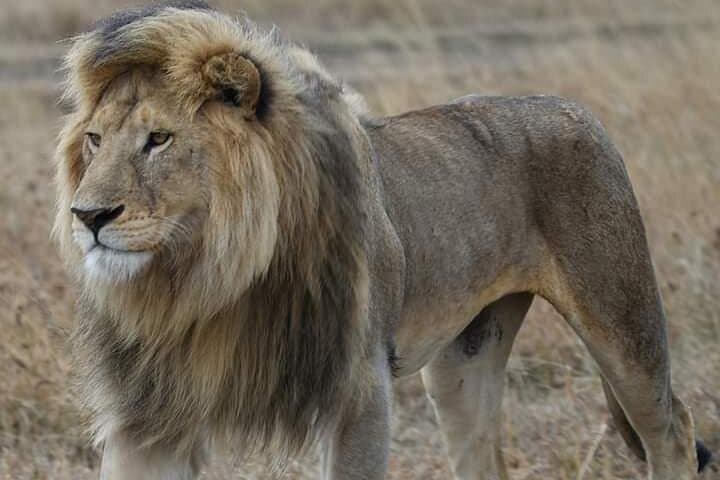
This two-day camping safari pairs Lake Manyara’s compressed diversity with the geological drama of the Ngorongoro Crater. Lake Manyara is small in size but big in habitats: hot springs, swamp margins and dense woodland attract massive baboon troops and tree-climbing lions. The following day you’ll descend roughly 600 meters into Ngorongoro’s volcanic bowl, where an enclosed plain fed by year-round water supports hippo, elephant, buffalo and a dense population of predators. Lake Magadi, the crater’s alkaline sink, often hosts flamingos and other water birds on its rim.
The region sits on old volcanic terrain carved by eruptions and erosion; Maasai pastoral culture has shaped the rimlands for generations and the Ngorongoro Conservation Area combines wildlife protection with traditional grazing rights.
Practical edge: camping here means early starts, long dirt-road transfers and variable temperatures—hot on the plains, cold by campsite after sunset. Expect basic campsites, tented sleeping and communal meals. Bring layered clothing, reliable boots, high-SPF sun protection and a refillable water bottle. Game viewing rewards patience—silhouettes of elephant herds and the sudden burst of a predator are common, but sightings can never be guaranteed. For first-time safari campers, prioritize hydration, early-morning drives and respecting park rules; the payoff is close-up wildlife in landscapes shaped by fire and time.
moderate.
2 days.
Suitable for travelers in average physical condition; involves some walking at viewpoints and getting in and out of vehicles.
Policies vary by operator; confirm with your booking whether national park and conservation area fees are included or payable on arrival.
Temperatures drop sharply after sunset—expect chilly nights, especially on the crater rim, so bring a warm sleeping layer.
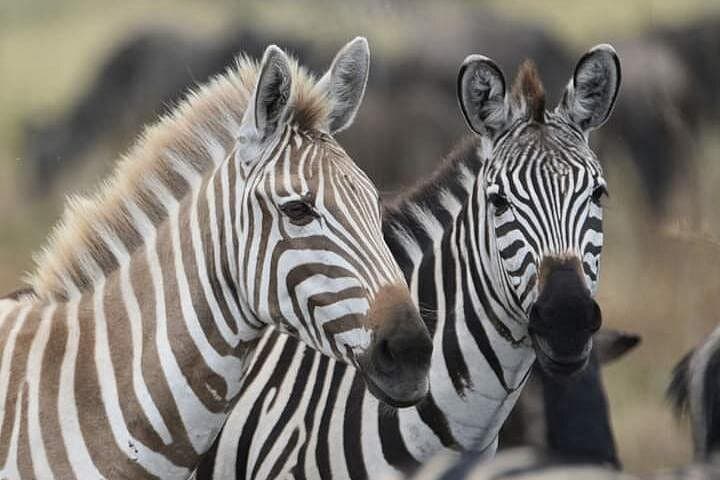
Ngorongoro has high chances to see most Big Five animals, but sightings are never guaranteed—timing and luck matter.
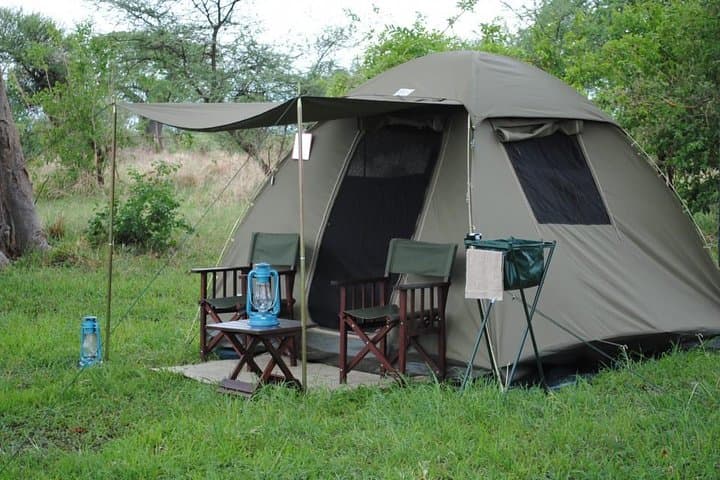
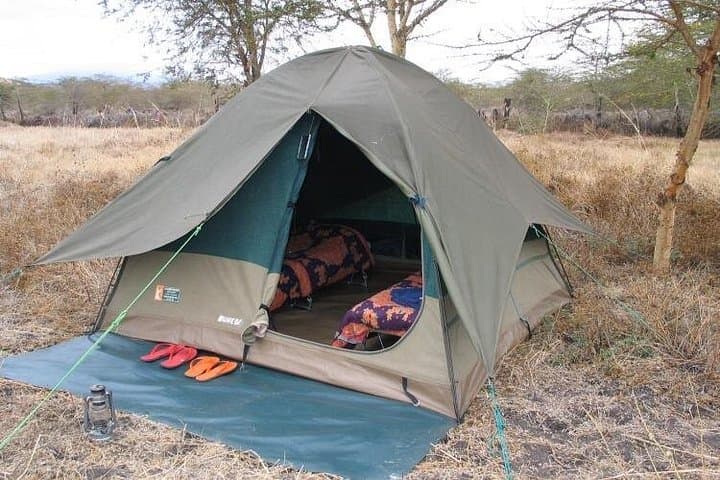
Camps are basic but functional: tented sleeping, communal meals and simple facilities; it's an authentic way to be close to the parks.
The Ngorongoro basin is an ancient volcanic caldera; the conservation area also supports Maasai pastoral communities who have grazed the rimlands for generations.
Ngorongoro is managed to balance wildlife protection with Maasai land use; visitors should stick to designated roads and campsites to reduce habitat disturbance.
Super Game Tanzania Tours and Safaris operates guided outdoor trips and adventures with an emphasis on safety, stewardship, and memorable experiences.
Dawn breaks over acacia-tufted plains as your jeep rumbles away from Arusha and into a changing landscape—water forests, baobab-studded cliffs and a shallow, algae-streaked lake that throws flamingos in pink arcs across the horizon.
Dawn breaks over acacia-tufted plains as your jeep rumbles away from Arusha and into a changing landscape—water forests, baobab-studded cliffs and a shallow, algae-streaked lake that throws flamingos in pink arcs across the horizon.
This two-day camping safari pairs Lake Manyara’s compressed diversity with the geological drama of the Ngorongoro Crater. Lake Manyara is small in size but big in habitats: hot springs, swamp margins and dense woodland attract massive baboon troops and tree-climbing lions. The following day you’ll descend roughly 600 meters into Ngorongoro’s volcanic bowl, where an enclosed plain fed by year-round water supports hippo, elephant, buffalo and a dense population of predators. Lake Magadi, the crater’s alkaline sink, often hosts flamingos and other water birds on its rim.
The region sits on old volcanic terrain carved by eruptions and erosion; Maasai pastoral culture has shaped the rimlands for generations and the Ngorongoro Conservation Area combines wildlife protection with traditional grazing rights.
Practical edge: camping here means early starts, long dirt-road transfers and variable temperatures—hot on the plains, cold by campsite after sunset. Expect basic campsites, tented sleeping and communal meals. Bring layered clothing, reliable boots, high-SPF sun protection and a refillable water bottle. Game viewing rewards patience—silhouettes of elephant herds and the sudden burst of a predator are common, but sightings can never be guaranteed. For first-time safari campers, prioritize hydration, early-morning drives and respecting park rules; the payoff is close-up wildlife in landscapes shaped by fire and time.