THE ADVENTURE COLLECTIVE® · Independent discovery and booking for outdoor travel

Two focused days of camping and game drives link Tarangire’s baobabs and elephants with Ngorongoro’s dramatic caldera floor. This compact safari delivers high-density wildlife viewing and a taste of northern Tanzania’s landscapes.
Two focused days of camping and game drives link Tarangire’s baobabs and elephants with Ngorongoro’s dramatic caldera floor. This compact safari delivers high-density wildlife viewing and a taste of northern Tanzania’s landscapes.
Dawn breaks over a stand of giant baobabs and the low light paints elephant silhouettes against the dry-season grass. On day one the jeep threads between riverine swamps and thorn scrub in Tarangire National Park, where herds move like a slow current and predators shadow their edges. By night the group camps at Kizumba, the sky a broad ceiling of stars and distant hyena calls punctuating the dark.
Verified experiences and guided adventures in the surrounding area.
Operated by Afromasai Eastern Safaris · Arusha, Arusha Region
Dawn breaks over a stand of giant baobabs and the low light paints elephant silhouettes against the dry-season grass. On day one the jeep threads between riverine swamps and thorn scrub in Tarangire National Park, where herds move like a slow current and predators shadow their edges. By night the group camps at Kizumba, the sky a broad ceiling of stars and distant hyena calls punctuating the dark.
This short circuit pairs two of northern Tanzania’s most immediate wildlife experiences. Tarangire is ecologically driven by seasonal flood plains and the Tarangire River; its sandtracks and baobab-dotted woodlands support large elephant aggregations. Ngorongoro is a collapsed volcanic caldera—descend roughly 600 meters into a self-contained basin whose year-round water sources sustain dense concentrations of plains game, predators and waterbirds at Lake Magadi.
Culturally the route crosses Maasai grazing lands; many camps and guides are locally owned, and a respectful greeting goes a long way. Geologically the crater’s rim offers abrupt elevation change and sweeping vistas; the crater floor feels close enough to touch yet is an ecological island.
Practical guidance: expect long game-drive days (early starts, late returns), basic communal camping at established sites, and park fees included in organized tours. Bring layered clothing for chilly mornings on the rim, sun protection for midday drives, plenty of water, and binoculars for distant sightings. Vehicles are 4x4s with pop-up roofs for viewing; follow guide instructions around wildlife and sleeping arrangements. This two-day loop is compact but efficient—ideal when time is limited and wildlife viewing is the goal.
moderate.
2 days.
Suitable for travelers in average fitness who can handle long, bumpy drives, short walks around camps, and basic camping conditions.
Most organized camping safaris include park fees and taxes—confirm during booking; this itinerary states all park fees are included.
Camping is at established sites with basic facilities; expect shared tent accommodation or simple platform tents and communal meals.
The tour lists wheelchair-accessible options but notes it is not recommended for those with serious cardiovascular issues; check with the operator for specific mobility needs.
High-density sightings are possible—Tarangire’s elephant herds and the crater’s concentrated game typically offer good viewing, but sightings depend on season and luck.
Ngorongoro is a volcanic caldera formed from an ancient volcano collapse; the Maasai have used the surrounding highlands for pastoralism for generations.
Both parks are managed with conservation fees and community programs—minimize impact by staying on tracks, not feeding wildlife, and using local guides.
Afromasai Eastern Safaris operates guided outdoor trips and adventures with an emphasis on safety, stewardship, and memorable experiences.

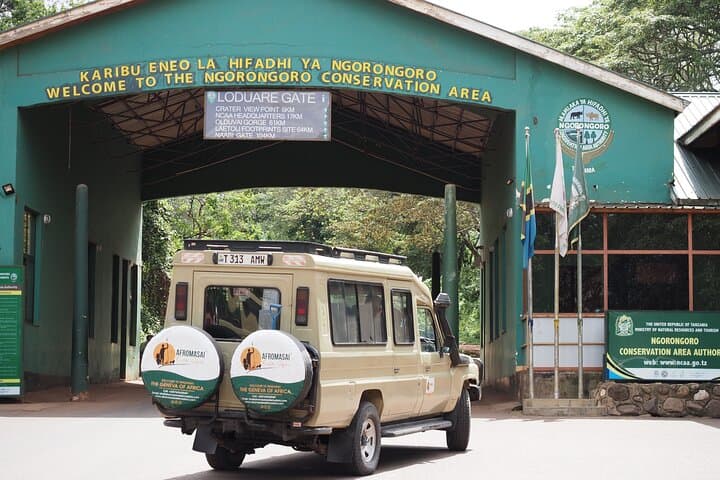
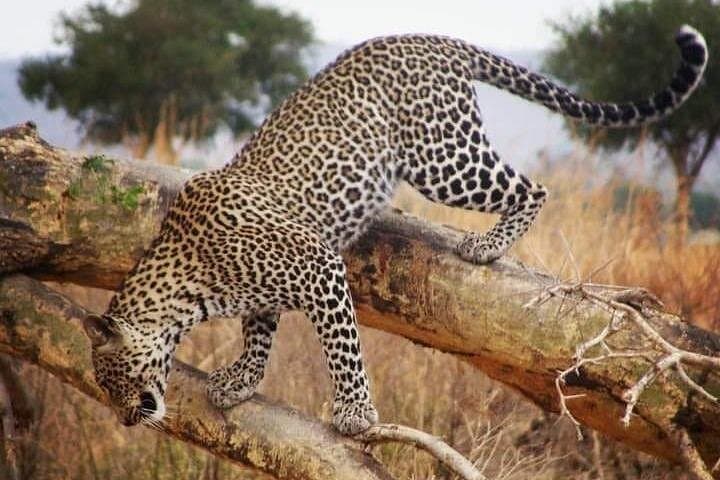
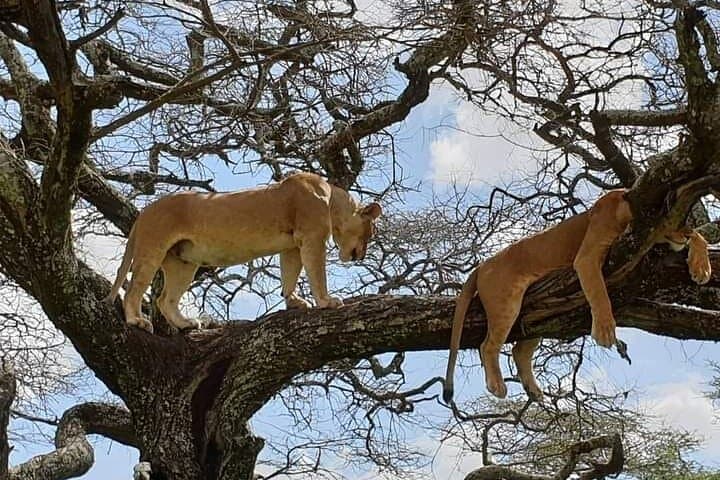
Dawn breaks over a stand of giant baobabs and the low light paints elephant silhouettes against the dry-season grass. On day one the jeep threads between riverine swamps and thorn scrub in Tarangire National Park, where herds move like a slow current and predators shadow their edges. By night the group camps at Kizumba, the sky a broad ceiling of stars and distant hyena calls punctuating the dark.
Dawn breaks over a stand of giant baobabs and the low light paints elephant silhouettes against the dry-season grass. On day one the jeep threads between riverine swamps and thorn scrub in Tarangire National Park, where herds move like a slow current and predators shadow their edges. By night the group camps at Kizumba, the sky a broad ceiling of stars and distant hyena calls punctuating the dark.
This short circuit pairs two of northern Tanzania’s most immediate wildlife experiences. Tarangire is ecologically driven by seasonal flood plains and the Tarangire River; its sandtracks and baobab-dotted woodlands support large elephant aggregations. Ngorongoro is a collapsed volcanic caldera—descend roughly 600 meters into a self-contained basin whose year-round water sources sustain dense concentrations of plains game, predators and waterbirds at Lake Magadi.
Culturally the route crosses Maasai grazing lands; many camps and guides are locally owned, and a respectful greeting goes a long way. Geologically the crater’s rim offers abrupt elevation change and sweeping vistas; the crater floor feels close enough to touch yet is an ecological island.
Practical guidance: expect long game-drive days (early starts, late returns), basic communal camping at established sites, and park fees included in organized tours. Bring layered clothing for chilly mornings on the rim, sun protection for midday drives, plenty of water, and binoculars for distant sightings. Vehicles are 4x4s with pop-up roofs for viewing; follow guide instructions around wildlife and sleeping arrangements. This two-day loop is compact but efficient—ideal when time is limited and wildlife viewing is the goal.