THE ADVENTURE COLLECTIVE® · Independent discovery and booking for outdoor travel

Fly from Hurghada to Cairo and Luxor on a compact two-day itinerary that packs the Egyptian Museum, Giza’s pyramids, the Valley of the Kings and Karnak into a fast, guided cultural sprint. Ideal for travelers short on time but keen to see Egypt’s headline sites.
Fly from Hurghada to Cairo and Luxor on a compact two-day itinerary that packs the Egyptian Museum, Giza’s pyramids, the Valley of the Kings and Karnak into a fast, guided cultural sprint. Ideal for travelers short on time but keen to see Egypt’s headline sites.
The air tastes of dust and diesel as you leave Hurghada at dawn; within an hour you’re above the desert and a compact city of stone and ruins spreads beneath the plane. Day one drops you into Cairo’s organized chaos: the Egyptian Museum’s galleries hum with gold and funerary craft, then the plateau at Giza opens like a stage—three pyramids shoulder the horizon while the Sphinx keeps its eternal watch.
Verified experiences and guided adventures in the surrounding area.
Operated by Book Tour Egypt · Hurghada, Red Sea Governorate
The air tastes of dust and diesel as you leave Hurghada at dawn; within an hour you’re above the desert and a compact city of stone and ruins spreads beneath the plane. Day one drops you into Cairo’s organized chaos: the Egyptian Museum’s galleries hum with gold and funerary craft, then the plateau at Giza opens like a stage—three pyramids shoulder the horizon while the Sphinx keeps its eternal watch.
Egypt’s Nile corridor is a geological and cultural seam where sedimentary limestone beds preserve millennia of human labor. Cairo grew from Pharaonic, Greek and Islamic layers; Luxor was once Thebes, the religious and funerary capital whose temples were carved, raised and reworked across dynasties. Expect colonnades that bear inscriptions, mortuary temples with ramped causeways, and tombs in the Valley of the Kings cut into the West Bank’s soft rocks.
Practical reality balances the wonder: the tour uses domestic flights and air-conditioned transfers, with German-speaking guides and two lunches included. Bring sun protection and comfortable shoes—many temple areas are stone and uneven; some tombs are cramped and stepped. Tickets for museum and some tombs may be optional add-ons, so check your confirmation and budget for admissions.
Timing matters—visit outdoor sites early or late to avoid peak heat and crowds. Respect site rules, don’t touch reliefs, and carry small change for tips and water refills. Two full days compress a huge slice of ancient Egypt into a brisk, manageable itinerary: intense, rewarding and practical for travelers short on time.
moderate.
2 days (approx. 48 hours).
Suitable for travelers who can stand and walk for several hours in warm conditions; expect stairs and uneven footing.
Yes — the itinerary includes domestic flights between Hurghada, Cairo and Luxor as stated in the tour description.
Some entrance fees are included only if the chosen option covers them; verify your booking and be prepared to purchase certain tickets on site.
The tour lists wheelchair-accessible transportation and accommodations, but some archaeological sites have uneven ground and stairs—advise the operator of accessibility needs in advance.
Carry small-denomination Egyptian pounds for tips and small purchases; tipping guides and drivers is customary and expected.
Cairo and Luxor occupy the Nile Valley’s ancient spine: Thebes (modern Luxor) was a major New Kingdom capital, while Giza’s pyramids date to the Old Kingdom royal necropolis.
High visitor numbers stress fragile stonework and pigments—follow site rules, avoid touching reliefs, and support conservation through legitimate guides and entry fees.
Book Tour Egypt operates guided outdoor trips and adventures with an emphasis on safety, stewardship, and memorable experiences.
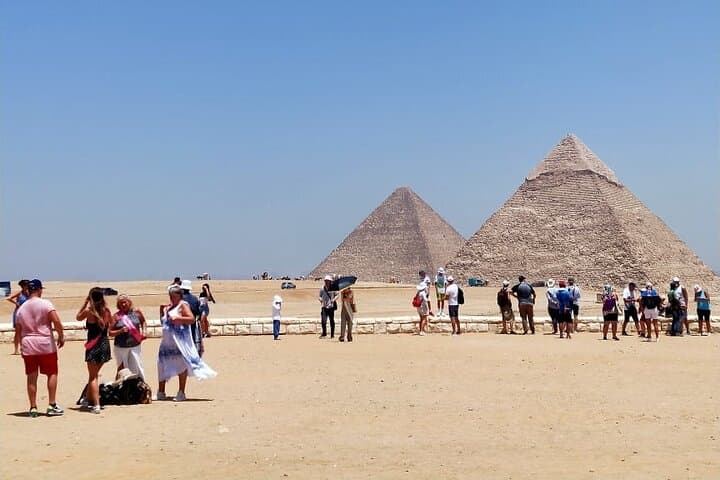
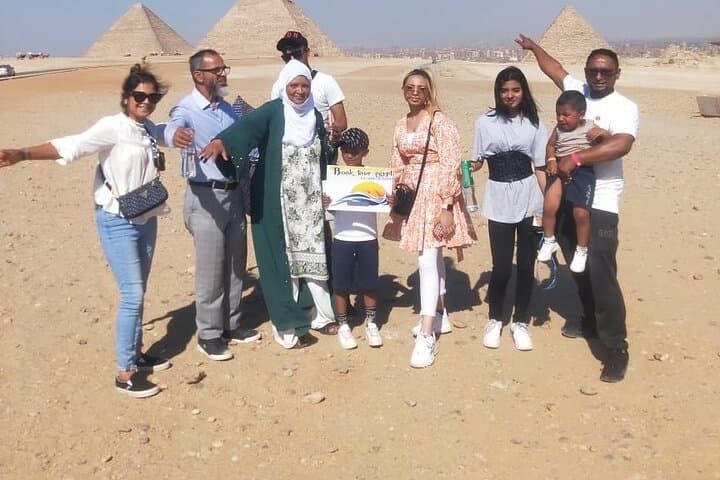
The air tastes of dust and diesel as you leave Hurghada at dawn; within an hour you’re above the desert and a compact city of stone and ruins spreads beneath the plane. Day one drops you into Cairo’s organized chaos: the Egyptian Museum’s galleries hum with gold and funerary craft, then the plateau at Giza opens like a stage—three pyramids shoulder the horizon while the Sphinx keeps its eternal watch.
The air tastes of dust and diesel as you leave Hurghada at dawn; within an hour you’re above the desert and a compact city of stone and ruins spreads beneath the plane. Day one drops you into Cairo’s organized chaos: the Egyptian Museum’s galleries hum with gold and funerary craft, then the plateau at Giza opens like a stage—three pyramids shoulder the horizon while the Sphinx keeps its eternal watch.
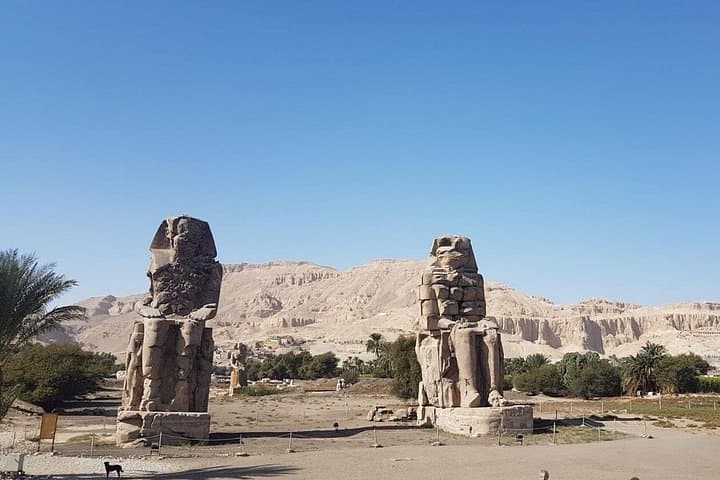
Egypt’s Nile corridor is a geological and cultural seam where sedimentary limestone beds preserve millennia of human labor. Cairo grew from Pharaonic, Greek and Islamic layers; Luxor was once Thebes, the religious and funerary capital whose temples were carved, raised and reworked across dynasties. Expect colonnades that bear inscriptions, mortuary temples with ramped causeways, and tombs in the Valley of the Kings cut into the West Bank’s soft rocks.
Practical reality balances the wonder: the tour uses domestic flights and air-conditioned transfers, with German-speaking guides and two lunches included. Bring sun protection and comfortable shoes—many temple areas are stone and uneven; some tombs are cramped and stepped. Tickets for museum and some tombs may be optional add-ons, so check your confirmation and budget for admissions.
Timing matters—visit outdoor sites early or late to avoid peak heat and crowds. Respect site rules, don’t touch reliefs, and carry small change for tips and water refills. Two full days compress a huge slice of ancient Egypt into a brisk, manageable itinerary: intense, rewarding and practical for travelers short on time.