THE ADVENTURE COLLECTIVE® · Independent discovery and booking for outdoor travel

Fly from Hurghada to Cairo for an efficient two-day sweep of Egypt’s most iconic sites: the Giza Pyramids, the Sphinx, the Egyptian Museum and the Citadel. Expect long days, stone underfoot, and concentrated history-packed sightseeing.
Fly from Hurghada to Cairo for an efficient two-day sweep of Egypt’s most iconic sites: the Giza Pyramids, the Sphinx, the Egyptian Museum and the Citadel. Expect long days, stone underfoot, and concentrated history-packed sightseeing.
You step off the short domestic flight and the city hits you: dust-sliced light across limestone, taxis threading lanes like restless ants, and the Pyramids rimmed against a sky the color of old brass. On day one the Plateau at Giza dominates—the three great pyramids rise with the blunt authority of structures that have outlived empires, and the Sphinx watches the visitor crowd with a fixed, implacable gaze.
Verified experiences and guided adventures in the surrounding area.
Operated by This Is Egypt Aswan · Cairo, Cairo Governorate
You step off the short domestic flight and the city hits you: dust-sliced light across limestone, taxis threading lanes like restless ants, and the Pyramids rimmed against a sky the color of old brass. On day one the Plateau at Giza dominates—the three great pyramids rise with the blunt authority of structures that have outlived empires, and the Sphinx watches the visitor crowd with a fixed, implacable gaze.
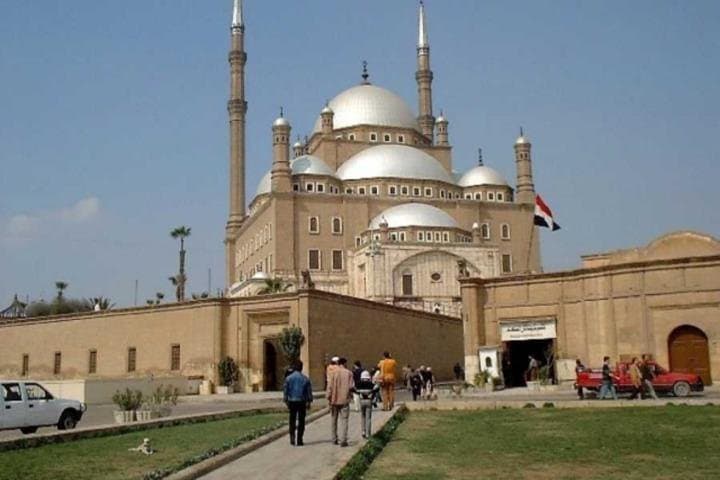
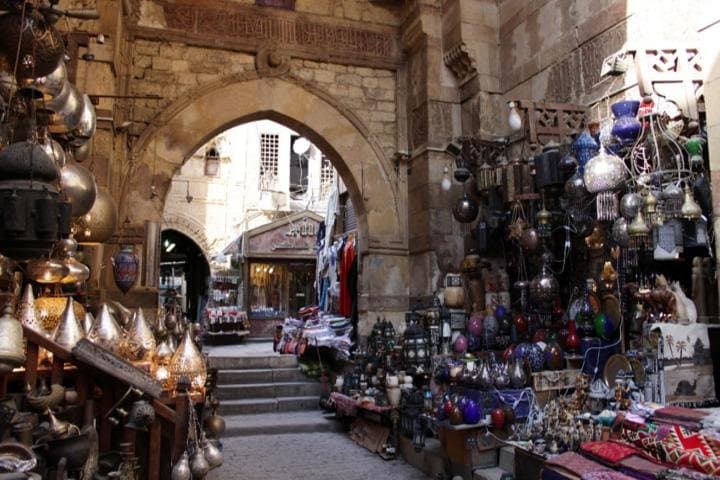
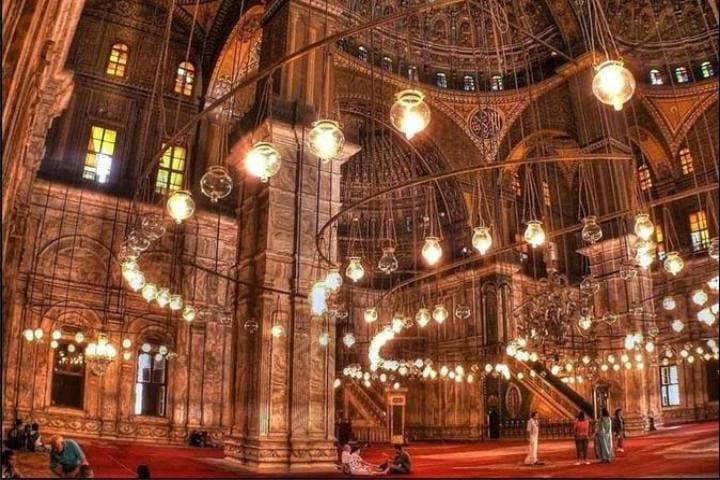
Cairo is layered history. Beneath the Pharaonic stones of Giza lies the stepped precision of Djoser’s complex; downtown displays colonial-era façades; and the Citadel and Mohamed Ali Mosque recall Ottoman-era modernization. Geologically the plateau is Eocene limestone—tough enough to hold massive chambers yet porous enough that centuries of wind and sand have polished its faces. Culturally, Cairo’s markets like Khan el-Khalili keep the city's trading rhythms alive: artisans, spices, and the cadence of bargaining.
Practical guidance: the tour packs two long days—expect lots of walking on uneven stone, short vehicle transfers, and museum halls. Carry a passport (for the internal flight and museum entry), sun protection, and cash for small purchases and tip culture. Plan your photography early in the morning or late afternoon for softer light and fewer crowds. Hydrate aggressively; Cairo’s urban heat can be sudden.
This itinerary suits travelers who want concentrated access to Egypt’s headline sights with one overnight in a Cairo hotel, and who appreciate a paced mix of outdoor ruin exploration and museum time.
moderate.
2 days (approx. 48 hours).
Suitable for most fitness levels but requires walking on uneven ground, stairs and standing in museums.
Yes — the itinerary includes round-trip internal flights between Hurghada and Cairo as stated in the inclusions.
Yes — entrance fees to the Giza Plateau sites, Egyptian Museum, Step Pyramid and other listed attractions are included.
Yes — the tour provides time to explore the bazaar, shop, and sample local food; plan for bargaining and carry small bills.
The tour is marked suitable for all fitness levels, but note that pyramid exteriors and museum halls involve walking and some stairs; contact the operator about accessible pickup or additional assistance.
Cairo grew around the Fatimid foundation of al-Qahira (969 CE) but centers such as Giza predate the city; the Citadel and Mohamed Ali Mosque reflect 19th-century Ottoman-Egyptian history and modernization.
The archaeological sites face erosion from tourism and urban pollution; follow designated paths, avoid touching exposed stones, and support licensed guides and local conservation fees when offered.
This Is Egypt Aswan operates guided outdoor trips and adventures with an emphasis on safety, stewardship, and memorable experiences.
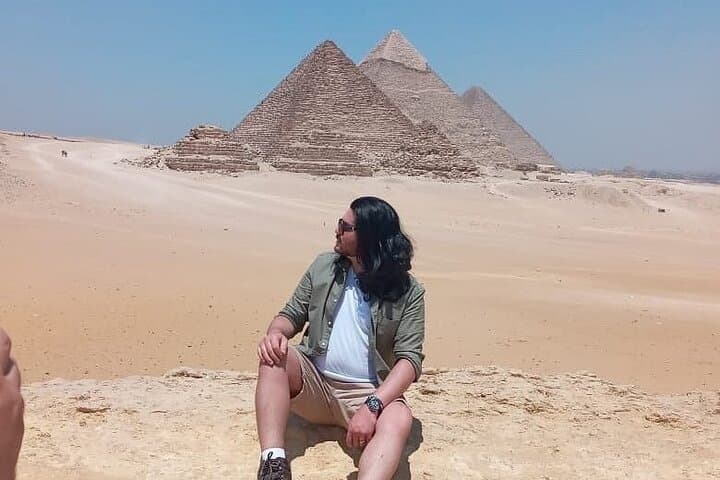
You step off the short domestic flight and the city hits you: dust-sliced light across limestone, taxis threading lanes like restless ants, and the Pyramids rimmed against a sky the color of old brass. On day one the Plateau at Giza dominates—the three great pyramids rise with the blunt authority of structures that have outlived empires, and the Sphinx watches the visitor crowd with a fixed, implacable gaze.
You step off the short domestic flight and the city hits you: dust-sliced light across limestone, taxis threading lanes like restless ants, and the Pyramids rimmed against a sky the color of old brass. On day one the Plateau at Giza dominates—the three great pyramids rise with the blunt authority of structures that have outlived empires, and the Sphinx watches the visitor crowd with a fixed, implacable gaze.
Cairo is layered history. Beneath the Pharaonic stones of Giza lies the stepped precision of Djoser’s complex; downtown displays colonial-era façades; and the Citadel and Mohamed Ali Mosque recall Ottoman-era modernization. Geologically the plateau is Eocene limestone—tough enough to hold massive chambers yet porous enough that centuries of wind and sand have polished its faces. Culturally, Cairo’s markets like Khan el-Khalili keep the city's trading rhythms alive: artisans, spices, and the cadence of bargaining.
Practical guidance: the tour packs two long days—expect lots of walking on uneven stone, short vehicle transfers, and museum halls. Carry a passport (for the internal flight and museum entry), sun protection, and cash for small purchases and tip culture. Plan your photography early in the morning or late afternoon for softer light and fewer crowds. Hydrate aggressively; Cairo’s urban heat can be sudden.
This itinerary suits travelers who want concentrated access to Egypt’s headline sights with one overnight in a Cairo hotel, and who appreciate a paced mix of outdoor ruin exploration and museum time.