THE ADVENTURE COLLECTIVE® · Independent discovery and booking for outdoor travel

Two full days take you from Dahshur’s ancient pyramids to Saqqara’s Step Pyramid and the Giza Plateau, then into Cairo’s Egyptian Museum and Citadel. Expect guided archaeology, desert walking, and practical tips for heat, crowds, and local culture.
Two full days take you from Dahshur’s ancient pyramids to Saqqara’s Step Pyramid and the Giza Plateau, then into Cairo’s Egyptian Museum and Citadel. Expect guided archaeology, desert walking, and practical tips for heat, crowds, and local culture.
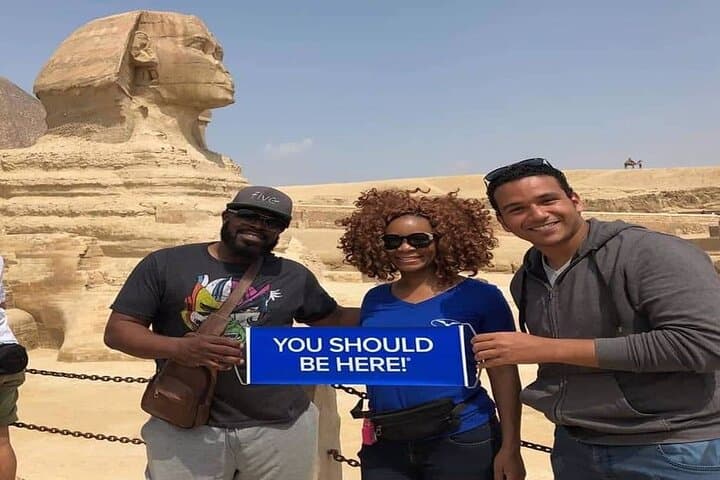
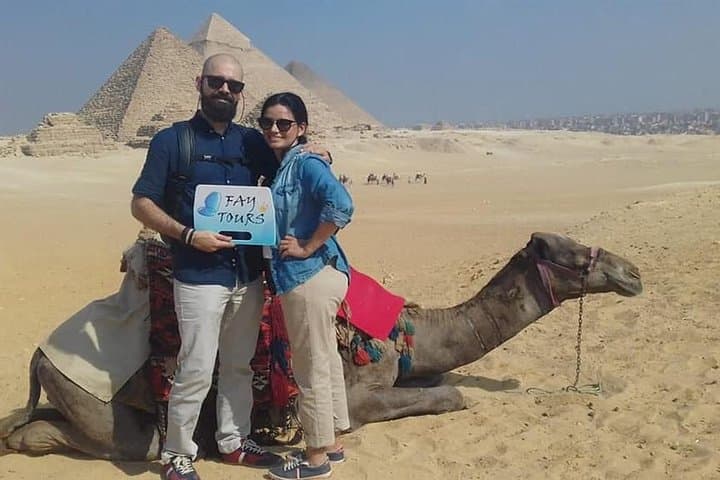
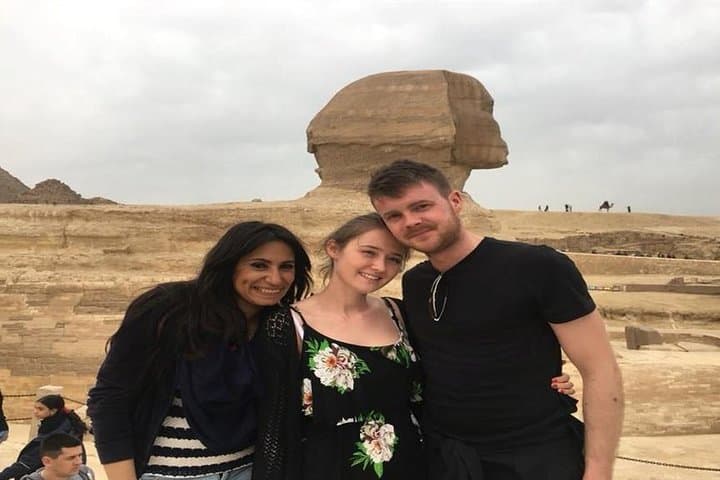
You step from the shaded car into a wide, sun-baked plain where stone angles cut the sky — the Giza plateau’s pyramids loom like deliberate questions written in limestone. A private Egyptologist meets you and the day unfolds in measured chapters: Dahshur’s older red and bent pyramids, the layered terraces of Saqqara, and then the solemn geometry of Giza with the Great Pyramid and the Sphinx framed against the city.
Verified experiences and guided adventures in the surrounding area.
Operated by Fay Tours · Giza, Giza Governorate
You step from the shaded car into a wide, sun-baked plain where stone angles cut the sky — the Giza plateau’s pyramids loom like deliberate questions written in limestone. A private Egyptologist meets you and the day unfolds in measured chapters: Dahshur’s older red and bent pyramids, the layered terraces of Saqqara, and then the solemn geometry of Giza with the Great Pyramid and the Sphinx framed against the city.
These monuments date to Egypt’s Old Kingdom: Saqqara’s Step Pyramid (c. 27th century BC) is the earliest large stone construction, while the Fourth Dynasty builders at Giza engineered the Great Pyramid for Khufu. Geology here is simple and strict — Nubian limestone and bedrock quarried close by, the desert wind polishing edges over millennia.
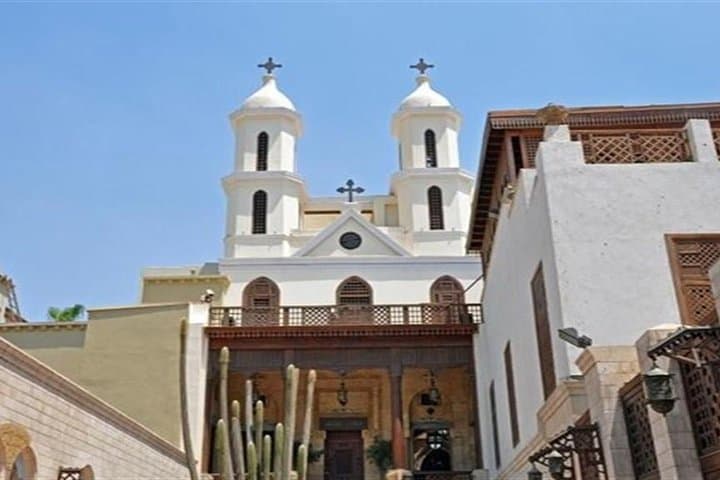
Cairo’s later layers — the Egyptian Museum’s trove of pharaonic artifacts, the Citadel’s Ottoman mosques and the Cave Church — connect the funerary landscapes to an urban culture that has grown along the Nile for millennia. Expect crowded bazaars, vocal street life and small rooftop cafés where you can steady your view of the Sphinx.
Practical guidance: plan pyramid visits early to avoid heat and crowds; bring a reusable water bottle and high-SPF sunscreen; sturdy, closed walking shoes for uneven stone and desert grit; keep photocopies of your passport and museum hours handy. Camel rides and interior pyramid entry vary by permit; verify inclusions and accessibility in advance. The tour’s pace is brisk but accessible — it balances outdoor walking across archaeological terrain with seated museum time, all within two full days.
easy.
2 days.
Suitable for most fitness levels; includes multiple short walks and some uneven terrain so basic mobility is required
Interior pyramid entry often requires a separate ticket and limited-access permit; confirm with the tour operator before booking.
Some public areas and transport are wheelchair accessible, but interior pyramid chambers and steep archaeological slopes are not fully accessible.
Tipping is customary for guides, drivers and service staff; carry small bills in Egyptian pounds and tip according to service quality.
Most visitors require a visa for Egypt — check your nationality’s requirements and carry a passport copy; the operator typically requires passport details at booking.
The Giza complex dates to the Fourth Dynasty (c. 2580–2510 BC); Saqqara’s Step Pyramid by Djoser predates it and marks early monumental stone construction in Egypt.
Visitor foot traffic stresses fragile masonry and painted surfaces; follow posted routes, avoid touching reliefs and support site conservation through official guides and entrance fees.
Fay Tours operates guided outdoor trips and adventures with an emphasis on safety, stewardship, and memorable experiences.
You step from the shaded car into a wide, sun-baked plain where stone angles cut the sky — the Giza plateau’s pyramids loom like deliberate questions written in limestone. A private Egyptologist meets you and the day unfolds in measured chapters: Dahshur’s older red and bent pyramids, the layered terraces of Saqqara, and then the solemn geometry of Giza with the Great Pyramid and the Sphinx framed against the city.
You step from the shaded car into a wide, sun-baked plain where stone angles cut the sky — the Giza plateau’s pyramids loom like deliberate questions written in limestone. A private Egyptologist meets you and the day unfolds in measured chapters: Dahshur’s older red and bent pyramids, the layered terraces of Saqqara, and then the solemn geometry of Giza with the Great Pyramid and the Sphinx framed against the city.
These monuments date to Egypt’s Old Kingdom: Saqqara’s Step Pyramid (c. 27th century BC) is the earliest large stone construction, while the Fourth Dynasty builders at Giza engineered the Great Pyramid for Khufu. Geology here is simple and strict — Nubian limestone and bedrock quarried close by, the desert wind polishing edges over millennia.
Cairo’s later layers — the Egyptian Museum’s trove of pharaonic artifacts, the Citadel’s Ottoman mosques and the Cave Church — connect the funerary landscapes to an urban culture that has grown along the Nile for millennia. Expect crowded bazaars, vocal street life and small rooftop cafés where you can steady your view of the Sphinx.
Practical guidance: plan pyramid visits early to avoid heat and crowds; bring a reusable water bottle and high-SPF sunscreen; sturdy, closed walking shoes for uneven stone and desert grit; keep photocopies of your passport and museum hours handy. Camel rides and interior pyramid entry vary by permit; verify inclusions and accessibility in advance. The tour’s pace is brisk but accessible — it balances outdoor walking across archaeological terrain with seated museum time, all within two full days.