THE ADVENTURE COLLECTIVE® · Independent discovery and booking for outdoor travel

Two days moves you from Cairo’s towering mosques and Coptic alleys to Fayoum’s lakes, dunes and fossil fields. This guided tour pairs architectural history with desert geology and wildlife — ideal for travelers who want concentrated history plus outdoors exploration.
Two days moves you from Cairo’s towering mosques and Coptic alleys to Fayoum’s lakes, dunes and fossil fields. This guided tour pairs architectural history with desert geology and wildlife — ideal for travelers who want concentrated history plus outdoors exploration.
You step out of a cool, air-conditioned vehicle into the wide stone courtyard beyond the Citadel; calls to prayer and the murmur of tour groups thread through the morning light. On day one the city’s architecture does the talking — soaring Mamluk portals, the alabaster sweep of Muhammad Ali’s mosque, and the carved portals of Sultan Hassan that still feel like thresholds into a long, contested history.
Verified experiences and guided adventures in the surrounding area.
Operated by Emo Tours Swiss · Cairo, Cairo Governorate
You step out of a cool, air-conditioned vehicle into the wide stone courtyard beyond the Citadel; calls to prayer and the murmur of tour groups thread through the morning light. On day one the city’s architecture does the talking — soaring Mamluk portals, the alabaster sweep of Muhammad Ali’s mosque, and the carved portals of Sultan Hassan that still feel like thresholds into a long, contested history.
Cairo’s Islamic and Coptic quarters grew over centuries where the Nile’s rhythms met trade routes — mosques, madrasas and churches record shifts of power and faith. Two days later the landscape changes: Wadi El Rayan’s man-made lakes and sand dunes give way to the fossil fields of Wadi al-Hitan, a UNESCO site where prehistoric whale skeletons lie exposed in desert rock and the earth seems to reveal evolutionary chapters.
Expect a mix of short urban walks and longer drives (Wadi al-Hitan is roughly 150 km southwest of Cairo; plan about 2.5–3 hours each way). The route combines paved streets and archaeological sites with loose sand, gentle dunes and waterside paths. Dress modestly for religious sites, bring sun protection and walkable shoes for uneven surfaces. Hydrate; Egyptian sun can be intense by midday. Respect protected areas: fossils and artifacts are strictly protected — do not touch or remove them.
Practically, the tour runs over two full days with hotel pickup in Cairo or Giza, translations and entry fees per itinerary; it suits travelers comfortable with several hours of walking and sustained vehicle transfers.
easy.
2 days (approx. 8–10 hours sightseeing per day).
Suitable for most travelers who can handle several hours of walking and vehicle transfers; not strenuous but involves uneven surfaces.
The itinerary indicates admissions for many sites are included; confirm specifics at booking and carry cash for optional extras or donations.
Wadi al-Hitan is about 150 km southwest of Cairo, typically a 2.5–3 hour drive depending on traffic and stops.
The provider lists it as suitable for most physical fitness levels, but not recommended for guests with serious spinal, heart conditions, or late-stage pregnancy due to walking and vehicle time.
Photography is allowed at most outdoor sites; some museums or interior spaces may restrict flash or tripod use—follow guide instructions and posted signs.
Cairo layers Islamic, Coptic and medieval histories; Wadi al-Hitan is a UNESCO paleontological site documenting early whale evolution.
Wadi El Rayan and Wadi al-Hitan are protected reserves—follow guides and park rules, avoid disturbing fossils, and pack out waste to limit impact.
Emo Tours Swiss operates guided outdoor trips and adventures with an emphasis on safety, stewardship, and memorable experiences.
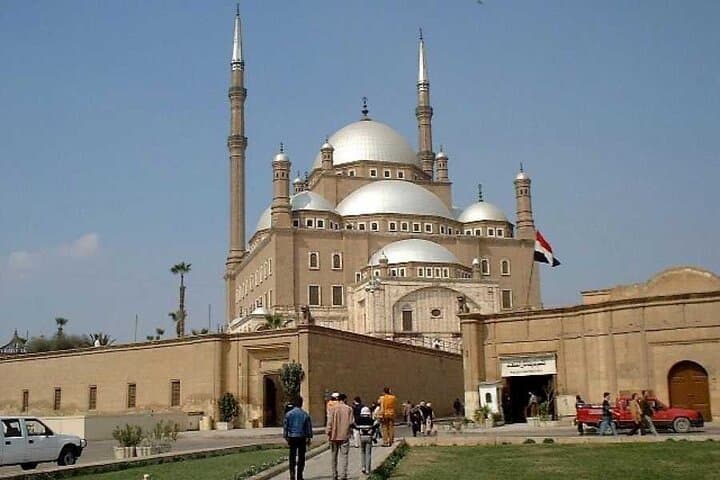
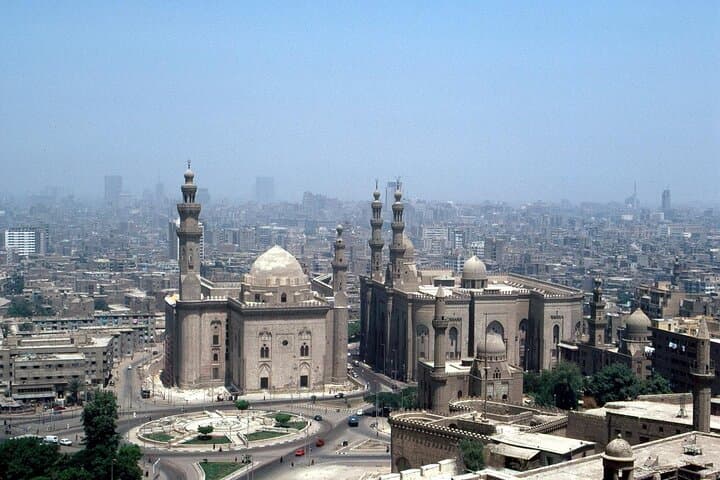
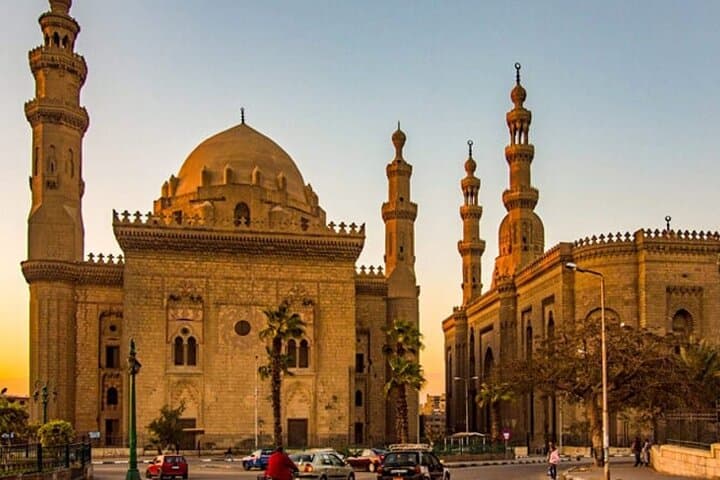
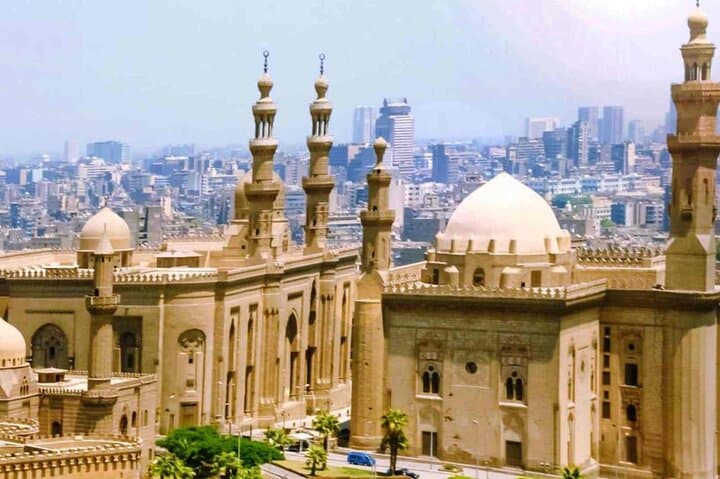
You step out of a cool, air-conditioned vehicle into the wide stone courtyard beyond the Citadel; calls to prayer and the murmur of tour groups thread through the morning light. On day one the city’s architecture does the talking — soaring Mamluk portals, the alabaster sweep of Muhammad Ali’s mosque, and the carved portals of Sultan Hassan that still feel like thresholds into a long, contested history.
You step out of a cool, air-conditioned vehicle into the wide stone courtyard beyond the Citadel; calls to prayer and the murmur of tour groups thread through the morning light. On day one the city’s architecture does the talking — soaring Mamluk portals, the alabaster sweep of Muhammad Ali’s mosque, and the carved portals of Sultan Hassan that still feel like thresholds into a long, contested history.
Cairo’s Islamic and Coptic quarters grew over centuries where the Nile’s rhythms met trade routes — mosques, madrasas and churches record shifts of power and faith. Two days later the landscape changes: Wadi El Rayan’s man-made lakes and sand dunes give way to the fossil fields of Wadi al-Hitan, a UNESCO site where prehistoric whale skeletons lie exposed in desert rock and the earth seems to reveal evolutionary chapters.
Expect a mix of short urban walks and longer drives (Wadi al-Hitan is roughly 150 km southwest of Cairo; plan about 2.5–3 hours each way). The route combines paved streets and archaeological sites with loose sand, gentle dunes and waterside paths. Dress modestly for religious sites, bring sun protection and walkable shoes for uneven surfaces. Hydrate; Egyptian sun can be intense by midday. Respect protected areas: fossils and artifacts are strictly protected — do not touch or remove them.
Practically, the tour runs over two full days with hotel pickup in Cairo or Giza, translations and entry fees per itinerary; it suits travelers comfortable with several hours of walking and sustained vehicle transfers.