THE ADVENTURE COLLECTIVE® · Independent discovery and booking for outdoor travel

Fly from Hurghada to Cairo and Luxor over two packed days that place the Giza Pyramids, the Egyptian Museum, Karnak and three royal tombs of the Valley of the Kings within reach. This private transfer tour prioritizes time efficiency so you can focus on monuments rather than logistics.
Fly from Hurghada to Cairo and Luxor over two packed days that place the Giza Pyramids, the Egyptian Museum, Karnak and three royal tombs of the Valley of the Kings within reach. This private transfer tour prioritizes time efficiency so you can focus on monuments rather than logistics.
You step from a sun-warmed hotel lobby in Hurghada into the rush of airport light and, within hours, find yourself beneath the shadow of millennia: the Great Pyramid fills the skyline like an old ruler returning.
Verified experiences and guided adventures in the surrounding area.
Operated by Love Egypt Tours · Hurghada, Red Sea Governorate
You step from a sun-warmed hotel lobby in Hurghada into the rush of airport light and, within hours, find yourself beneath the shadow of millennia: the Great Pyramid fills the skyline like an old ruler returning.
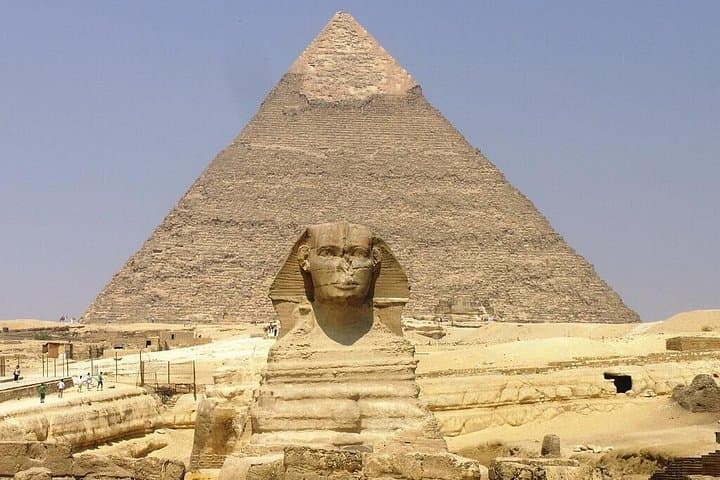
Day one threads through Cairo’s dense historic center — the Egyptian Museum’s vitrines hold Tutankhamun’s gold with a quiet, uncompromising presence — before the Giza Plateau offers geometric certainty: three pyramids and the Sphinx facing the horizon.
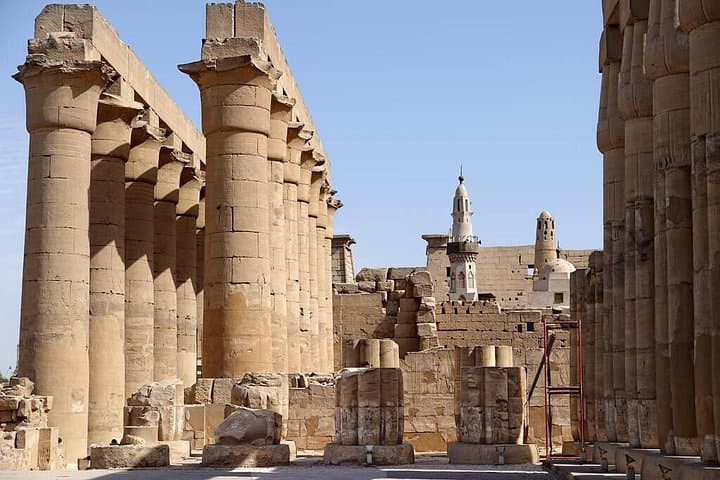
Geology and history meet where the Nile carved a lifeline through limestone and desert. Luxor sits on the river’s fertile west bank; its temples and tombs were hewn from sandstone and decorated to guide kings through the afterlife. Karnak’s avenue of columns pushes the eye upward, while the Valley of the Kings cuts into rugged hills whose color seems to change with the light.
Local culture remains tactile — street sellers, call to prayer, and Nile-side cafés that slow the day. Conservation is visible: restricted access in tombs, managed visitor routes, and signs asking for no flash photography to protect fragile pigments.
Practical guidance: flights between Hurghada, Cairo and Luxor save time but expect early starts and airport transfers. Comfortable walking shoes, sun protection, and a small daypack make temple tours manageable; stairs in tombs are steep and spaces can be narrow. Carry photocopies of travel documents and local currency for tips and small purchases. Plan for two full days, factor in airport wait times, and leave space in your schedule — the sites reward patient observation.
easy.
2 days.
Suitable for most fitness levels but expect several hours of walking, stair descents in tombs, and standing at exhibits.
The tour includes domestic flight tickets (Hurghada–Cairo, Cairo–Luxor) and transfers; some attraction admissions may be excluded—confirm specifics with the operator.
Yes — the itinerary is classified as easy and private transfers reduce strain, but expect walking, stairs, and airport procedures; check mobility needs in advance.
Plan for several kilometers of walking across museum halls and temple complexes plus stairs inside tombs; pacing varies but most visitors find it manageable with breaks.
Many transfer vehicles and some sites offer accessibility options, but ancient sites have uneven terrain and limited ramps — discuss specific needs with the operator before booking.
Cairo’s museum collections and the Giza Plateau reflect Egypt’s Old and New Kingdom achievements, while Luxor’s Karnak and the Valley of the Kings were central to Thebes, the religious capital of ancient Egypt.
Visitor numbers and flash photography are controlled at sensitive tombs to protect pigments and structural integrity; stick to marked paths and follow local guidance to reduce impact.
Love Egypt Tours operates guided outdoor trips and adventures with an emphasis on safety, stewardship, and memorable experiences.

You step from a sun-warmed hotel lobby in Hurghada into the rush of airport light and, within hours, find yourself beneath the shadow of millennia: the Great Pyramid fills the skyline like an old ruler returning.
You step from a sun-warmed hotel lobby in Hurghada into the rush of airport light and, within hours, find yourself beneath the shadow of millennia: the Great Pyramid fills the skyline like an old ruler returning.
Day one threads through Cairo’s dense historic center — the Egyptian Museum’s vitrines hold Tutankhamun’s gold with a quiet, uncompromising presence — before the Giza Plateau offers geometric certainty: three pyramids and the Sphinx facing the horizon.
Geology and history meet where the Nile carved a lifeline through limestone and desert. Luxor sits on the river’s fertile west bank; its temples and tombs were hewn from sandstone and decorated to guide kings through the afterlife. Karnak’s avenue of columns pushes the eye upward, while the Valley of the Kings cuts into rugged hills whose color seems to change with the light.
Local culture remains tactile — street sellers, call to prayer, and Nile-side cafés that slow the day. Conservation is visible: restricted access in tombs, managed visitor routes, and signs asking for no flash photography to protect fragile pigments.
Practical guidance: flights between Hurghada, Cairo and Luxor save time but expect early starts and airport transfers. Comfortable walking shoes, sun protection, and a small daypack make temple tours manageable; stairs in tombs are steep and spaces can be narrow. Carry photocopies of travel documents and local currency for tips and small purchases. Plan for two full days, factor in airport wait times, and leave space in your schedule — the sites reward patient observation.