THE ADVENTURE COLLECTIVE® · Independent discovery and booking for outdoor travel

Fly from Luxor for a rapid two-day immersion in Egypt’s layered past — Giza’s pyramids and Cairo’s museum one day, Alexandria’s coastal antiquities the next. Practical tips on timing, mobility and what’s included help you make the most of tight logistics.
Fly from Luxor for a rapid two-day immersion in Egypt’s layered past — Giza’s pyramids and Cairo’s museum one day, Alexandria’s coastal antiquities the next. Practical tips on timing, mobility and what’s included help you make the most of tight logistics.
Before sunrise you’re moving through Luxor’s quiet streets toward the airport, the Nile’s reflection still holding the night. Within hours the landscape flips from the fertile valley to the vast granite and limestone plateau outside Cairo — the Pyramids rise like engineered mountains, and the Sphinx watches the approach.
Verified experiences and guided adventures in the surrounding area.
Operated by This is Egypt Tours · Luxor, Luxor Governorate
Before sunrise you’re moving through Luxor’s quiet streets toward the airport, the Nile’s reflection still holding the night. Within hours the landscape flips from the fertile valley to the vast granite and limestone plateau outside Cairo — the Pyramids rise like engineered mountains, and the Sphinx watches the approach.
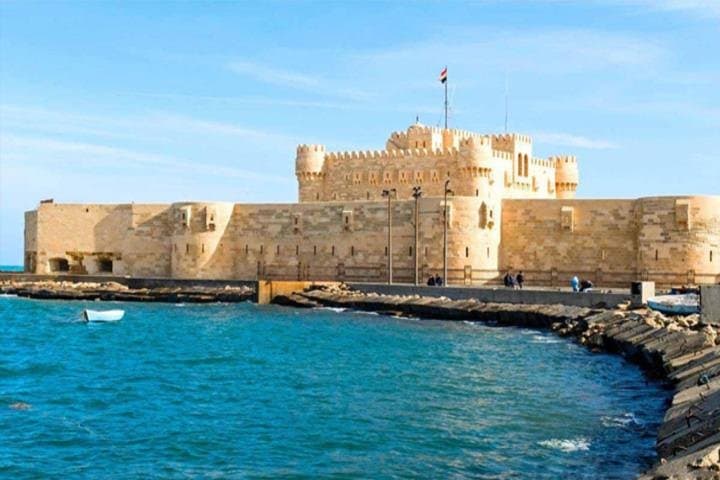
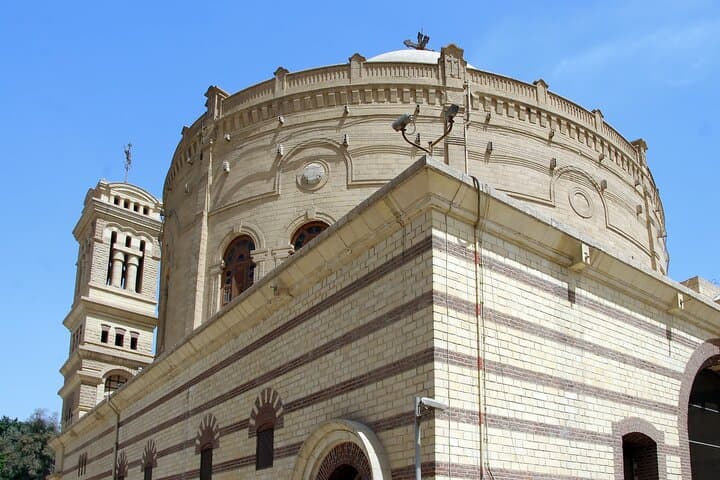
This two-day itinerary stitches together Egypt’s deep layers: Old Kingdom stonework at Giza, Pharaonic treasures in the Egyptian Museum, Coptic pockets of faith in Old Cairo, and then the Hellenistic and Roman echoes of Alexandria — Pompey’s Pillar, Kom El Shoqafa’s catacombs and the coastal citadel that marks the ancient lighthouse site.
Geology matters here: the Giza plateau is compacted limestone, easy to erode into cliffs and caves that ancient builders exploited; Alexandria’s shore is shaped by Mediterranean currents that have repeatedly altered its coastline over millennia. Culture appears in small details — street-side kushari, the bargaining cadence at Khan el-Khalili, and Egyptologists translating layered histories.
Practical guidance: expect long walking periods on uneven stone and city pavements; comfortable, broken-in shoes and sun protection are essential. The trip is private and includes transfers, lunches and entrance fees, but pyramid interior entry is extra. Carry passport copies, a refillable water bottle, and modest clothing for religious sites. Early starts minimize traffic and midday heat. If mobility is a concern, the operator lists wheelchair-accessible transport and sites, but confirm specifics on booking. Two full days deliver a concentrated, fast-moving taste of Egypt’s past — abrupt, tactile and worth preparing for with practical gear and realistic timing.
easy.
2 days.
Suitable for travelers in average fitness — involves multiple short walks and periods of standing.
No — the standard entrance included is to the pyramids area; entry inside a pyramid requires a separate ticket purchased on site.
Yes — the itinerary provides flights and private transfers between Luxor and Cairo as part of the package.
The operator lists wheelchair-accessible transport and sites, but confirm detailed requirements (ramps, close parking) at booking so they can prepare appropriate assistance.
Tours are led by an Egyptologist guide; confirm your preferred language when booking to ensure availability.
The route links Old Kingdom engineering at Giza, Pharaonic collections at the Egyptian Museum and Alexandria’s Hellenistic-Roman legacy built atop earlier Nile-linked trade hubs.
High visitor numbers stress fragile sites; stick to marked paths, avoid touching artifacts and support licensed guides and local businesses to keep revenue in the community.
This is Egypt Tours operates guided outdoor trips and adventures with an emphasis on safety, stewardship, and memorable experiences.


Before sunrise you’re moving through Luxor’s quiet streets toward the airport, the Nile’s reflection still holding the night. Within hours the landscape flips from the fertile valley to the vast granite and limestone plateau outside Cairo — the Pyramids rise like engineered mountains, and the Sphinx watches the approach.
Before sunrise you’re moving through Luxor’s quiet streets toward the airport, the Nile’s reflection still holding the night. Within hours the landscape flips from the fertile valley to the vast granite and limestone plateau outside Cairo — the Pyramids rise like engineered mountains, and the Sphinx watches the approach.
This two-day itinerary stitches together Egypt’s deep layers: Old Kingdom stonework at Giza, Pharaonic treasures in the Egyptian Museum, Coptic pockets of faith in Old Cairo, and then the Hellenistic and Roman echoes of Alexandria — Pompey’s Pillar, Kom El Shoqafa’s catacombs and the coastal citadel that marks the ancient lighthouse site.
Geology matters here: the Giza plateau is compacted limestone, easy to erode into cliffs and caves that ancient builders exploited; Alexandria’s shore is shaped by Mediterranean currents that have repeatedly altered its coastline over millennia. Culture appears in small details — street-side kushari, the bargaining cadence at Khan el-Khalili, and Egyptologists translating layered histories.
Practical guidance: expect long walking periods on uneven stone and city pavements; comfortable, broken-in shoes and sun protection are essential. The trip is private and includes transfers, lunches and entrance fees, but pyramid interior entry is extra. Carry passport copies, a refillable water bottle, and modest clothing for religious sites. Early starts minimize traffic and midday heat. If mobility is a concern, the operator lists wheelchair-accessible transport and sites, but confirm specifics on booking. Two full days deliver a concentrated, fast-moving taste of Egypt’s past — abrupt, tactile and worth preparing for with practical gear and realistic timing.