THE ADVENTURE COLLECTIVE® · Independent discovery and booking for outdoor travel

Cross from Kigali into the misty slopes of Bwindi for a close encounter with mountain gorillas. This two-day safari combines a dawn transfer, a lodge night in Rushaga, and an unforgettable day tracking habituated gorilla families.
Cross from Kigali into the misty slopes of Bwindi for a close encounter with mountain gorillas. This two-day safari combines a dawn transfer, a lodge night in Rushaga, and an unforgettable day tracking habituated gorilla families.
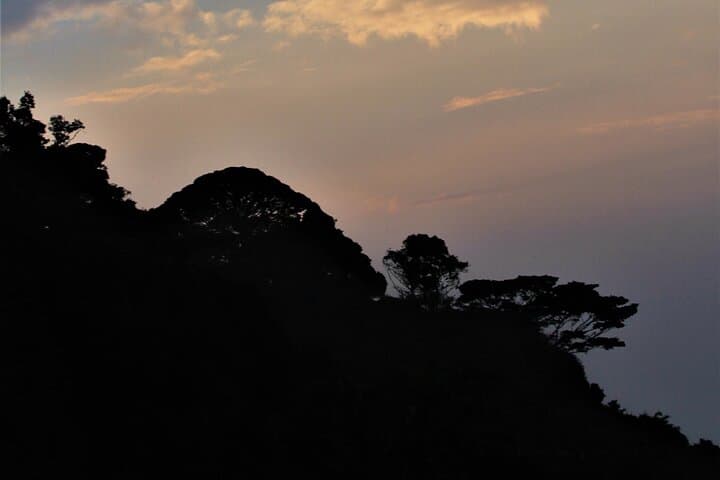
A wet dawn lifts off the hills as you cross from Kigali into the highlands that cradle Bwindi Impenetrable Forest. Tea terraces slide past the van window, then the road narrows and mist clings to moss-draped trees. By late afternoon you arrive at Rushaga lodge—distant drums and church bells marking the edge of the jungle—and the next morning you step under a green roof that feels older than memory.
Verified experiences and guided adventures in the surrounding area.
Operated by Rwanda Eco Company and Safaris · Rushaga, Kisoro District
A wet dawn lifts off the hills as you cross from Kigali into the highlands that cradle Bwindi Impenetrable Forest. Tea terraces slide past the van window, then the road narrows and mist clings to moss-draped trees. By late afternoon you arrive at Rushaga lodge—distant drums and church bells marking the edge of the jungle—and the next morning you step under a green roof that feels older than memory.
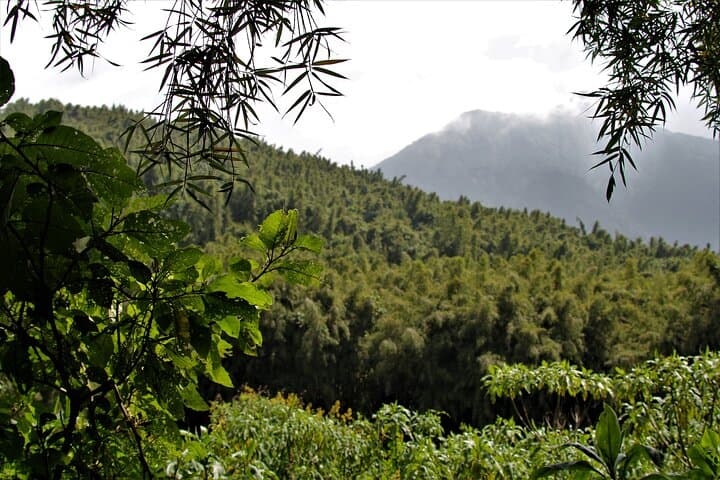
Bwindi’s rainforest sits on the western rift’s uplifted slopes, between roughly 1,200–2,600 m elevation, a place where soils and streams carve steep gullies and the forest keeps its own weather. The region is home to Batwa and Bakiga communities whose lives are tied to these hills; gorilla permits (listed here at USD 700) fund both conservation and community programs.
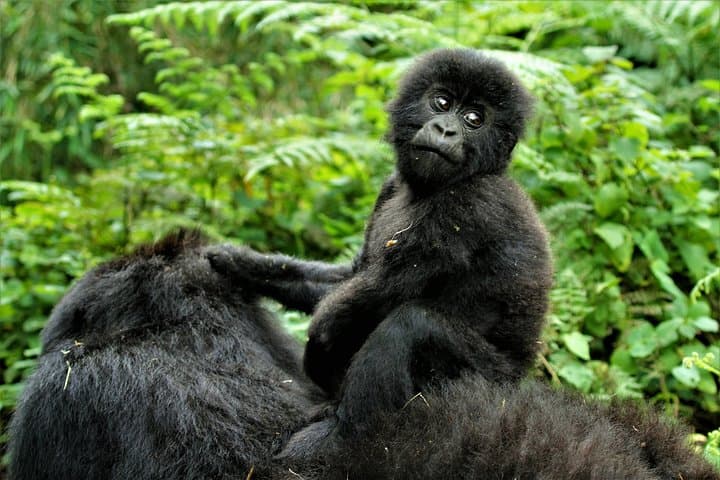
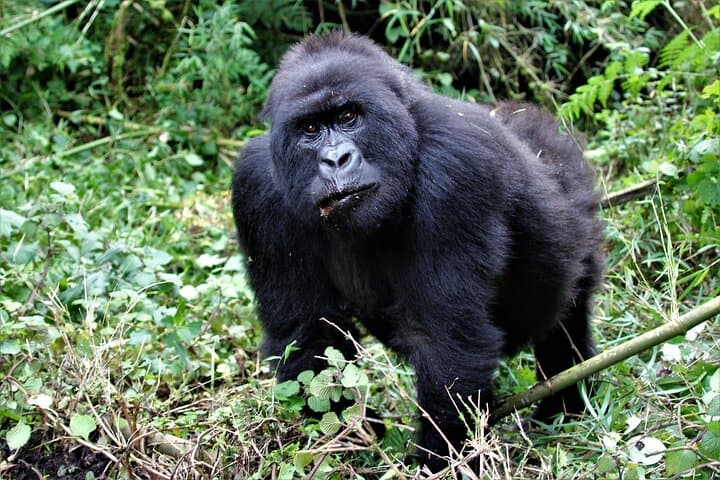
The trek itself is variable: a briefing at dawn, then anywhere from a steep 30-minute scramble to a full-day search across 2–8 km of muddy trails and root-strewn slopes. Mountain gorillas are shy but habituated—when you find a family, officials allow a single, silent hour to watch their interactions at a respectful distance.
Practical edge: expect mud, steep stairs of roots, and sudden weather shifts—layers and gaiters are necessary. Porters can speed your day if the going is heavy. Carry at least 2 liters of water, insect repellent, and be prepared for slow, quiet observation: patience is the currency here. Return travel to Kigali usually follows the same road; plan for 4–6 hours of driving and factor permit logistics into bookings.
challenging.
2 days (trek day 3–8 hours typical).
Moderate to good fitness—expect steep, uneven terrain and several hours of sustained hiking.
No—permits are listed separately at USD 700 per person and are required; confirm payment and permit issuance when booking.
Difficulty varies; treks can be short and steep or several hours across rugged ground—good cardiovascular fitness and sure-footedness are recommended.
Uganda Wildlife Authority rangers lead tracking; local porters are available (often for a small fee) to help carry gear or steady hikers on difficult sections.
Travelers should be up to date on routine immunizations, consider yellow fever and malaria prophylaxis, and avoid visiting if ill—rangers will deny access to protect gorilla health.
Bwindi is an ancient montane forest shaped by rift uplift and long-term climate stability; it became a protected area to conserve its endemic gorilla populations.
Gorilla permits fund Uganda Wildlife Authority and local community projects; visitors should follow strict health and distance rules to minimize human-to-ape disease transmission.
Rwanda Eco Company and Safaris operates guided outdoor trips and adventures with an emphasis on safety, stewardship, and memorable experiences.
A wet dawn lifts off the hills as you cross from Kigali into the highlands that cradle Bwindi Impenetrable Forest. Tea terraces slide past the van window, then the road narrows and mist clings to moss-draped trees. By late afternoon you arrive at Rushaga lodge—distant drums and church bells marking the edge of the jungle—and the next morning you step under a green roof that feels older than memory.
A wet dawn lifts off the hills as you cross from Kigali into the highlands that cradle Bwindi Impenetrable Forest. Tea terraces slide past the van window, then the road narrows and mist clings to moss-draped trees. By late afternoon you arrive at Rushaga lodge—distant drums and church bells marking the edge of the jungle—and the next morning you step under a green roof that feels older than memory.
Bwindi’s rainforest sits on the western rift’s uplifted slopes, between roughly 1,200–2,600 m elevation, a place where soils and streams carve steep gullies and the forest keeps its own weather. The region is home to Batwa and Bakiga communities whose lives are tied to these hills; gorilla permits (listed here at USD 700) fund both conservation and community programs.
The trek itself is variable: a briefing at dawn, then anywhere from a steep 30-minute scramble to a full-day search across 2–8 km of muddy trails and root-strewn slopes. Mountain gorillas are shy but habituated—when you find a family, officials allow a single, silent hour to watch their interactions at a respectful distance.
Practical edge: expect mud, steep stairs of roots, and sudden weather shifts—layers and gaiters are necessary. Porters can speed your day if the going is heavy. Carry at least 2 liters of water, insect repellent, and be prepared for slow, quiet observation: patience is the currency here. Return travel to Kigali usually follows the same road; plan for 4–6 hours of driving and factor permit logistics into bookings.