THE ADVENTURE COLLECTIVE® · Independent discovery and booking for outdoor travel

Spend two days tracking mountain gorillas in Bwindi Impenetrable National Park. This concise guide explains what to expect on the trek, terrain and logistics, and practical tips to prepare for a rewarding—and regulated—gorilla encounter.
Spend two days tracking mountain gorillas in Bwindi Impenetrable National Park. This concise guide explains what to expect on the trek, terrain and logistics, and practical tips to prepare for a rewarding—and regulated—gorilla encounter.
Early light slips through a thick, green ceiling as you step off the van and into Bwindi’s understory — moss-slick roots and ferns crowd the narrow trail, and somewhere ahead a distant branch snaps like a whispered warning.
Verified experiences and guided adventures in the surrounding area.
Operated by Peoples Choice Tours · Buhoma, Kanungu District
Early light slips through a thick, green ceiling as you step off the van and into Bwindi’s understory — moss-slick roots and ferns crowd the narrow trail, and somewhere ahead a distant branch snaps like a whispered warning.
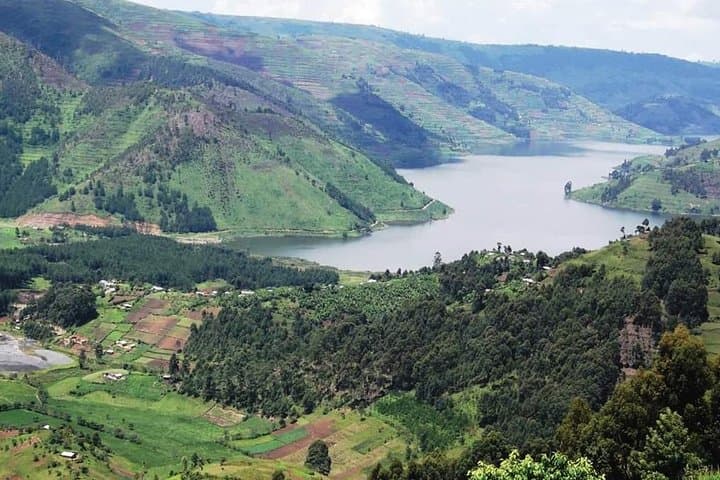
Bwindi Impenetrable National Park, carved into the Albertine Rift along Uganda’s southwestern highlands, is one of the last refuges of the mountain gorilla. The forest sits between roughly 1,160–2,600 m elevation; trails climb and drop through steep ridges and deep valleys carved by long-term tectonics and heavy rainfall. Human history here is tied to local Bakiga and Batwa communities; conservation and cultural tourism have reshaped livelihoods since Bwindi became a UNESCO World Heritage site in 1994.
On a two-day itinerary you’ll travel from Kampala or Entebbe, overnight near Buhoma, then spend the second day trekking for the gorilla permit window. Treks can last 2–8 hours (or more) depending on where groups are found; expect dense, muddy terrain and up to several hundred meters of elevation change on a single trek. Groups are limited and viewing time is strictly managed to minimize disease transmission — bring a mask if advised.
Practical notes: book permits well in advance, choose grippy waterproof boots and gaiters, and plan travel time (roads are slow; flights to Kisoro or Kihihi shorten the approach). Hydrate, pack layered rain protection, and prepare for physical, reward-rich hiking: the forest pushes back, and the gorillas make the effort unforgettable.
challenging.
6–8 hours (trekking day); 2 days total.
Good cardiovascular fitness and comfort on steep, uneven, sometimes muddy trails for several hours
Yes—an official gorilla permit is required for each person and groups are limited; permits should be purchased in advance through authorized channels.
Trek duration varies widely depending on gorilla locations—expect 2–8 hours of hiking on the trekking day, plus briefing and transfer time.
Age restrictions can apply and policies vary; check with the tour operator and Uganda Wildlife Authority for minimum age rules before booking.
Photography is permitted but flash is usually banned and distance rules (typically around 7 meters) must be observed to protect the gorillas.
Bwindi was declared a UNESCO World Heritage Site in 1994 to protect its globally significant population of mountain gorillas and unique Albertine Rift biodiversity.
Gorilla permits fund park protection and community programs; staying on trails and following guide instructions reduces disease and habitat disturbance.
Peoples Choice Tours operates guided outdoor trips and adventures with an emphasis on safety, stewardship, and memorable experiences.
Early light slips through a thick, green ceiling as you step off the van and into Bwindi’s understory — moss-slick roots and ferns crowd the narrow trail, and somewhere ahead a distant branch snaps like a whispered warning.
Early light slips through a thick, green ceiling as you step off the van and into Bwindi’s understory — moss-slick roots and ferns crowd the narrow trail, and somewhere ahead a distant branch snaps like a whispered warning.
Bwindi Impenetrable National Park, carved into the Albertine Rift along Uganda’s southwestern highlands, is one of the last refuges of the mountain gorilla. The forest sits between roughly 1,160–2,600 m elevation; trails climb and drop through steep ridges and deep valleys carved by long-term tectonics and heavy rainfall. Human history here is tied to local Bakiga and Batwa communities; conservation and cultural tourism have reshaped livelihoods since Bwindi became a UNESCO World Heritage site in 1994.
On a two-day itinerary you’ll travel from Kampala or Entebbe, overnight near Buhoma, then spend the second day trekking for the gorilla permit window. Treks can last 2–8 hours (or more) depending on where groups are found; expect dense, muddy terrain and up to several hundred meters of elevation change on a single trek. Groups are limited and viewing time is strictly managed to minimize disease transmission — bring a mask if advised.
Practical notes: book permits well in advance, choose grippy waterproof boots and gaiters, and plan travel time (roads are slow; flights to Kisoro or Kihihi shorten the approach). Hydrate, pack layered rain protection, and prepare for physical, reward-rich hiking: the forest pushes back, and the gorillas make the effort unforgettable.