THE ADVENTURE COLLECTIVE® · Independent discovery and booking for outdoor travel

A compact, two-day route from Kigali to Bwindi delivers high-impact mountain gorilla encounters and a Batwa cultural visit. This guide outlines what to expect—terrain, permits, packing and timing—to help you prepare for the trek.
A compact, two-day route from Kigali to Bwindi delivers high-impact mountain gorilla encounters and a Batwa cultural visit. This guide outlines what to expect—terrain, permits, packing and timing—to help you prepare for the trek.
Dawn splits the ridgelines south of Kisoro as the Land Cruiser eases toward the tangled green of Bwindi Impenetrable Forest. Damp air clings to the windows; mist lifts like a curtain and the forest seems to breathe, pushing you toward the promise of a face-to-face with mountain gorillas.
Verified experiences and guided adventures in the surrounding area.
Operated by Afri Safaris · Kisoro, Kisoro District
Dawn splits the ridgelines south of Kisoro as the Land Cruiser eases toward the tangled green of Bwindi Impenetrable Forest. Damp air clings to the windows; mist lifts like a curtain and the forest seems to breathe, pushing you toward the promise of a face-to-face with mountain gorillas.
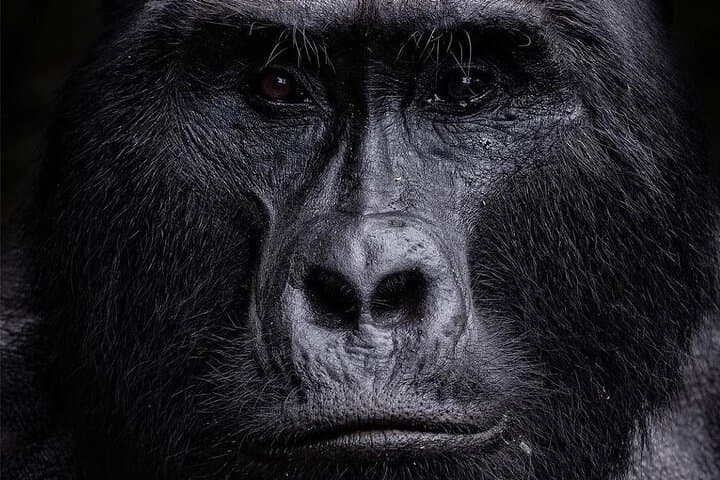
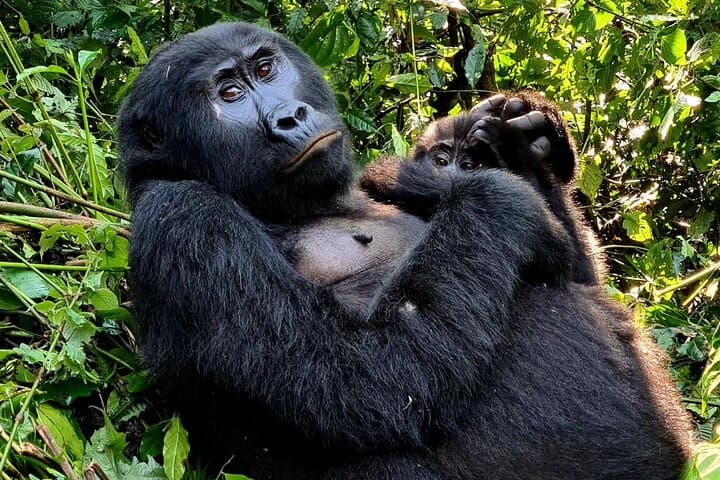
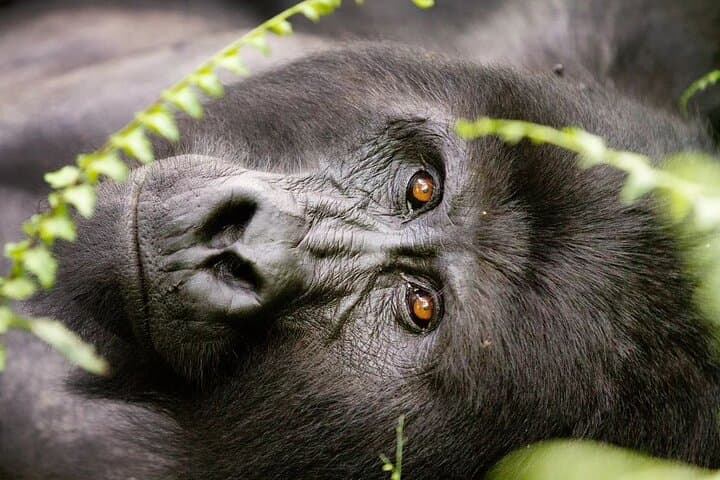
Bwindi sits on the edge of the Albertine Rift, a pocket of ancient rainforest at 1,160–2,607 m elevation. Geology here speaks in folded hills and volcanic outcrops; ecology answers with over 160 tree species and thick understory ferns that muffle footsteps. The area shelters roughly half the world’s mountain gorillas and was designated a UNESCO World Heritage Site for its exceptional biodiversity.
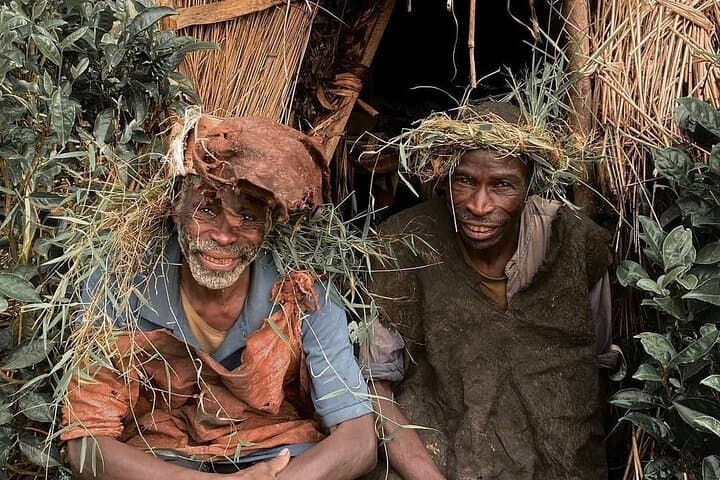
Culturally, the trip pairs wildlife with people: visits to a Batwa community introduce traditional forest skills, songs and storytelling—an intimate counterpoint to the slow, deliberate sociality of gorilla groups. Expect tracks, fresh dung, and the cautious drumbeat of ranger radios as guides triangulate family locations.
Practically: permits are mandatory and limited—book early. Treks vary from a short forest amble to steep, muddy climbs that test ankle strength and breath at higher elevation. Dress in waterproof layers, sturdy boots and gloves for thorny vines. Carry water, snacks, and a light daypack; keep camera gear minimal and quiet. Follow ranger instructions—viewing time is strictly one hour, and distance rules protect both gorillas and visitors.
Logistics: most itineraries run two days from Kigali, crossing at Cyanika and overnighting near Bwindi. Travel times are long; plan for bumpy roads and altitude change. With preparation, this short safari delivers concentrated, unforgettable contact with one of Africa’s most intelligent, emotionally complex species.
challenging.
2 days.
Participants should have good cardiovascular fitness and be able to handle uphill hiking on uneven, muddy terrain for several hours.
Yes—permits are mandatory, limited in number, and must be purchased in advance through Uganda Wildlife Authority or authorized operators.
Trek times vary from under an hour to several hours depending on gorilla locations; expect 2–6 hours of walking during the encounter day.
Children and older guests can participate if reasonably fit, but rangers assess fitness and may restrict access when terrain or gorilla behavior poses risks.
Yellow fever vaccination may be required for entry depending on travel history; standard vaccinations and malaria precautions are recommended—check with a travel clinic.
Bwindi is an ancient forest on the Albertine Rift and was designated a UNESCO World Heritage Site for its biodiversity, including a large portion of the global mountain gorilla population.
Gorilla tourism funds anti-poaching patrols and community programs; follow rules to minimize disease transmission and support local conservation initiatives.
Afri Safaris operates guided outdoor trips and adventures with an emphasis on safety, stewardship, and memorable experiences.
Dawn splits the ridgelines south of Kisoro as the Land Cruiser eases toward the tangled green of Bwindi Impenetrable Forest. Damp air clings to the windows; mist lifts like a curtain and the forest seems to breathe, pushing you toward the promise of a face-to-face with mountain gorillas.
Dawn splits the ridgelines south of Kisoro as the Land Cruiser eases toward the tangled green of Bwindi Impenetrable Forest. Damp air clings to the windows; mist lifts like a curtain and the forest seems to breathe, pushing you toward the promise of a face-to-face with mountain gorillas.
Bwindi sits on the edge of the Albertine Rift, a pocket of ancient rainforest at 1,160–2,607 m elevation. Geology here speaks in folded hills and volcanic outcrops; ecology answers with over 160 tree species and thick understory ferns that muffle footsteps. The area shelters roughly half the world’s mountain gorillas and was designated a UNESCO World Heritage Site for its exceptional biodiversity.
Culturally, the trip pairs wildlife with people: visits to a Batwa community introduce traditional forest skills, songs and storytelling—an intimate counterpoint to the slow, deliberate sociality of gorilla groups. Expect tracks, fresh dung, and the cautious drumbeat of ranger radios as guides triangulate family locations.
Practically: permits are mandatory and limited—book early. Treks vary from a short forest amble to steep, muddy climbs that test ankle strength and breath at higher elevation. Dress in waterproof layers, sturdy boots and gloves for thorny vines. Carry water, snacks, and a light daypack; keep camera gear minimal and quiet. Follow ranger instructions—viewing time is strictly one hour, and distance rules protect both gorillas and visitors.
Logistics: most itineraries run two days from Kigali, crossing at Cyanika and overnighting near Bwindi. Travel times are long; plan for bumpy roads and altitude change. With preparation, this short safari delivers concentrated, unforgettable contact with one of Africa’s most intelligent, emotionally complex species.