THE ADVENTURE COLLECTIVE® · Independent discovery and booking for outdoor travel

Two days of focused game viewing across iSimangaliso, Hluhluwe-iMfolozi and Manyoni — from hippo-lined estuaries to open plains and predator-rich reserves. Expect guided boat and vehicle game drives, an overnight in Hluhluwe, and close-up encounters with Africa’s iconic wildlife.
Two days of focused game viewing across iSimangaliso, Hluhluwe-iMfolozi and Manyoni — from hippo-lined estuaries to open plains and predator-rich reserves. Expect guided boat and vehicle game drives, an overnight in Hluhluwe, and close-up encounters with Africa’s iconic wildlife.
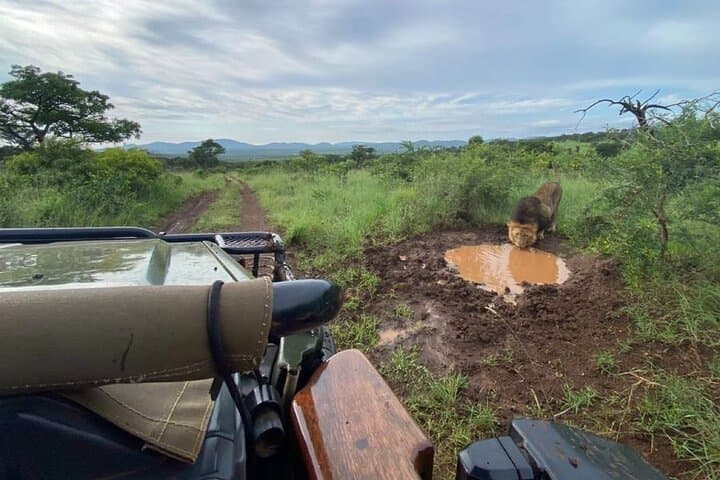
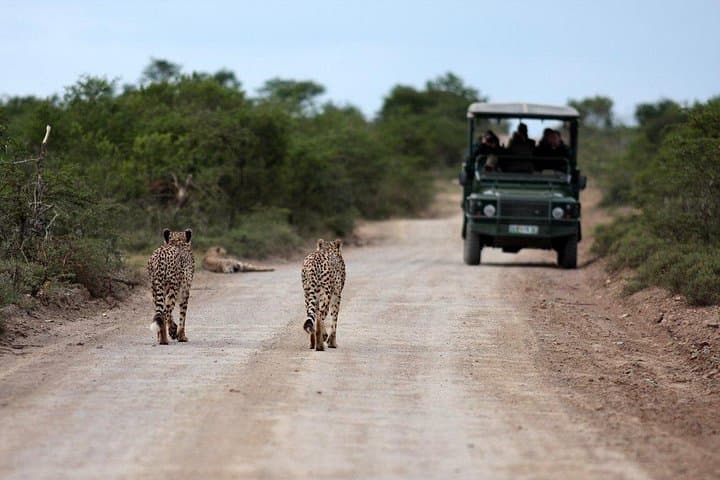
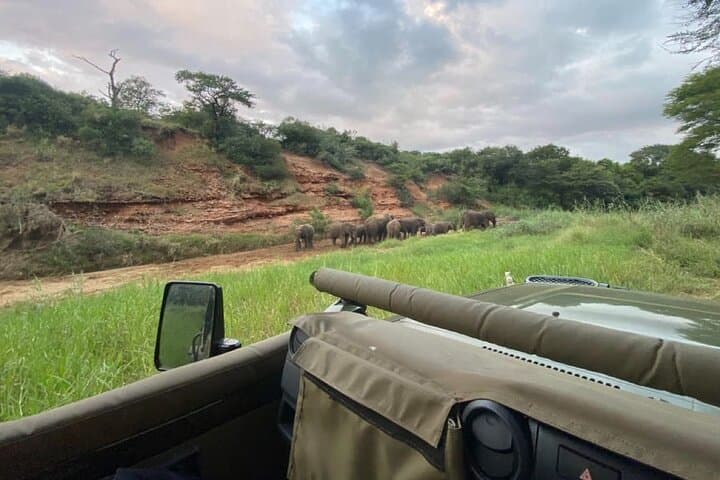
Morning light slices across the St Lucia estuary as a line of hippos punctuates the water — the boat slips forward and the river answers with a low snort. Over two days you'll move from the brackish channels of iSimangaliso to the open plains of iMfolozi and the wooded hills of Hluhluwe, finishing with the raw predator country of Manyoni in an open safari vehicle.
Verified experiences and guided adventures in the surrounding area.
Operated by Wild Routes Africa · Hluhluwe, KwaZulu-Natal
Morning light slices across the St Lucia estuary as a line of hippos punctuates the water — the boat slips forward and the river answers with a low snort. Over two days you'll move from the brackish channels of iSimangaliso to the open plains of iMfolozi and the wooded hills of Hluhluwe, finishing with the raw predator country of Manyoni in an open safari vehicle.
These reserves are part of Zululand’s conservation backbone: iMfolozi was central to the southern white rhino recovery program, while Hluhluwe-iMfolozi’s mosaic of grassland and acacia supports grazers and their hunters. Geology shifts from estuarine sandbanks to ancient Natal sandstone ridges and broad floodplains, shaping where game congregates and where birds nest. Local Zulu communities add cultural texture — markets in St Lucia and handcrafts around Hluhluwe give a glimpse of daily life beyond the reserve gates.
Practically, expect early departures, long but restful drives, and guided game-viewing from both closed and open vehicles. Guides read spoor and horizon lines; you’ll stop for a reserve breakfast and return to Durban by late morning on day two. Bring layered clothing for cool predawn starts, sun protection for midday, and binoculars for distant horned silhouettes.
This trip balances cinematic sightings with responsible tourism: stay in your vehicle during drives, follow ranger guidance, and support local eateries along McKenzie Street. For photographers and first-time safari-goers the rhythm — early light, mid-morning quiet, late-afternoon movement — makes spotting the Big Five a real possibility without strenuous hiking.
easy.
2 days.
Suitable for most fitness levels; ability to climb in/out of vehicles and tolerate long periods seated is required.
Sightings aren’t guaranteed, but visiting multiple reserves across different habitats increases the odds; white rhino and hippo are commonly seen on this route.
Meals (breakfast, lunch, dinner), bottled water, boat cruise and guided game drives are included; transfers and personal items are typically additional.
Age and booking questions are requested during reservation; younger children should be supervised and follow safety rules on vehicles.
Walking is minimal — most viewing occurs from boats and vehicles; short, guided walks are rare and announced in advance.
Hluhluwe-iMfolozi played a central role in the 20th-century southern white rhino conservation effort, helping rebuild global populations.
Reserves emphasize anti-poaching patrols and community-led initiatives; visitors should stay on roads, avoid feeding wildlife and support local businesses.
Wild Routes Africa operates guided outdoor trips and adventures with an emphasis on safety, stewardship, and memorable experiences.

Morning light slices across the St Lucia estuary as a line of hippos punctuates the water — the boat slips forward and the river answers with a low snort. Over two days you'll move from the brackish channels of iSimangaliso to the open plains of iMfolozi and the wooded hills of Hluhluwe, finishing with the raw predator country of Manyoni in an open safari vehicle.
Morning light slices across the St Lucia estuary as a line of hippos punctuates the water — the boat slips forward and the river answers with a low snort. Over two days you'll move from the brackish channels of iSimangaliso to the open plains of iMfolozi and the wooded hills of Hluhluwe, finishing with the raw predator country of Manyoni in an open safari vehicle.
These reserves are part of Zululand’s conservation backbone: iMfolozi was central to the southern white rhino recovery program, while Hluhluwe-iMfolozi’s mosaic of grassland and acacia supports grazers and their hunters. Geology shifts from estuarine sandbanks to ancient Natal sandstone ridges and broad floodplains, shaping where game congregates and where birds nest. Local Zulu communities add cultural texture — markets in St Lucia and handcrafts around Hluhluwe give a glimpse of daily life beyond the reserve gates.
Practically, expect early departures, long but restful drives, and guided game-viewing from both closed and open vehicles. Guides read spoor and horizon lines; you’ll stop for a reserve breakfast and return to Durban by late morning on day two. Bring layered clothing for cool predawn starts, sun protection for midday, and binoculars for distant horned silhouettes.
This trip balances cinematic sightings with responsible tourism: stay in your vehicle during drives, follow ranger guidance, and support local eateries along McKenzie Street. For photographers and first-time safari-goers the rhythm — early light, mid-morning quiet, late-afternoon movement — makes spotting the Big Five a real possibility without strenuous hiking.