THE ADVENTURE COLLECTIVE® · Independent discovery and booking for outdoor travel

Two days that pair Mutianyu’s visitor-friendly terraces with Jinshanling’s dramatic ridgewalk, plus the Ming Tombs. Expect coach transfers, guided hikes, cultural stops and two included lunches.
Two days that pair Mutianyu’s visitor-friendly terraces with Jinshanling’s dramatic ridgewalk, plus the Ming Tombs. Expect coach transfers, guided hikes, cultural stops and two included lunches.
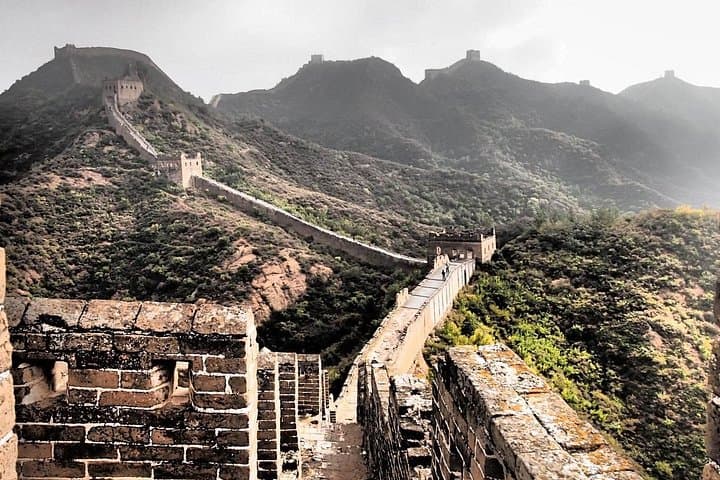
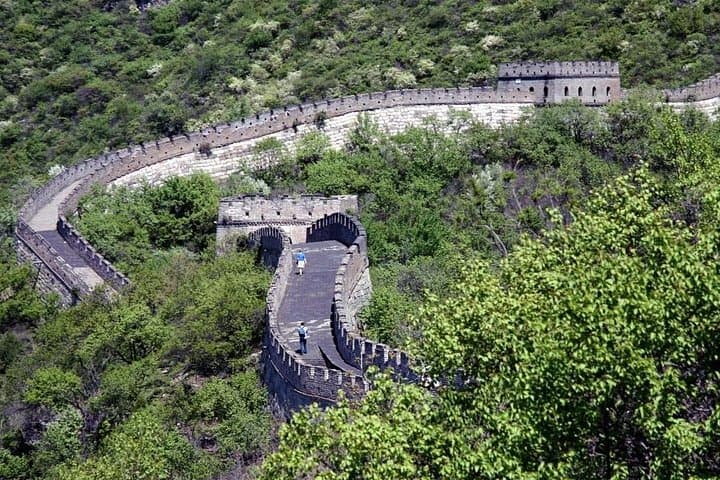
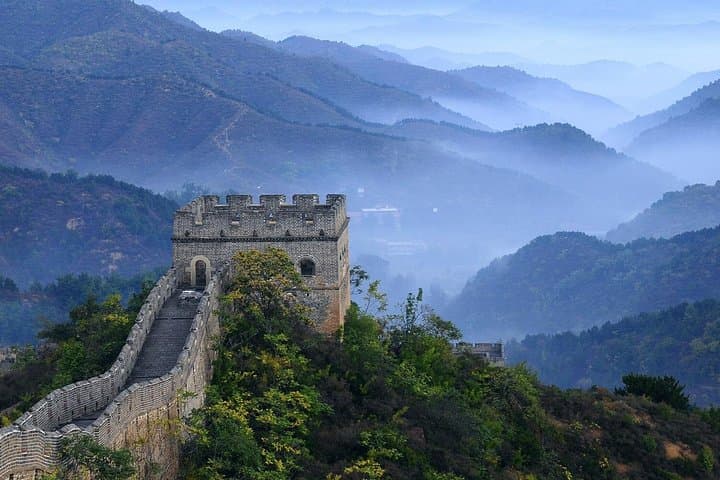
Morning light breaks over Beijing as a coach eases out of the second ring road and the city’s skyline thins to cornfields and low hills. By midmorning you’ll stand where stone skips along the spine of northern China — at Mutianyu the wall climbs in broad, repaired terraces; at Jinshanling another day delivers a quieter, more rugged parade of watchtowers across a serrated ridge.
Verified experiences and guided adventures in the surrounding area.
Operated by Private China Tours · Beijing, Beijing
Morning light breaks over Beijing as a coach eases out of the second ring road and the city’s skyline thins to cornfields and low hills. By midmorning you’ll stand where stone skips along the spine of northern China — at Mutianyu the wall climbs in broad, repaired terraces; at Jinshanling another day delivers a quieter, more rugged parade of watchtowers across a serrated ridge.
These two sections are primarily Ming-dynasty work (14th–17th centuries), designed as defensive lines of bricks, towers and crenellations carved into the landscape’s faults and ridgelines. Geologically the Great Wall follows resistant ridges and granite outcrops; steps can be steep and uneven where centuries of repair meet natural erosion. The Ming Tombs nearby mark imperial burial practices and the Sacred Way, lined with stone animals and statuary born from imperial ritual.
Expect cultural stops: a jade atelier and a short tea ceremony offer modern and traditional craft contrasts to the military architecture. The tour’s rhythm is practical — hotel pickup within Beijing’s 2nd ring road, air-conditioned coach, two lunches included, and a small-group hike (day two is about a 5 km, 3-hour hike along Jinshanling’s eastern section).
Plan for uneven footing, variable weather, and limited services on the wall. Bring sturdy shoes, water, sun protection and your passport (required for booking and travel). If you have spinal, cardiovascular, or pregnancy concerns this itinerary is not recommended. Travel light, move deliberately over the stones, and let the wall’s old stones challenge you while the views keep you honest.
moderate.
2 days.
Moderate fitness—able to hike 5 km on uneven stone with repeated stair sections and short climbs
Yes—hotel pickup is provided from selected hotels within Beijing’s 2nd ring road; pickup locations are confirmed at booking.
Entrance fees for the listed sites and two lunches (one per day) are included in the tour price as noted.
Yes; the Mutianyu cable car and chairlift are available locally for an additional fee if you prefer to avoid the climb.
No—uneven steps, staircases and sections with no railings make parts of the itinerary unsuitable for those with spinal or significant mobility limitations.
The Ming Tombs complex and both Mutianyu and Jinshanling sections were major Ming-era defensive projects; many watchtowers date to renovations from the 15th–16th centuries.
High visitor numbers stress fragile mortar and surrounding vegetation—stick to marked paths, avoid climbing on parapets, and pack out trash to support preservation efforts.
Private China Tours operates guided outdoor trips and adventures with an emphasis on safety, stewardship, and memorable experiences.

Morning light breaks over Beijing as a coach eases out of the second ring road and the city’s skyline thins to cornfields and low hills. By midmorning you’ll stand where stone skips along the spine of northern China — at Mutianyu the wall climbs in broad, repaired terraces; at Jinshanling another day delivers a quieter, more rugged parade of watchtowers across a serrated ridge.
Morning light breaks over Beijing as a coach eases out of the second ring road and the city’s skyline thins to cornfields and low hills. By midmorning you’ll stand where stone skips along the spine of northern China — at Mutianyu the wall climbs in broad, repaired terraces; at Jinshanling another day delivers a quieter, more rugged parade of watchtowers across a serrated ridge.
These two sections are primarily Ming-dynasty work (14th–17th centuries), designed as defensive lines of bricks, towers and crenellations carved into the landscape’s faults and ridgelines. Geologically the Great Wall follows resistant ridges and granite outcrops; steps can be steep and uneven where centuries of repair meet natural erosion. The Ming Tombs nearby mark imperial burial practices and the Sacred Way, lined with stone animals and statuary born from imperial ritual.
Expect cultural stops: a jade atelier and a short tea ceremony offer modern and traditional craft contrasts to the military architecture. The tour’s rhythm is practical — hotel pickup within Beijing’s 2nd ring road, air-conditioned coach, two lunches included, and a small-group hike (day two is about a 5 km, 3-hour hike along Jinshanling’s eastern section).
Plan for uneven footing, variable weather, and limited services on the wall. Bring sturdy shoes, water, sun protection and your passport (required for booking and travel). If you have spinal, cardiovascular, or pregnancy concerns this itinerary is not recommended. Travel light, move deliberately over the stones, and let the wall’s old stones challenge you while the views keep you honest.