THE ADVENTURE COLLECTIVE® · Independent discovery and booking for outdoor travel

See Bali’s central highlands and dramatic coastlines in a compact, privately guided two-day loop. From Ubud’s cultural heart to Kintamani’s volcanic caldera and sunset temples, this itinerary packs the island’s signature sights into an accessible short trip.
See Bali’s central highlands and dramatic coastlines in a compact, privately guided two-day loop. From Ubud’s cultural heart to Kintamani’s volcanic caldera and sunset temples, this itinerary packs the island’s signature sights into an accessible short trip.
You start before dawn on narrow lanes that unwind from Ubud’s market into green slopes, the air humid and the terraces sliding away like layered steps. By midmorning the road climbs to Kintamani and the crater of Mount Batur opens up—steam and lake glass spread beneath the rim, while the sea-side temples close the loop with waves battering black rock at Tanah Lot and a stony cliff at Uluwatu.
Verified experiences and guided adventures in the surrounding area.
Operated by Bali Sky Tour · Ubud, Bali
You start before dawn on narrow lanes that unwind from Ubud’s market into green slopes, the air humid and the terraces sliding away like layered steps. By midmorning the road climbs to Kintamani and the crater of Mount Batur opens up—steam and lake glass spread beneath the rim, while the sea-side temples close the loop with waves battering black rock at Tanah Lot and a stony cliff at Uluwatu.
This compact itinerary stitches together Bali’s cultural centers and coastal rituals: royal courts of Ubud, the holy springs of Tirta Empul used for purification, and the sea temples that anchor Balinese Hindu cosmology along the shore. Geologically, Kintamani sits on an active volcanic caldera that shaped the island’s lakes and soils; coastal temples perch where lava meets ocean, sculpted by centuries of surf.
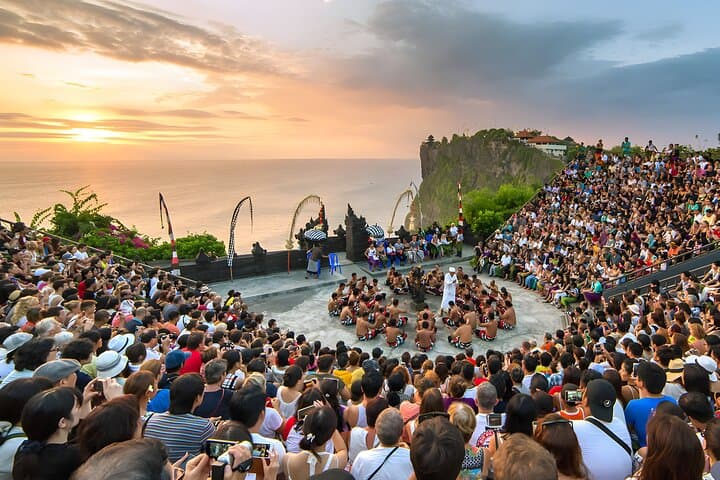
Expect close-up encounters with village life—monkeys at Padangtegal, rice terraces at Tegalalang, and evening Kecak dance performances that dramatize Ramayana episodes. The operator includes private transport, entrance fees, and three meals, so the day is paced around photo stops and short walks rather than long treks.
Practical guidance: wear sturdy sandals or light hikers for uneven steps and temple access; carry sun protection and a sarong for temple visits (some sites provide rentals but bring your own for speed). Hydrate—tropical days are deceptive—and keep small change for market purchases. Plan mornings for Kintamani and late afternoons for coastlines to catch the best light and quieter crowds. This two-day loop gives a concentrated, manageable portrait of Bali’s landscape, faith, and food without the logistics hassle.
moderate.
2 days (approx. 8–10 hours per day).
Suitable for travelers with average fitness who can handle short walks, stairs, and a few uphill sections.
Yes; a private air-conditioned car and English-speaking driver-guide are included with hotel pick-up and drop-off.
All listed entrance tickets are included; lunches and one dinner (seafood dinner in Jimbaran) are provided as specified.
Vegetarian options are available—advise the operator at booking to ensure meal arrangements.
The itinerary is suitable for most ages but not recommended for those with serious heart conditions; expect stairs and some uneven terrain at sites.
Ubud grew as a royal and artistic center under local rajas; temples and palaces reflect centuries of Balinese Hindu practice and localized royal patronage.
Carry out plastic waste and respect temple rules—overtourism and litter are pressures in popular sites, and local communities run conservation initiatives around forests and sacred springs.
Bali Sky Tour operates guided outdoor trips and adventures with an emphasis on safety, stewardship, and memorable experiences.
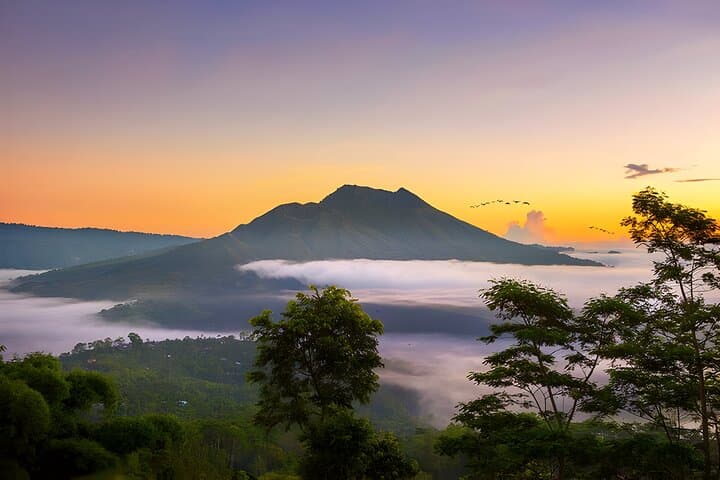
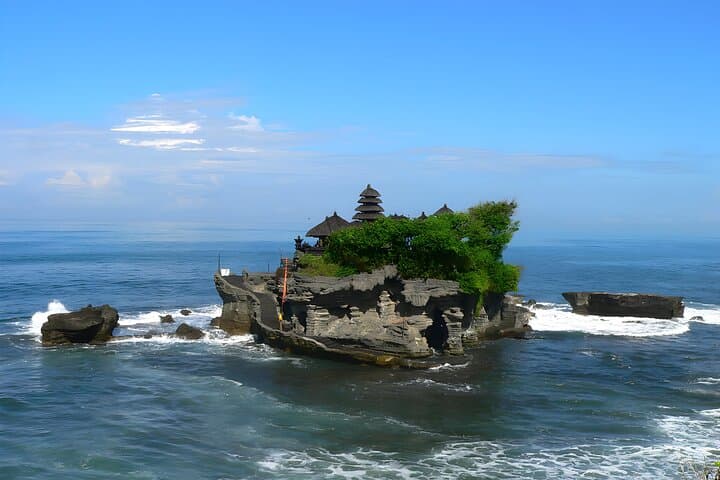
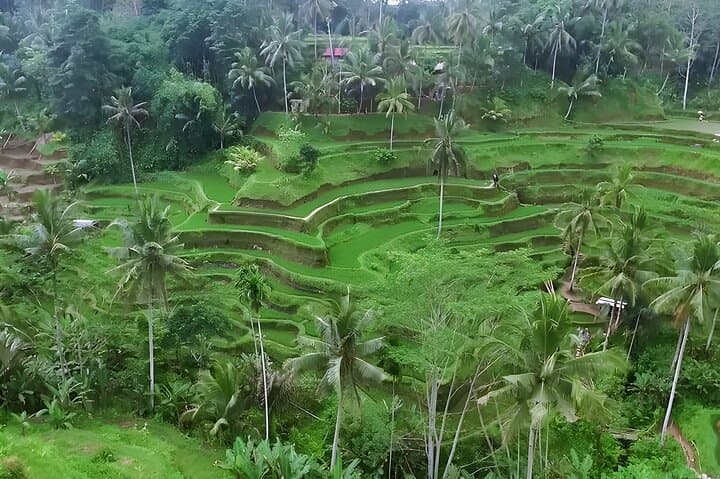
You start before dawn on narrow lanes that unwind from Ubud’s market into green slopes, the air humid and the terraces sliding away like layered steps. By midmorning the road climbs to Kintamani and the crater of Mount Batur opens up—steam and lake glass spread beneath the rim, while the sea-side temples close the loop with waves battering black rock at Tanah Lot and a stony cliff at Uluwatu.
You start before dawn on narrow lanes that unwind from Ubud’s market into green slopes, the air humid and the terraces sliding away like layered steps. By midmorning the road climbs to Kintamani and the crater of Mount Batur opens up—steam and lake glass spread beneath the rim, while the sea-side temples close the loop with waves battering black rock at Tanah Lot and a stony cliff at Uluwatu.
This compact itinerary stitches together Bali’s cultural centers and coastal rituals: royal courts of Ubud, the holy springs of Tirta Empul used for purification, and the sea temples that anchor Balinese Hindu cosmology along the shore. Geologically, Kintamani sits on an active volcanic caldera that shaped the island’s lakes and soils; coastal temples perch where lava meets ocean, sculpted by centuries of surf.
Expect close-up encounters with village life—monkeys at Padangtegal, rice terraces at Tegalalang, and evening Kecak dance performances that dramatize Ramayana episodes. The operator includes private transport, entrance fees, and three meals, so the day is paced around photo stops and short walks rather than long treks.
Practical guidance: wear sturdy sandals or light hikers for uneven steps and temple access; carry sun protection and a sarong for temple visits (some sites provide rentals but bring your own for speed). Hydrate—tropical days are deceptive—and keep small change for market purchases. Plan mornings for Kintamani and late afternoons for coastlines to catch the best light and quieter crowds. This two-day loop gives a concentrated, manageable portrait of Bali’s landscape, faith, and food without the logistics hassle.